

Growing almond trees in Houston, TX requires careful management of humidity and potential fungal issues. The region’s climate can pose challenges, but with the right practices, you can cultivate healthy trees and achieve a fruitful harvest.
Houston Climate Impact on Almond Cultivation
Houston’s climate is characterized by high humidity and warm temperatures, which can create an ideal environment for fungal diseases. Almond trees thrive in well-drained soil and require a specific balance of moisture. Understanding local weather patterns is crucial for effective cultivation.
Key factors to consider include:
Average rainfall
Humidity levels
Temperature fluctuations
These elements influence the health of your almond trees and their susceptibility to diseases.
Common Fungal Diseases in Almond Trees
Almond trees in Houston face unique challenges due to the region’s humidity, which can foster various fungal diseases. Understanding these common fungal threats is essential for maintaining healthy trees and ensuring a successful harvest. This section explores the most prevalent fungal diseases that affect almond trees in this climate, along with their symptoms and management strategies.
Fungal diseases can severely impact almond trees, leading to reduced yields and tree health. Recognizing symptoms early is essential for effective management. Common fungal issues include:
Brown Rot: Appears as brown lesions on fruit and can lead to premature dropping.
Powdery Mildew: White powdery spots on leaves indicate this fungal infection.
Root Rot: Caused by overwatering, it leads to wilting and yellowing leaves.
Fungal Symptoms and Suspected Causes
Understanding the fungal symptoms that can affect almond trees is crucial for successful cultivation in Houston’s humid climate. This section explores the various signs of fungal infections and identifies potential causes, helping growers recognize and address issues before they escalate. By being proactive, almond tree caretakers can ensure healthier trees and better yields.
| Symptom | Primary Suspect | Difficulty (1-5) |
|---|---|---|
| Brown Rot | Brown Rot Fungi | 3 |
| Powdery Mildew | Powdery Mildew | 2 |
| Root Rot | Soil Fungi | 4 |
Fungal Disease Prevention Strategies
In Houston’s humid climate, almond trees are particularly susceptible to fungal diseases that can hinder their growth and productivity. Implementing effective prevention strategies is crucial for maintaining the health of these trees. This section outlines practical measures to protect almond trees from fungal threats, ensuring a thriving orchard in the challenging conditions of Texas.
Preventive care is vital for protecting almond trees from fungal diseases. Implementing a routine can significantly reduce the risk of infection.
Select Resistant Varieties: Choose almond tree varieties known for their resistance to disease.
Improve Air Circulation: Space trees adequately to allow airflow, reducing humidity around the leaves.
Water Wisely: Water at the base of the tree to avoid wetting the foliage, which promotes fungal growth.
Recommended Products
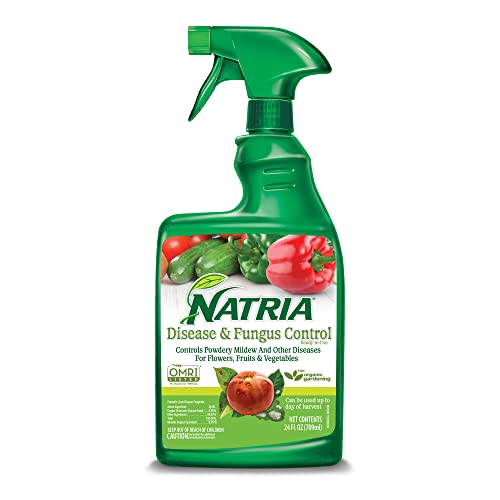
DISEASE CONTROL: Disease & Fungus Control controls powdery mildew, rust, black spot, fruit rot, downy mildew, late blight, and other listed diseases

Control diseases and insects in your garden with Captain Jack’s Fruit Tree Spray Concentrate! Use on a variety of listed fruits, nuts and citrus plants.

DISEASE CONTROL - Liqui-Cop is designed to prevent a wide variety of plant diseases including anthracnose, brown rot, blight, downy mildew, botrytis blight, leaf spot and many more.
Preventive Practices for Almond Tree Care
Maintaining the health of almond trees in Houston requires proactive measures, especially given the region’s humidity and susceptibility to fungal issues. Implementing preventive practices can significantly enhance tree resilience, ensuring robust growth and a fruitful harvest. This section outlines effective strategies to safeguard almond trees against common challenges in the local climate.
| Practice | Description | Frequency |
|---|---|---|
| Resistant Varieties | Choose varieties like ‘Carmel’ | Annual |
| Air Circulation | Space trees 10-15 feet apart | During planting |
| Watering Technique | Use drip irrigation or soaker hoses | Weekly during dry spells |
Humidity Control for Healthy Almond Trees
Managing humidity is crucial for the successful growth of almond trees in Houston, where the climate can pose unique challenges. High humidity levels can lead to fungal issues that threaten tree health and productivity. Understanding how to control moisture in the environment will help ensure robust almond trees and a fruitful harvest.
Humidity in Houston can lead to increased fungal activity. Managing moisture levels is essential for healthy almond trees.
Mulching: Apply organic mulch around the base to retain soil moisture while preventing excess humidity around the tree.
Soil Drainage: Ensure soil has good drainage to prevent waterlogging, which can lead to root rot.
Fungicide Application: Use fungicides as a preventive measure during high humidity periods.
Recommended Products
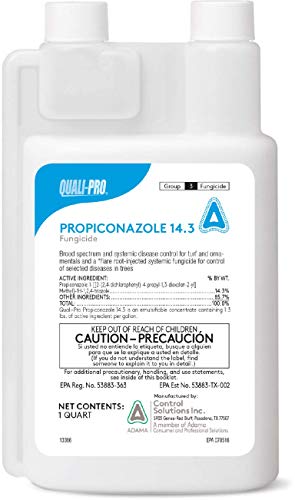
PROPICONIZOLE 14.3: provides economical, broad-spectrum disease control for cool and warm season grasses, trees, shrubs and flowers.

Propiconazole 14.3%

Excellent residual control
Humidity Control Strategies for Almond Trees
Managing humidity is crucial for the health of almond trees in Houston’s climate, where high moisture levels can lead to fungal issues. Implementing effective humidity control strategies can help ensure robust growth and minimize disease risks. This section explores practical approaches to maintain optimal humidity levels for thriving almond orchards in the region.
Mulch Type: Use wood chips or straw for effective moisture control.
Fungicide Options: Look for products containing chlorothalonil or propiconazole for effective treatment.
Soil Testing: Conduct soil tests annually to monitor drainage and nutrient levels.
Identifying Stress Symptoms in Almond Trees
Recognizing stress symptoms in almond trees is crucial for maintaining their health, especially in Houston’s humid climate. Factors such as excessive moisture and fungal infections can lead to various signs of distress. Understanding these symptoms will help growers take timely action to ensure optimal growth and productivity.
Stress in almond trees can manifest through various symptoms. Early recognition allows for timely intervention.
Leaf Discoloration: Yellowing leaves may indicate nutrient deficiencies or overwatering.
Wilting: A sign of root issues or inadequate watering.
Poor Fruit Set: Reduced fruit production can signal environmental stress.
Stress Symptoms in Almond Trees
Almond trees in Houston face unique challenges due to the region’s humidity and potential fungal issues. Understanding the stress symptoms these trees exhibit is crucial for effective care and maintenance. By recognizing these signs early, growers can take proactive steps to ensure the health and productivity of their almond orchards.
Ignoring symptoms of stress can lead to irreversible damage to almond trees.
Fungal Infection Treatment for Almonds
Fungal infections can pose significant challenges for almond trees, especially in the humid climate of Houston, TX. Understanding the specific types of fungi that affect almond trees and implementing effective treatment strategies is crucial for maintaining tree health and ensuring a fruitful harvest. This section delves into the best practices for managing and treating fungal infections in almond cultivation.
If fungal infections are detected, prompt treatment is essential.
Identify the Fungal Type: Use visual symptoms to determine the specific fungus affecting your trees.
Apply Appropriate Fungicides: Follow label instructions for dosage and frequency.
Remove Infected Material: Prune away affected branches and dispose of them properly to prevent spread.
Recommended Products

CLINICALLY PROVEN: Clinically proven to cure & prevent fungal infections; eliminates toe & foot fungus with the pinpoint applicator delivering the treatment around infected areas, stopping fungus from spreading

Kills fungus that can lead to nail & athlete's foot, clinically proven to cure and prevent fungal infections, pack of 1

CLINICALLY PROVEN: Clinically proven to cure and prevent fungal infections; eliminates toe & foot issues with extra strength medicine; dual-angled brush applies treatment around infected areas, stopping fungus from spreading
Fungal Management Strategies for Almond Trees
Managing fungal diseases is crucial for the health of almond trees, especially in humid climates like Houston, TX. The high moisture levels create an ideal environment for various fungi, which can threaten the vitality and yield of your trees. Implementing effective fungal management strategies can help ensure robust growth and a bountiful harvest.
Regular monitoring and proactive care are key to maintaining healthy almond trees in Houston’s humid climate. Implement these strategies to ensure your trees thrive and produce abundant fruit.
