

Grapefruit trees thrive in South Carolina’s warm climate, making them a viable option for local gardeners. Proper care and attention to soil, sunlight, and pest management are essential for successful growth. This guide outlines the necessary steps to cultivate healthy grapefruit trees in this region.
Grapefruit Tree Varieties for South Carolina
Choosing the right variety of grapefruit tree is crucial for successful cultivation in South Carolina. Popular varieties include the Ruby Red, known for its sweet flavor, and the Star Ruby, which has a vibrant color and rich taste. Each variety has specific growth requirements and pest resistance levels.
| Variety | Flavor Profile | Growth Habit | Pest Resistance |
|---|---|---|---|
| Ruby Red | Sweet | Compact | Moderate |
| Star Ruby | Rich | Spreading | High |
| Pink Grapefruit | Tangy | Upright | Moderate |
| Marsh Seedless | Mild | Compact | Low |
Optimal Soil Conditions for Grapefruit Trees
Grapefruit trees thrive in South Carolina’s warm climate, but achieving optimal growth requires careful attention to soil conditions. Understanding the specific soil types and amendments necessary for these trees will enhance their health and productivity, ensuring a fruitful harvest. This section delves into the ideal soil characteristics that support robust grapefruit tree development in the region.
Soil quality significantly impacts the health and yield of grapefruit trees. These trees prefer well-draining, sandy loam soil with a pH between 6.0 and 7.0. Conduct a soil test to determine nutrient levels and pH balance before planting.
Test Soil using a home kit or local extension service.
Amend Soil with organic matter like compost to improve drainage and nutrient content.
Ensure Drainage by creating raised beds if necessary to prevent root rot.
Optimal Sunlit Planting Sites
Selecting the right planting site is crucial for the success of grapefruit trees in South Carolina. These trees thrive in sunny locations that provide ample light, which is essential for their growth and fruit production. Understanding the optimal conditions will help ensure a bountiful harvest and healthy tree development.
Location plays a vital role in the growth of grapefruit trees. Choose a site that receives full sun for at least six hours daily. Avoid areas with heavy shade or cold winds, as these conditions can stunt growth.
Assess Sunlight exposure throughout the day.
Check Wind Protection from structures or larger plants.
Consider Proximity to water sources for easy irrigation.
Grapefruit Tree Watering Best Practices
Proper watering is crucial for the health and productivity of grapefruit trees in South Carolina’s unique climate. Understanding the best practices for irrigation can help ensure these trees thrive, producing juicy fruit while resisting disease. This section outlines essential watering techniques tailored to the needs of grapefruit trees in the southern environment.
Grapefruit trees require consistent moisture, especially during dry spells. However, overwatering can lead to root rot. Establishing a balanced watering schedule is essential.
Water deeply once a week during dry periods.
Reduce frequency during rainy seasons.
Use mulch around the base to retain soil moisture.
Recommended Products

GENTLE WATERING: Disperses water into a soft, even flow to protect delicate plants, seedlings, and soil from erosion and washout

1/2" Water-Saving & Durable Construction with Upgraded Formula: Our enhanced soaker hose blend delivers ultra-consistent water seepage while maximizing water savings, plus improved tensile strength, durability, and flexibility. It’s easy to handle, resistant to kinks, and built to stand up to long-term use in lawns, yards, landscaping, and tree watering applications.
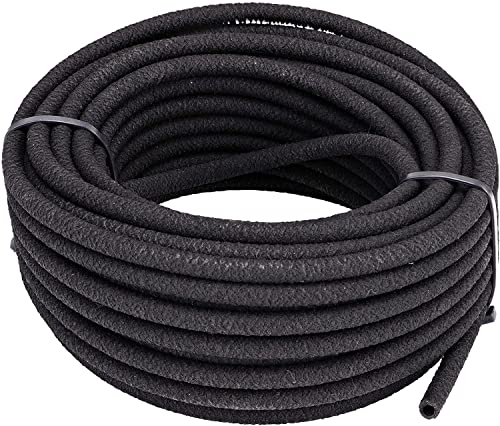
Slowly waters the soil around your plants for complete root zone hydration; Ideal for short runs on flat surfaces, such as vegetable gardens, borders, and around small plants
Pest and Disease Monitoring for Grapefruit Trees
Effective pest and disease monitoring is crucial for maintaining healthy grapefruit trees in South Carolina. Understanding the common threats and implementing proactive measures can significantly enhance the growth and productivity of these trees. This section outlines key strategies for identifying and managing potential issues to ensure a thriving grapefruit orchard.
Regular monitoring for pests and diseases is crucial for maintaining healthy grapefruit trees. Common pests include aphids and scale insects, while diseases like root rot can affect tree health.
Inspect Leaves and branches weekly for signs of infestation.
Apply Organic Pesticides as needed to control pests.
Ensure Proper Airflow around trees to prevent fungal diseases.
Citrus Fertilization Techniques for Grapefruit Trees
Proper fertilization is essential for the health and productivity of grapefruit trees in South Carolina. Understanding the specific nutrient needs and timing for application can significantly enhance growth and fruit quality. This section outlines effective fertilization techniques tailored to the unique climate and soil conditions of the region.
Fertilization supports healthy growth and fruit production. Use a balanced fertilizer specifically formulated for citrus trees, following the manufacturer’s instructions for application rates.
Apply Fertilizer in early spring before new growth begins.
Reapply every 6-8 weeks during the growing season.
Monitor Tree Health to adjust fertilization as needed.
Effective Pruning Techniques for Grapefruit Trees
Pruning grapefruit trees is essential for promoting healthy growth and maximizing fruit production in South Carolina’s unique climate. Understanding the right techniques not only enhances the tree’s structure but also improves air circulation and light penetration. This section outlines effective pruning methods tailored specifically for grapefruit trees, ensuring they thrive in southern conditions.
Pruning is essential for maintaining the shape and health of grapefruit trees. It encourages better air circulation and sunlight penetration, leading to improved fruit quality.
Remove Dead or Diseased Branches to prevent spread.
Thin Out Crowded Areas to improve airflow.
Shape Tree to promote a balanced structure.
Optimal Timing for Grapefruit Harvesting
Understanding the optimal timing for harvesting grapefruit is crucial for achieving the best flavor and quality. In South Carolina, the climate plays a significant role in determining when these citrus fruits reach their peak ripeness. This section will explore the key indicators and timing considerations for successfully harvesting grapefruit in this region.
Timing is critical for harvesting grapefruit to ensure optimal flavor and quality. Grapefruit typically ripens from late winter to early spring.
Check for color change; ripe grapefruit will have a vibrant hue.
Gently twist the fruit to see if it detaches easily.
Taste test a sample to confirm sweetness before harvesting the entire crop.
Frost Protection Strategies for Grapefruit Trees
Grapefruit trees thrive in South Carolina’s warm climate, but they can be vulnerable to frost damage during colder months. Implementing effective frost protection strategies is crucial for safeguarding these trees and ensuring a healthy harvest. This section will explore practical methods to shield grapefruit trees from frost and promote their resilience in varying temperatures.
Frost can damage grapefruit trees, especially in early spring. Implement protective measures to safeguard your trees during cold snaps.
Cover Trees with frost cloths during predicted frost events.
Use Mulch around the base to insulate roots.
Consider Planting in sheltered areas to reduce exposure.
Recommended Products

Extra Thick Tree and Plant Covers for Winter: Scrubits Frost Blankets for outdoor plants and Trees will ensure that your Trees and large plants not only survive the winter but thrive and grow to blossom. With its extra thick fabric and long-lasting material, you can be confident about next year's harvest.

[Breathable & Protective Fabric] Made of soft, 1.77oz/yd² thickened non-woven material, these plant covers allow air and sunlight to reach plants while providing reliable freeze protection. Perfect for Outdoor Plants Shrub Potted Plants

ALL-SEASON PLANT PROTECTION - Safeguard your plants through the harsh winters with our breathable Plant Frost Cover, designed to shield against frost, freezing temperatures, snow, and harsh winds. Extend your growing season into the colder months while ensuring your plants thrive year-round.
Essential Tools for Grapefruit Tree Maintenance
Maintaining grapefruit trees in South Carolina requires specific tools to ensure their health and productivity. From pruning shears to soil testers, having the right equipment can make a significant difference in your gardening success. This section outlines the essential tools needed for effective grapefruit tree care in the region.
Having the right tools and supplies on hand simplifies the care process. Here’s a checklist of essential items for maintaining grapefruit trees.
| Item | Purpose |
|---|---|
| Soil Test Kit | Assess soil quality |
| Organic Fertilizer | Promote healthy growth |
| Pruning Shears | Shape and maintain trees |
| Mulch | Retain soil moisture |
| Frost Cloth | Protect from cold temperatures |
Regular attention to these aspects will ensure your grapefruit trees thrive in South Carolina’s climate. Follow these guidelines to enjoy a fruitful harvest.
