

Growing quince trees in pots in Iowa is feasible with the right techniques. To avoid common mistakes, focus on selecting the right pot, ensuring proper drainage, and providing suitable soil and light conditions.
Choosing the Ideal Pot Size for Quince Trees
Choosing an appropriate pot is crucial for the health of your quince tree. A pot that is too small restricts root growth, while one that is too large may retain excess moisture. Aim for a pot that is at least 18-24 inches in diameter and has drainage holes.
Material: Use ceramic or terra cotta for breathability.
Size: Ensure a minimum depth of 18 inches.
Drainage: Look for pots with multiple holes.
Recommended Products
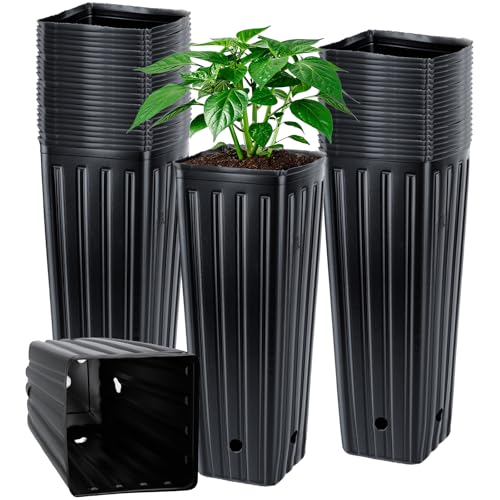
Easy Transplantation: The tall design of ENPOINT planting pots helps conserve seeds, resists breakage during shipping, and simplifies the transplanting process. This promotes a higher seedling survival rate and reduces water consumption.

DURABLE & LIGHTWEIGHT: Designed for versatile use, these plastic planters for indoor plants are perfect for cultivating flowers, herbs, and vegetables. Their lightweight design makes them easy to move and handle, whether indoors or outdoors.

DURABLE & LIGHTWEIGHT: Designed for versatile use, these plastic planters for indoor plants are perfect for cultivating flowers, herbs, and vegetables. Their lightweight design makes them easy to move and handle, whether indoors or outdoors.
Optimal Soil Mix for Quince Trees
Choosing the right soil mix is crucial for the successful growth of quince trees in pots, especially in Iowa’s unique climate. The optimal soil blend not only supports healthy root development but also ensures proper drainage and nutrient availability. Understanding the specific requirements of quince trees will help you avoid common pitfalls and promote vigorous growth.
The right soil mix is essential for thriving quince trees. A well-draining soil helps prevent root rot while providing necessary nutrients.
Components: Combine potting soil, perlite, and compost.
pH Level: Aim for a pH between 6.0 and 7.0.
Fertilization: Use a balanced fertilizer during the growing season.
| Soil Component | Purpose |
|---|---|
| Potting Soil | Base nutrient source |
| Perlite | Improves drainage |
| Compost | Adds organic matter |
Optimal Watering Strategies for Potted Quince Trees
Proper watering is crucial for the health of potted quince trees, especially in Iowa’s variable climate. Understanding the specific moisture needs of these trees can prevent common issues such as root rot or dehydration. This section outlines effective watering strategies tailored to ensure your quince trees thrive in their containers.
Watering is a critical aspect of growing quince trees in pots. Overwatering can lead to root rot, while underwatering can stress the plant.
Frequency: Water when the top inch of soil feels dry.
Amount: Ensure water drains from the bottom.
Seasonal Adjustments: Increase watering frequency during hot months.
Recommended Products
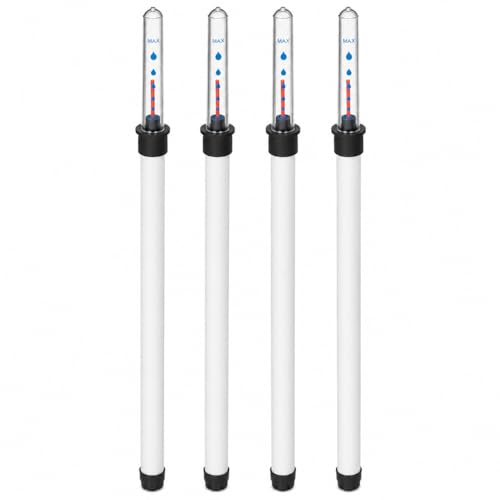
Water Level Gauge for Plants - This 4PCS set gives potted plants a clear visual watering reminder, helping you check planter moisture status more easily during daily care. Use these plant water indicator sticks indoor pots, balcony containers, office planters and home garden displays where quick water reading matters

✔️Accurate & Easy To Use✔️A helpful tool of water meter for indoor plants which senses the moisture in the soil around plants. No more guess if the plant needs more or less water. Just stick the soil water meter into the soil and read the meter, all you need is a paper towel or rag to wipe off the probe after using it.
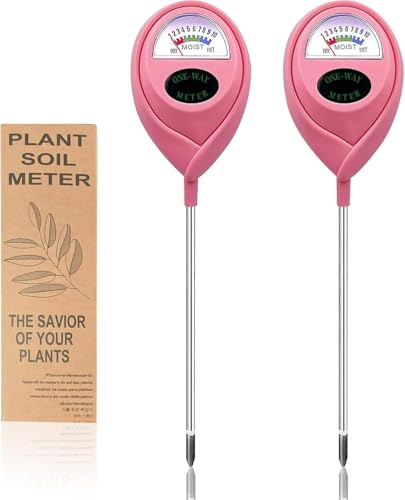
【Immediate Moisture Reading】Plant moisture meter no battery required, just insert the probe tip into soil to the plant root level for several minutes, you can get the test result from the indicator pointer immediately and help your plants grow healthy. Our plant water meter adopts the upgraded high quality sensing probe, which makes the quality more stable and durable and brings you more accurate test results .
Quince Tree Light Needs for Healthy Growth
Understanding the light requirements of quince trees is crucial for successful growth, especially when cultivating them in pots in Iowa. Proper exposure to sunlight not only promotes healthy foliage but also enhances fruit production. This section will delve into the specific light needs of quince trees to help you avoid common pitfalls.
Quince trees thrive in full sun but can adapt to partial shade. Understanding their light needs will help ensure healthy growth.
Ideal Exposure: Aim for at least 6-8 hours of sunlight daily.
Indoor Considerations: Rotate the pot to ensure even light distribution.
Outdoor Placement: Choose a location that avoids strong winds.
Common Mistakes to Avoid
Growing quince trees in pots can be a rewarding endeavor, especially in Iowa’s unique climate. However, newcomers often encounter pitfalls that can hinder their success. Understanding these common mistakes is essential for ensuring healthy growth and fruitful yields.
Understanding common pitfalls can save time and resources when growing quince trees.
Neglecting Drainage: Always ensure pots have adequate drainage.
Ignoring Pest Issues: Regularly inspect leaves for signs of pests.
Forgetting Pruning: Prune in late winter to encourage new growth.
Seasonal Strategies for Potted Quince Care
Caring for potted quince trees in Iowa requires a keen understanding of seasonal changes. Each season presents unique challenges and opportunities that can significantly impact the health and productivity of your tree. By implementing targeted strategies tailored to the specific needs of quince trees throughout the year, you can avoid common pitfalls and ensure a thriving plant.
Seasonal care is vital for the longevity of your quince trees. Each season brings unique challenges and opportunities for growth.
Spring: Fertilize and check for pests.
Summer: Monitor water levels and provide shade during heatwaves.
Fall: Prepare for winter by reducing watering and mulching.
| Season | Key Tasks |
|---|---|
| Spring | Fertilize and pest control |
| Summer | Water management and shade |
| Fall | Reduce watering and mulch |
Common Mistakes in Quince Tree Cultivation
Growing quince trees in pots can be rewarding, but many gardeners in Iowa encounter pitfalls that hinder their success. Understanding these common mistakes is essential for ensuring healthy growth and fruitful yields. By addressing these issues, you can cultivate thriving quince trees that flourish in your container garden.
Growing quince trees in pots in Iowa requires attention to detail and proper care. Monitor soil moisture, provide adequate light, and select the right pot to ensure success. Avoid common mistakes to enjoy a fruitful harvest.
