

Quince trees can thrive in pots in Indiana, provided the right conditions are met. Choosing the appropriate variety, ensuring proper pot size, and implementing suitable care practices are essential for successful growth.
Choosing Quince Varieties for Container Growth
Choosing the right variety of quince tree is crucial for container growth in Indiana’s climate. Some varieties are more adaptable to pot culture and can handle the state’s temperature fluctuations. Look for varieties like Smyrna or Pineapple, which are known for their compact growth habits and fruit quality.
Recommended Products
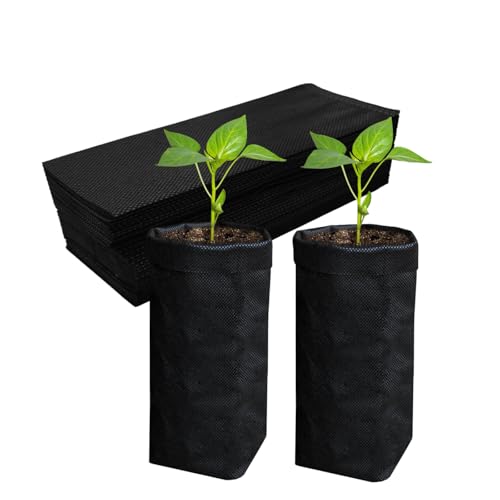
【Planting Bags Material】Made of thick non-woven fabric, sturdy and lightweight, it can be directly planted on the ground and in gardens.

Well-Rooted Starter Plant: Well-rooted cutting in a 4" pot, this tree is ready for planting in your garden or container.
Optimal Container Dimensions for Quince Trees
When growing quince trees in pots, selecting the right container dimensions is crucial for their health and productivity. The size and shape of the pot can significantly influence root development and overall growth, especially in Indiana’s unique climate. Understanding these optimal dimensions will help ensure your quince trees thrive in a container environment.
The pot size significantly impacts the health and growth of your quince tree. A container that is too small can restrict root development, while one that is too large may retain excessive moisture.
| Pot Size | Recommended Diameter | Growth Stage |
|---|---|---|
| Small | 12-14 inches | Young trees |
| Medium | 16-20 inches | Established trees |
| Large | 24-30 inches | Mature trees |
Aim for a pot that allows for at least 12 inches of soil depth. This depth provides adequate space for roots to expand and access nutrients.
Ideal Potting Mix for Quince Trees
When cultivating quince trees in pots, selecting the right potting mix is crucial for their growth and health. The ideal blend should provide excellent drainage, adequate nutrients, and a balanced pH to support these unique fruit trees. Understanding the specific requirements of quince trees will help ensure a thriving container garden in Indiana’s climate.
Using the right soil mix is essential for container-grown quince trees. A well-draining potting mix will prevent root rot and promote healthy growth.
Recommended Products

INDOOR GROWING: Growing indoors is easy under the right conditions; Miracle-Gro Houseplant Potting Mix is an indoor plant potting soil that combines key elements container plants need to thrive

STARTING A TROPICAL GARDEN- Comprised of real horticultural grade ingredients such as shredded coir husk, pine bark, perlite, sand, and garden lime; no pelletized fertilizer
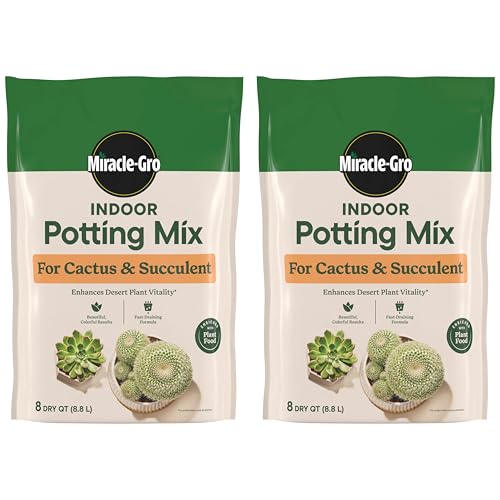
Miracle-Gro Indoor Potting Mix for Cactus and Succulent is enriched with Miracle-Gro Plant Food and enhances desert plant vitality (vs unfed plants when used as directed)
Ideal Soil Mix for Quince Trees
Quince trees thrive best in well-draining soil that provides essential nutrients for healthy growth. In Indiana, selecting the right soil mix is crucial for container gardening, as it influences moisture retention and root development. This section will detail the optimal soil components to ensure your quince trees flourish in pots.
Peat moss: Retains moisture while allowing drainage.
Perlite: Enhances aeration and prevents compaction.
Compost: Provides essential nutrients.
Mix these components in equal parts for optimal results. Ensure that the pot has drainage holes to allow excess water to escape.
Pot Watering and Fertilization Techniques
Successfully growing quince trees in pots in Indiana requires careful attention to watering and fertilization. These techniques are crucial for ensuring your tree thrives in a container environment, where nutrient and moisture levels can fluctuate more than in traditional garden beds. Understanding the specific needs of quince trees will help you cultivate healthy, productive plants.
Proper watering and fertilization are critical for the health of your quince tree in a pot. Overwatering can lead to root rot, while underwatering can stress the plant.
Recommended Products
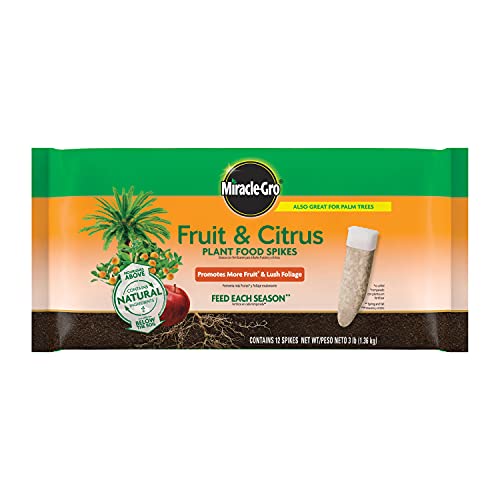
FORMULATED FOR CITRUS AND FRUIT TREES: Use these citrus fertilizer spikes on apple, orange, lemon, lime, and avocado trees; this formula is also great for feeding palm trees

Contains natural ingredients to feed microbes in the soil

Formulated for All Types of Trees & Shrubs: The 8-8-8 formula -- 8% Nitrogen for vigorous plant growth and rich colors; 8% Phosphorus for healthy fruiting and flowering; and 8% Potassium for strong roots -- in these fertilizer plant food spikes provides ideal general nutrition levels for all types of deciduous, coniferous, decorative, flowering, and fruiting trees and shrubs.
Pot Watering Techniques for Quince Trees
Growing quince trees in pots can be a rewarding endeavor, especially in Indiana’s unique climate. Proper watering techniques are essential to ensure these trees thrive in containers, as they require a balance of moisture and drainage. This section explores effective methods for watering quince trees in pots to promote healthy growth and fruit production.
Water when the top inch of soil feels dry.
Ensure water drains out of the bottom of the pot.
Reduce watering frequency during winter months.
Pot Fertilization Timing for Quince Trees
Proper fertilization is crucial for the health and growth of quince trees, especially when grown in pots. Understanding the timing and type of fertilizer to use can significantly impact their development in Indiana’s climate. This section will provide essential insights into when and how to fertilize quince trees in containers for optimal results.
Use a balanced, slow-release fertilizer in early spring.
Apply a second round of fertilizer in mid-summer.
Follow the manufacturer’s instructions for dosage.
Indiana Quince Tree Weather Protection Strategies
Growing quince trees in pots can be a rewarding endeavor in Indiana, but the state’s variable weather poses unique challenges. Understanding effective weather protection strategies is crucial for ensuring these trees thrive throughout the seasons. This section explores practical methods to shield potted quince trees from Indiana’s harsh conditions.
Indiana’s weather can be unpredictable, with cold winters and hot summers. Protecting your quince tree from extreme conditions is vital for its survival.
Pot Winterization Techniques for Quince Trees
Successfully growing quince trees in pots requires careful attention to winterization techniques, especially in Indiana’s fluctuating climate. Proper preparation can protect your trees from harsh winter conditions, ensuring they thrive year after year. This section outlines essential strategies for keeping your potted quince trees safe and healthy during the colder months.
Move pots to a sheltered location during winter.
Use burlap or frost cloth to cover the tree.
Consider wrapping the pot with insulating material to prevent root freeze.
Pot Care for Indiana Quince Trees
Caring for quince trees in pots requires specific attention, especially in Indiana’s unique climate. Proper pot care ensures these trees thrive, balancing their need for space, nutrients, and moisture while adapting to changing weather conditions. Understanding these essentials will help gardeners successfully cultivate quince trees in containers, maximizing their growth potential and fruit production.
Ensure pots are not in direct sunlight for extended periods.
Water more frequently during hot spells to maintain soil moisture.
Pests and Diseases Affecting Quince Trees
Quince trees, while resilient, can face various pests and diseases that threaten their health and fruit production. Understanding these challenges is crucial for gardeners in Indiana who wish to cultivate quince trees in pots. This section delves into the common issues that may arise and offers insights on how to effectively manage them.
Container-grown quince trees can be susceptible to pests and diseases. Regular monitoring is essential to catch issues early.
Pests Affecting Quince Trees in Pots
When growing quince trees in pots, especially in Indiana’s unique climate, it’s crucial to be aware of potential pests that can threaten their health. Understanding these pests and how to manage them will help ensure your potted quince trees thrive and produce fruit successfully. This section delves into the common pests you might encounter and effective strategies for control.
Aphids: Small insects that suck sap from leaves.
Spider mites: Tiny pests that cause leaf discoloration.
Pot Quince Tree Disease Prevention Tips
Growing quince trees in pots can be rewarding, but it also comes with its challenges, particularly regarding disease management. Understanding how to prevent common ailments is crucial for ensuring the health and productivity of your potted quince tree in Indiana’s unique climate. Here are essential tips to keep your tree thriving and disease-free.
Maintain good air circulation around the tree.
Avoid overhead watering to minimize fungal diseases.
Use organic pesticides if infestations occur.
Best Practices for Potting Quince Trees
Growing quince trees in pots in Indiana is feasible with the right care and conditions. Select the appropriate variety, ensure proper pot size, and monitor watering and fertilization closely. Regularly check for pests and diseases to maintain a healthy plant.
