

Growing fig trees in Irving, TX, requires attention to soil, climate, and care practices. By selecting the right varieties and implementing proper techniques, you can cultivate healthy, productive trees that thrive in Dallas County.
Best Fig Tree Varieties for Dallas County
When selecting fig tree varieties for Dallas County, it’s essential to consider local climate conditions and soil types. Certain varieties thrive in the heat and humidity characteristic of Irving, making them ideal choices for successful cultivation. This section explores the best fig tree options that will flourish in the region, ensuring a fruitful harvest.
Choosing the right fig tree varieties is crucial for successful growth in Irving. The climate in Dallas County is characterized by hot summers and mild winters, making it suitable for specific types of figs. Common varieties include:
Brown Turkey: Known for its adaptability and sweet flavor.
Celeste: Produces small, sweet figs and is resistant to cold.
Kadota: A green fig that is excellent for drying.
These varieties are well-suited for the local climate and can yield fruit in the right conditions.
Soil Preparation for Healthy Fig Trees
To cultivate thriving fig trees in Irving, TX, proper soil preparation is essential. The right soil conditions not only support healthy growth but also enhance fruit production. This section will guide you through the necessary steps to ensure your fig trees have the ideal foundation for success in Dallas County’s unique climate.
Soil preparation is essential for fig tree health. Figs prefer well-draining soil with a pH between 6.0 and 6.8. Follow these steps to prepare your soil:
Test the Soil: Use a soil test kit to determine pH and nutrient levels.
Amend the Soil: Add organic matter like compost to improve drainage and fertility.
Tillage: Turn the soil to a depth of at least 12 inches to aerate and mix amendments.
Proper soil preparation sets the foundation for strong root development and overall tree vigor.
Fig Tree Planting Techniques for Success
Growing fig trees in Irving, TX, requires specific planting techniques to ensure their success in the local climate. Understanding the right soil conditions, spacing, and watering practices can significantly impact the health and productivity of your trees. This section will provide essential tips for effectively planting fig trees in Dallas County.
Planting fig trees correctly ensures their long-term success. Follow these steps for effective planting:
Choose the Right Location: Select a sunny spot with at least 6-8 hours of sunlight daily.
Dig the Hole: Make a hole twice as wide and as deep as the root ball.
Position the Tree: Place the tree in the center of the hole and backfill with soil.
Water Thoroughly: After planting, water the tree deeply to eliminate air pockets.
Proper planting techniques help establish a strong root system.
| Step | Action | Detail |
|---|---|---|
| 1 | Choose Location | Sunny area with good air circulation |
| 2 | Dig Hole | Twice the width of the root ball |
| 3 | Position Tree | Center in the hole |
| 4 | Water | Deeply after planting |
Watering Strategies for Fig Trees
Proper watering is crucial for the health and productivity of fig trees, especially in the unique climate of Irving, TX. Understanding the specific needs of these trees can help ensure they thrive, producing abundant fruit while resisting common diseases. This section outlines effective watering strategies tailored to the conditions in Dallas County.
Watering fig trees correctly is vital, especially during dry spells. Figs require consistent moisture but do not tolerate standing water. Follow these guidelines:
Frequency: Water once a week during dry periods.
Amount: Provide 1-2 inches of water per week.
Method: Use a soaker hose or drip irrigation to target the root zone.
Monitor soil moisture to avoid over or under-watering.
Fertilization Techniques for Fig Trees
Fertilizing fig trees is crucial for their growth and fruit production, especially in the unique climate of Irving, TX. Understanding the right techniques and timing can significantly enhance the health of your trees, ensuring they thrive in Dallas County’s conditions. Here are effective fertilization strategies tailored for successful fig cultivation in this region.
Fertilizing fig trees helps promote healthy growth and fruit production. Use a balanced fertilizer formulated for fruit trees. Here’s how to fertilize effectively:
Timing: Fertilize in early spring before new growth begins.
Application: Follow the manufacturer’s instructions for dosage.
Water After Fertilizing: Ensure nutrients reach the roots by watering after application.
Regular fertilization supports vigorous growth and enhances fruit quality.
Pest and Disease Management for Fig Trees
Managing pests and diseases is crucial for the health and productivity of fig trees, especially in the unique climate of Irving, TX. Understanding common threats and implementing effective strategies can help ensure your trees thrive and produce abundant fruit. This section provides essential insights and practical tips for safeguarding your fig trees against potential issues.
Fig trees can be susceptible to pests and diseases. Regular monitoring and management are essential. Key pests include:
Fig Beetles: These can damage fruit. Hand-picking or using insecticidal soap can help.
Scale Insects: Treat with horticultural oil to control infestations.
Common diseases include root rot and leaf blight. Ensure proper drainage and avoid overhead watering to minimize disease risk.
Recommended Products

INSECT KILLER - This pest control is great for use on aphids, leaf miners, thrips, leafhoppers, spider mites, scales, whiteflies, mealy bugs and many more. It gives poor control for caterpillar & worms. However, it does control eggs of all insects.
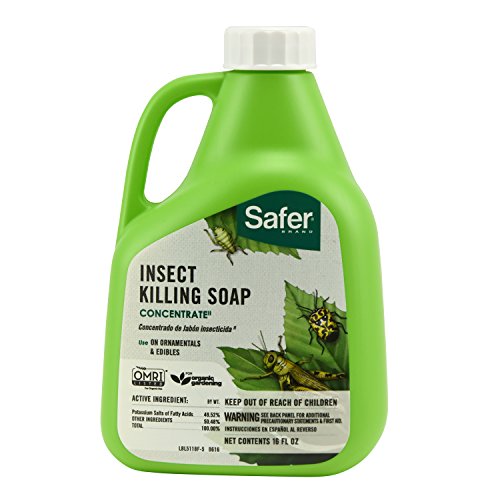
Protect Plants from Insects - Kills a variety of soft-bodied insect pests, including aphids, mealybugs, whiteflies, leafhopper, spider mites, and more

FOR ORGANIC GARDENING – OMRI LISTED: Approved for use in organic production, Monterey Insecticidal Soap RTU is perfect for indoor and outdoor organic gardening on fruits, vegetables, ornamentals, and more.
Pruning Techniques for Fig Tree Productivity
Pruning is essential for maximizing the productivity of fig trees, especially in the unique climate of Irving, TX. Proper techniques not only promote healthier growth but also enhance fruit quality and yield. Understanding the right timing and methods for pruning can make a significant difference in your fig tree’s performance.
Pruning fig trees encourages healthy growth and increases fruit production. Follow these pruning tips:
Timing: Prune in late winter or early spring when the tree is dormant.
Remove Dead Wood: Cut away any dead or diseased branches.
Shape the Tree: Maintain an open center to improve air circulation and sunlight penetration.
Regular pruning promotes a robust structure and enhances fruit quality.
Adjusting Care for Irving’s Climate
Growing fig trees in Irving, TX requires an understanding of the local climate’s unique characteristics. The region’s hot summers and mild winters can impact the care these trees need to thrive. By adjusting your approach to watering, pruning, and protection, you can ensure your fig trees flourish despite the challenges posed by Dallas County’s weather.
Irving’s climate can vary, so monitoring local conditions is essential. Keep an eye on:
Temperature Changes: Protect young trees during unexpected cold snaps.
Rainfall Patterns: Adjust watering based on seasonal rainfall.
Soil Moisture: Use a moisture meter to ensure optimal watering.
Adapting your care practices to local conditions will enhance your fig tree’s resilience and productivity.
