

Using neem oil on almond trees is an effective method for organic pest control. The best time to spray is during early spring and late summer when pests are most active.
Neem Oil Efficacy for Almond Tree Protection
Neem oil is derived from the seeds of the neem tree and contains compounds that disrupt pest life cycles. It acts as a natural insecticide and fungicide, making it suitable for organic farming. This oil is particularly effective against aphids, spider mites, and whiteflies.
The benefits of using neem oil include:
Reducing pest populations without harming beneficial insects
Providing a protective barrier against fungal infections
Enhancing overall tree health
Neem Oil Application Timing for Almond Trees
Understanding the optimal timing for neem oil application on almond trees is crucial for effective organic pest control. This section delves into the specific growth stages and environmental conditions that influence when to spray, ensuring maximum efficacy against pests while promoting the health of your almond trees.
Timing is crucial when applying neem oil to almond trees. Spraying at the right moment maximizes effectiveness and minimizes waste. Early spring is ideal for targeting overwintering pests, while late summer applications help control late-season infestations.
Recommended Products
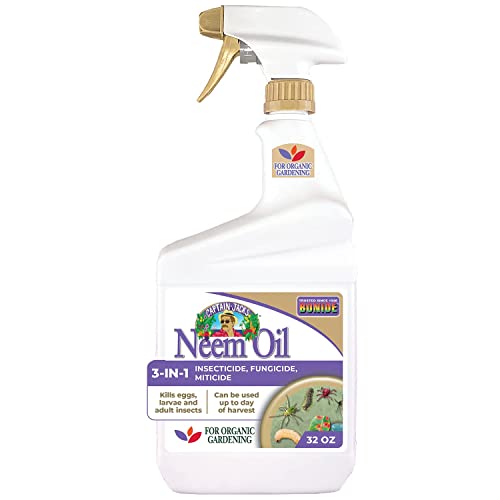
MULTI-PURPOSE BUG KILLER - Bonide Neem Oil is a perfect pest control solution for any garden dealing with mites, flies, mildew, and more. This product is a three-in-one fungicide, miticide, and insecticide.

PLANT DISEASE CONTROL: Natria Neem Oil acts as an insecticide and fungicide in one convenient spray; Ready-to-use trigger sprayer requires no mixing

Protect your oasis with Captain Jack’s Neem Max Ready-to-Use Spray; this multipurpose product acts as a 4-in-1 insecticide, fungicide, miticide and nematicide
Optimal Neem Oil Timing for Almonds
Timing is crucial when using neem oil for pest control on almond trees. Understanding the optimal periods for application can significantly enhance its effectiveness against common pests while minimizing any potential impact on beneficial insects. This section outlines the best times to spray neem oil to ensure healthy almond production.
Early Spring: Target emerging pests before they establish.
Late Summer: Control late-season pests that may affect nut quality.
| Application Period | Purpose | Best Time |
|---|---|---|
| Early Spring | Control overwintering pests | March to April |
| Late Summer | Manage late-season infestations | August to September |
Neem Oil Application Preparation Steps
Preparing neem oil for application on almond trees is essential for effective organic pest control. Proper preparation ensures that the oil maintains its potency and adheres well to the tree’s foliage. Understanding the necessary steps will help maximize the benefits of this natural pesticide while minimizing potential issues during application.
Preparation ensures effective application and pest control. Gather necessary supplies and follow safety precautions to protect yourself and the environment.
Recommended Products

FOR ORGANIC GARDENING - Captain Jack's NeemMax is a perfect pest control solution for any garden dealing with mites, flies, mildew, and more. This product is a four-in-one insecticide, fungicide, miticide, and nematicide.

Gentle Plant Wash Made with Neem Oil & Peppermint Oil

Protect your oasis with Captain Jack’s Neem Max Ready-to-Use Spray; this multipurpose product acts as a 4-in-1 insecticide, fungicide, miticide and nematicide
Neem Oil Application Tools for Almond Trees
When managing pests on almond trees, selecting the right application tools for neem oil is crucial for effective treatment. Various tools can enhance coverage and ensure that the oil penetrates the foliage, maximizing its pest control benefits. Understanding these options will help you achieve optimal results while maintaining organic farming practices.
Neem oil (pure or concentrated)
Spray bottle or garden sprayer
Protective gear (gloves, mask, goggles)
Water for dilution
Neem Oil Application Safety Guidelines
When using neem oil on almond trees, it’s essential to follow safety guidelines to ensure effective pest control while protecting both the environment and the health of the trees. Proper application techniques and precautions can maximize benefits and minimize potential risks, making it crucial for growers to understand these guidelines before spraying.
Always read the product label for specific instructions.
Wear protective gear to avoid skin contact.
Avoid spraying on windy days to prevent drift.
Neem Oil Application Techniques for Almond Trees
Applying neem oil effectively to almond trees is crucial for maximizing its benefits in organic pest control. Understanding the right techniques ensures that the oil penetrates the foliage and targets pests while minimizing any potential harm to beneficial insects. This section outlines the best practices for applying neem oil to achieve optimal results.
Proper application techniques enhance the effectiveness of neem oil. Follow these steps to ensure thorough coverage and optimal results.
Dilute neem oil according to the product instructions, typically mixing 1-2 tablespoons per gallon of water.
Fill the spray bottle or sprayer with the diluted solution.
Spray the entire tree, focusing on the undersides of leaves where pests often hide.
Reapply every 7-14 days during active pest seasons or after rain.
Recommended Products

Protect your oasis with Captain Jack’s Neem Max Ready-to-Use Spray; this multipurpose product acts as a 4-in-1 insecticide, fungicide, miticide and nematicide

Protect your oasis with Captain Jack’s Neem Max Ready-to-Spray solution; this multipurpose product acts as a 4-in-1 insecticide, fungicide, miticide and nematicide

🐾【𝐍𝐀𝐓𝐔𝐑𝐀𝐋 𝐍𝐄𝐄𝐌 & 𝐏𝐄𝐏𝐏𝐄𝐑𝐌𝐈𝐍𝐓 𝐅𝐎𝐑𝐌𝐔𝐋𝐀】 Our botanical plant wash combines cold-pressed neem oil with refreshing peppermint oil to cleanse leaves and provide gentle plant protection for indoor and outdoor plants
Neem Oil Application Timing for Almond Trees
Timing is crucial when applying neem oil to almond trees for effective organic pest control. Understanding the optimal periods for spraying can significantly enhance the oil’s efficacy against pests while minimizing any potential harm to beneficial insects. This section delves into the best times to apply neem oil to ensure healthy almond trees and a successful harvest.
Avoid applying neem oil during peak sunlight hours to prevent leaf burn.
Test a small area first to ensure no adverse reactions occur.
Early Detection of Pest Issues
Early detection of pest issues on almond trees is crucial for effective organic pest control using neem oil. By identifying signs of infestation early, growers can implement timely interventions that minimize damage and promote healthier trees. Understanding the specific indicators of pest presence can significantly enhance the success of neem oil treatments.
Identifying pest problems early is key to effective management. Regular inspections of your almond trees will help catch issues before they escalate.
Pest Damage Indicators on Almond Trees
Identifying pest damage on almond trees is crucial for effective organic pest control. By recognizing the signs of infestation early, growers can take timely action to protect their crops. This section outlines the key indicators of pest damage, helping you maintain healthy almond trees and optimize yields.
Discolored leaves: Yellowing or browning can indicate pest damage.
Sticky residue: Honeydew from aphids may coat leaves.
Visible pests: Look for small insects on leaves and branches.
| Pest Type | Symptoms | Control Method |
|---|---|---|
| Aphids | Curling leaves, sticky residue | Neem oil spray |
| Spider Mites | Fine webbing, speckled leaves | Neem oil application |
| Whiteflies | Yellowing leaves, white insects | Neem oil treatment |
Neem Oil Application Monitoring Techniques
Effective monitoring techniques are essential for the successful application of neem oil on almond trees. By understanding the right timing and conditions for spraying, growers can enhance pest control while minimizing potential negative impacts on beneficial insects. This section explores various methods to ensure optimal neem oil use in organic farming practices.
Monitoring the results of neem oil applications is essential. Observe changes in pest populations and tree health to determine if adjustments are needed.
Neem Oil Application Timing for Pest Control
Understanding the optimal timing for neem oil application on almond trees is crucial for effective organic pest control. This section delves into the best periods for spraying to maximize protection against pests while ensuring the health of your trees. By following these guidelines, you can enhance the efficacy of neem oil and promote a thriving almond orchard.
Inspect trees weekly for pest presence.
Note any changes in leaf color or growth.
Adjust application frequency based on observed pest activity.
Over-application can harm beneficial insects and lead to resistance in pests.
Neem Oil Application Timing for Almond Trees
Understanding the optimal timing for neem oil application on almond trees is crucial for effective organic pest control. This section delves into the best periods for spraying, ensuring that you maximize the benefits of neem oil while minimizing potential risks to your trees and the surrounding ecosystem. Proper timing can significantly enhance the health and yield of your almond crop.
Regular monitoring and timely applications of neem oil will help maintain healthy almond trees. Stay vigilant for signs of pests and adjust your strategy as needed to ensure successful organic pest control.
