

Selecting the best fruit trees for Las Vegas requires understanding the unique desert climate. The ideal choices thrive in high temperatures and low moisture. Consider varieties that are drought-resistant and can withstand the intense sun.
Selecting Drought-Resistant Fruit Trees
Las Vegas experiences extreme heat and limited rainfall, making it crucial to select fruit trees that can adapt to these conditions. Drought-resistant species not only survive but also produce quality fruit. When choosing trees, consider factors like soil type, tree size, and fruiting season.
Recommended Products

Product Quantity: 180+ premium bonsai fruit seeds across 5 varieties; Individual packs contain 40+ apple, 40+ lemon, 40+ orange, 20+ blueberry, and 40+ cherry seeds; Perfect for starting a diverse miniature orchard
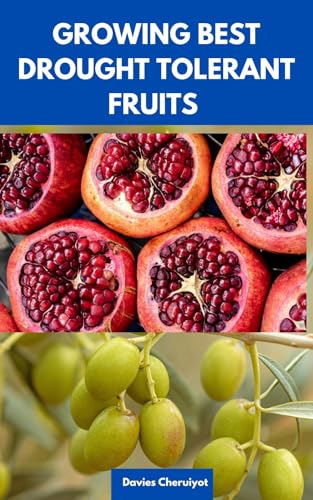
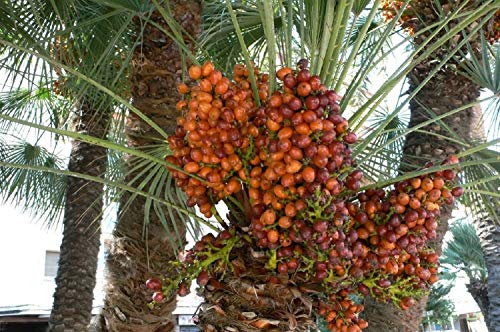
Desert-Friendly Fruit Tree Selections
Las Vegas, with its arid climate and unique growing conditions, requires careful selection when it comes to fruit trees. The following options thrive in desert environments, offering both resilience and delicious yields. Explore these desert-friendly fruit tree selections to enhance your garden and enjoy fresh produce even in the heat.
Several fruit trees are well-suited for the Las Vegas climate. These trees require less water and can thrive in poor soil conditions. Here are some top choices:
| Fruit Tree | Water Requirement | Harvest Season | Growth Habit |
|---|---|---|---|
| Pomegranate | Low | Late Summer | Shrub |
| Fig | Low | Late Summer | Tree |
| Citrus | Moderate | Winter | Tree |
| Olive | Very Low | Summer | Tree |
In-Depth Analysis of Top Fruit Trees
Las Vegas, with its unique desert climate, presents both challenges and opportunities for fruit tree cultivation. This section delves into the best fruit trees suited for the region, exploring their specific needs, growth patterns, and the benefits they offer to local gardeners. Understanding these options will help you make informed choices for a thriving garden in the desert.
Each tree offers unique benefits. Understanding their characteristics helps in making an informed decision.
Pomegranate
Pomegranates are ideal for hot climates. They require minimal water and produce vibrant fruit.
The tree grows as a shrub, making it suitable for smaller gardens. Regular pruning enhances fruit production.
Fig
Figs thrive in dry conditions and produce sweet fruit. They can grow large, providing shade while offering delicious harvests. Ensure proper spacing to allow air circulation.
Citrus
Citrus trees like oranges and lemons flourish in Las Vegas. They need moderate watering and provide fruit in winter. These trees can be grown in pots for mobility and better care.
Olive
Olive trees are exceptionally drought-resistant. They require very little water and can survive in poor soil. The fruit is harvested in summer, and the tree’s aesthetic appeal adds value to any garden.
Growth Habit Comparison for Desert Fruit Trees
Understanding the growth habits of fruit trees is essential for successful desert gardening in Las Vegas. The unique climate and soil conditions of the region influence how different species develop, making it crucial to choose the right trees for optimal yield. This section compares the growth habits of various fruit trees suited for the arid environment, helping you make informed decisions.
Understanding the growth habits of these trees helps in planning your garden layout. Here’s a comparison of their growth characteristics:
| Tree Type | Height | Spread | Lifespan |
|---|---|---|---|
| Pomegranate | 8-12 ft | 6-10 ft | 50 years |
| Fig | 10-30 ft | 15-30 ft | 30 years |
| Citrus | 10-20 ft | 10-15 ft | 50 years |
| Olive | 20-30 ft | 15-25 ft | 100 years |
Garden Preparation for Desert Fruit Trees
Preparing your garden for fruit trees in the arid climate of Las Vegas requires careful planning and consideration. Understanding soil quality, irrigation methods, and the specific needs of desert-adapted species is essential for successful growth. This section will guide you through the necessary steps to create an optimal environment for thriving fruit trees in your desert garden.
Before planting, prepare your garden to ensure optimal growth. Soil quality and drainage are critical. Follow these steps:
Test Soil for pH and nutrient levels.
Amend Soil with organic matter to improve fertility.
Create Raised Beds if drainage is a concern.
Mulch around trees to retain moisture.
Desert Fruit Tree Care Techniques
Caring for fruit trees in the arid climate of Las Vegas requires specific techniques to ensure healthy growth and fruitful yields. Understanding the unique challenges of desert gardening, such as heat and limited water, is essential for successful cultivation. This section explores effective care strategies tailored to the needs of fruit trees in this environment.
Proper maintenance ensures healthy growth and fruitful harvests. Regular care includes:
Watering deeply but infrequently to encourage root growth.
Pruning annually to remove dead or overcrowded branches.
Fertilizing in early spring with a balanced fertilizer.
Monitoring for pests and diseases regularly.
Desert Gardening Challenges and Solutions
Gardening in the arid climate of Las Vegas presents unique challenges that require careful planning and adaptation. From extreme temperatures to limited water resources, understanding these obstacles is crucial for successful fruit tree cultivation. This section explores common desert gardening issues and offers practical solutions to help you thrive in this challenging environment.
Desert gardening presents unique challenges. Be aware of these potential issues:
Heat Stress can damage young trees. Provide shade during extreme temperatures.
Pest Infestations may occur. Use organic pesticides when necessary.
Soil Erosion can happen due to wind. Use ground cover plants to stabilize soil.
Selecting Drought-Resistant Fruit Trees
Choosing the right fruit trees for a desert climate like Las Vegas requires careful consideration of drought resistance. These trees not only thrive in arid conditions but also provide delicious yields with minimal water. Understanding which varieties are best suited for the region will help you create a fruitful and sustainable garden.
Choosing the right fruit trees for Las Vegas involves understanding the local climate and selecting suitable varieties. Focus on drought-resistant species that can thrive in the desert environment. Proper care and maintenance will lead to a fruitful garden.
