

Growing mango trees in pots in Philadelphia, PA is feasible with the right care and conditions. Select a suitable dwarf mango variety and provide adequate sunlight, water, and nutrients to ensure healthy growth and fruit production.
Best Mango Varieties for Container Growth
Choosing the right mango variety is crucial for successful pot cultivation. Dwarf varieties like ‘Palmer’, ‘Haden’, and ‘Carrie’ thrive in smaller spaces and are better suited for container growth. These varieties typically reach heights of 3 to 6 feet, making them manageable for urban settings.
Key considerations:
Climate adaptability: Ensure the variety can withstand Philadelphia’s climate.
Fruit size: Some varieties produce larger fruits, which may require more nutrients.
Growth habit: Dwarf varieties are more compact and easier to manage.
| Mango Variety | Height | Fruit Size | Flavor Profile |
|---|---|---|---|
| Palmer | 3-6 ft | Medium | Sweet, tropical |
| Haden | 3-6 ft | Large | Rich, aromatic |
| Carrie | 3-5 ft | Medium | Sweet, fiberless |
Recommended Products
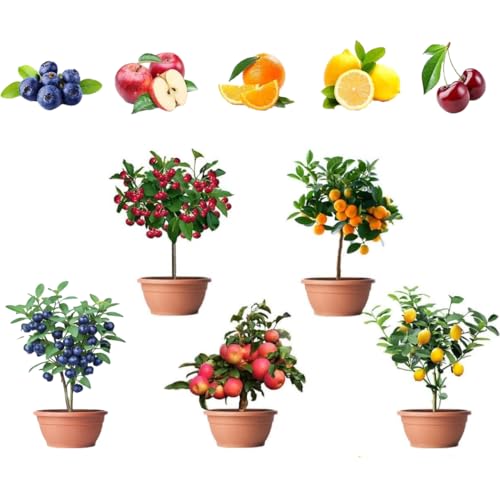
Variety Pack of 5 Fruits: Includes 40 Lemon seeds, 40 Orange seeds, 40 Apple seeds, 20 Cherry seeds, and 20 Blueberry seeds for a colorful and diverse home garden

Made for Lemon & Citrus Trees – Formulated to support healthy growth in lemon and citrus plants.

Tropical Fruit Seeds: Grow your own delicious mangoes at home with this set of 3 premium mango tree seeds, perfect for cultivating fresh, sweet tropical fruit right in your garden or indoor space
Optimal Potting Conditions for Mango Trees
Creating the right environment for mango trees in pots is essential for their growth and fruit production, especially in urban settings like Philadelphia. This section explores the optimal potting conditions, including soil types, pot sizes, and watering practices, to ensure these tropical trees thrive despite the challenges of city living.
Creating the right environment is essential for your mango tree. Start with a large pot, ideally 15 gallons or more, to allow for root expansion. Use a well-draining potting mix that retains moisture but does not become soggy.
Steps for preparation:
Choose a pot: Select a container with drainage holes.
Mix soil: Combine potting soil with perlite or sand for drainage.
Add nutrients: Incorporate slow-release fertilizer into the mix.
Recommended Products
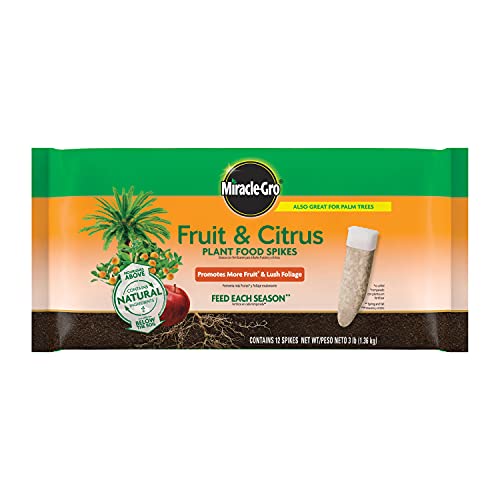
FORMULATED FOR CITRUS AND FRUIT TREES: Use these citrus fertilizer spikes on apple, orange, lemon, lime, and avocado trees; this formula is also great for feeding palm trees

🌳Olive & Fruit Trees: 6-4-6 fertilizer for fruit trees—ideal olive tree fertilizer for potted & outdoor trees; supports healthy growth and fruiting.

Comes in 5 lb. bag of granules
Mango Tree Care: Watering and Fertilizing Strategies
Caring for mango trees in pots requires attention to both watering and fertilizing to ensure healthy growth, especially in urban environments like Philadelphia. Understanding the specific needs of these tropical plants in a container will help you provide the right conditions for fruit production and overall vitality. This section outlines effective strategies tailored for potted mango trees.
Proper watering and fertilizing are vital for healthy mango trees. Water your tree deeply but infrequently to encourage deep root growth. Fertilize during the growing season with a balanced fertilizer to support fruit development.
Watering frequency:
Water every 7-10 days in summer.
Reduce frequency in winter months.
Fertilization schedule:
Apply fertilizer every 6-8 weeks during the growing season.
Use a balanced formula with micronutrients.
Mango Tree Light and Temperature Needs
Mango trees thrive in warm, sunny environments, making their light and temperature requirements crucial for successful growth, especially in an urban setting like Philadelphia. Understanding these needs not only helps in nurturing your potted mango tree but also ensures it can adapt to the local climate while maximizing fruit production.
Mango trees require plenty of sunlight and warmth to thrive. Ideally, place your pot in a location that receives 6-8 hours of direct sunlight daily. During winter, protect the tree from frost by bringing it indoors or covering it.
Temperature preferences:
Optimal growth occurs between 70-85°F.
Protect from temperatures below 50°F.
Recommended Products

PLANT DISEASE CONTROL: Natria Neem Oil acts as an insecticide and fungicide in one convenient spray; Ready-to-use trigger sprayer requires no mixing
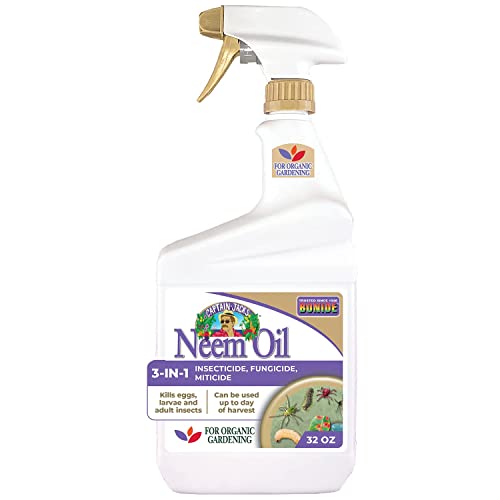
Protect your oasis with 3 garden products in 1 from Captain Jack’s; Bonide Captain Jack’s Ready-to-Use Neem Oil spray for plants is a multi-purpose fungicide, insecticide and miticide for your lawn & garden

FUNGAL DISEASE CONTROL: Prevents and controls black spot on roses, powdery mildew, rust, downy mildew, and other listed fungal diseases when applied on a 7–14 day schedule
Urban Pest Management for Mango Trees
Managing pests is crucial for the health of mango trees grown in pots, especially in an urban environment like Philadelphia. This section provides practical strategies to identify and control common pests that may threaten your mango trees, ensuring they thrive despite the challenges of city gardening. Understanding these methods will help you maintain a vibrant and productive urban garden.
Urban environments can expose mango trees to various pests and diseases. Regular monitoring and proactive measures can help prevent infestations. Common pests include aphids, spider mites, and scale insects.
Control methods:
Use insecticidal soap or neem oil for treatment.
Maintain good air circulation around the tree.
| Pest | Symptoms | Treatment |
|---|---|---|
| Aphids | Curling leaves | Insecticidal soap |
| Spider mites | Webbing | Neem oil |
| Scale insects | Sticky residue | Horticultural oil |
Urban Mango Harvesting Best Practices
Successfully harvesting mangoes from potted trees in an urban setting like Philadelphia requires specific techniques tailored to the unique challenges of container gardening. Understanding the right timing, care, and harvesting methods can significantly enhance fruit quality and yield. This section outlines the best practices for ensuring a fruitful mango harvest in a limited space.
Mangoes typically take several months to mature. Harvest them when they change color and begin to soften slightly. Use pruning shears to cut the fruit from the tree, ensuring you do not damage the branches.
Harvesting tips:
Check for color changes indicating ripeness.
Gently squeeze the fruit to assess softness.
Do not wait until mangoes drop from the tree as this can affect quality.
Mango Tree Care Challenges in Urban Settings
Caring for mango trees in urban settings like Philadelphia presents unique challenges that can impact their growth and fruit production. Limited space, varying climate conditions, and potential pest issues require careful consideration and management. Understanding these challenges is essential for urban gardeners aiming to successfully cultivate mango trees in pots.
Urban gardeners may face specific challenges with mango trees. Issues such as poor fruit set or leaf drop can arise from environmental stress or improper care.
Common problems and solutions:
Poor fruit set: Ensure adequate pollination and nutrient supply.
Leaf drop: Check for overwatering or pest infestations.
| Issue | Cause | Solution |
|---|---|---|
| Poor fruit set | Lack of pollinators | Hand pollinate |
| Leaf drop | Overwatering | Adjust watering schedule |
Engaging in urban gardening with mango trees in pots can be rewarding. With the right variety, care, and attention to environmental factors, you can enjoy fresh mangoes even in a city setting.
