

Growing fig trees in Utah requires careful attention to soil management and specific techniques for success. Proper soil preparation, irrigation strategies, and pest control measures are essential for thriving fig trees in this climate.
Fig Tree Soil Quality and pH Guidelines
Understanding the soil quality and pH requirements is crucial for successfully growing fig trees in Utah. This section delves into the specific soil characteristics that promote healthy fig tree development, ensuring optimal growth and fruit production. By following these guidelines, gardeners can create the ideal environment for their fig trees to thrive.
Fig trees thrive in well-drained, loamy soil that is rich in organic matter. The ideal soil pH for fig trees ranges from 6.0 to 6.8. Testing the soil before planting helps determine nutrient levels and pH balance.
Consider these soil management practices:
Amend soil with compost to improve texture and nutrient content.
Test pH levels regularly to maintain optimal conditions.
Ensure drainage to prevent root rot, especially during heavy rains.
Recommended Products

Kindly NOTE: This soil tester can not be applied to test pH value of any other liquid. If the soil is too dry the indicator will not move, and water it before testing.

How to Accurately Test Garden's Soil pH? Many growers do not able to use the correct tools and methods to obtain accurate soil ph values; NewTest soil ph test kit includes upgraded soil ph test strips, measuring cylinders, and instructions for professional testing methods; it allows even beginners to easily and accurately obtain soil ph values
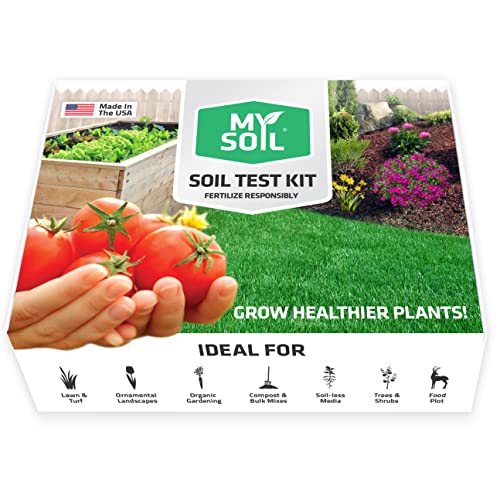
KNOW BEFORE YOU GROW | Grow the healthiest, sustainable lawn and garden with the most accurate and easy to use professional soil test kit on the market
Fig Tree Soil Testing and Amendments
Understanding the soil composition is crucial for successful fig tree cultivation in Utah. Proper soil testing and the right amendments can significantly enhance growth and fruit production. This section delves into essential soil management practices tailored to optimize conditions for fig trees in the unique Utah climate.
Regular soil testing is crucial for maintaining the health of fig trees. Soil tests provide information on nutrient levels and pH balance. Based on the results, you can make informed decisions about soil amendments.
Common amendments include:
Lime to raise pH levels
Sulfur to lower pH levels
Organic fertilizers to boost nutrient content
| Amendment | Purpose | Application Rate |
|---|---|---|
| Lime | Raise pH | 5-10 lbs per 100 sq ft |
| Sulfur | Lower pH | 1-2 lbs per 100 sq ft |
| Compost | Nutrient boost | 2-3 inches top dressing |
Irrigation Strategies for Healthy Fig Trees
Effective irrigation is crucial for the success of fig trees in Utah’s diverse climate. Understanding the specific water needs of these trees can significantly enhance their growth and fruit production. This section explores various irrigation strategies tailored to ensure that fig trees thrive in the unique soil conditions of the region.
Proper irrigation is vital for fig tree health. Fig trees prefer moderate watering, as excessive moisture can lead to root rot. Establishing a consistent watering schedule helps maintain soil moisture without over-saturating.
Effective irrigation techniques include:
Drip irrigation to deliver water directly to the roots
Soaker hoses for even moisture distribution
Mulching to retain soil moisture and reduce evaporation
Seasonal Fig Tree Watering Techniques
Understanding the seasonal watering techniques for fig trees in Utah is crucial for their successful growth. This region’s unique climate and soil conditions require tailored approaches to ensure optimal hydration throughout the year. By implementing the right strategies, you can enhance the health and productivity of your fig trees.
Adjusting your watering strategy based on the season can enhance fig tree growth. During hot summer months, fig trees may require more frequent watering. Conversely, reduce watering in cooler months to prevent overwatering.
Seasonal watering guidelines:
Spring: Water every 1-2 weeks
Summer: Water weekly, increase frequency during heatwaves
Fall: Gradually reduce watering as temperatures drop
Effective Pest Control for Fig Trees
Managing pests is crucial for the health and productivity of fig trees in Utah. Understanding common pests and implementing effective control strategies can help ensure robust growth and fruit production. This section explores practical methods for safeguarding your fig trees against potential threats.
Pest management is essential for maintaining healthy fig trees. Common pests include aphids, spider mites, and fruit flies. Implementing preventive measures can significantly reduce pest infestations.
Effective pest control strategies include:
Regular inspections to identify early signs of infestation
Natural predators like ladybugs to control aphid populations
Insecticidal soap for treating severe infestations
Recommended Products
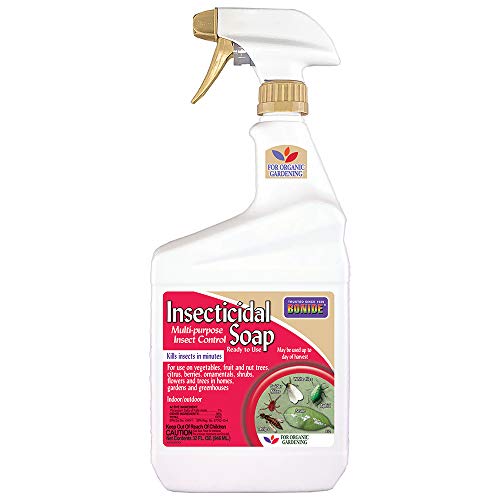
Captain Jack's Insecticidal Super Soap controls species of adelgid, ant, aphid, borer, caterpillar, spider mite, cricket, chinch bug, weevil, fly, thrip, and more

PEST DEFENSE - Insecticidal Super Soap controls species of adelgid, ant, aphid, borer, caterpillar, spider mite, cricket, chinch bug, weevil, fly, thrip, & more.

READY-TO-USE CONTACT SPRAY: No mixing required. Thoroughly spray insecticide on all plant parts, including the underside of leaves. Pests must be sprayed directly to achieve control
Identifying Fig Tree Diseases in Utah
Understanding the common diseases that affect fig trees in Utah is crucial for maintaining their health and productivity. This section delves into the symptoms, causes, and management strategies for various fig tree diseases, enabling growers to recognize and address issues promptly. By being informed, you can ensure your fig trees thrive in Utah’s unique climate.
Fig trees are susceptible to various diseases, including root rot and leaf blight. Early detection and treatment are critical for preventing widespread damage.
Common diseases and treatments:
Root rot: Improve drainage and reduce watering
Leaf blight: Remove infected leaves and apply fungicides
| Disease | Symptoms | Treatment |
|---|---|---|
| Root rot | Wilting, yellowing leaves | Improve drainage, reduce watering |
| Leaf blight | Dark spots on leaves | Remove infected leaves, fungicides |
Best Fig Varieties for Utah’s Climate
Selecting the right fig varieties is crucial for successful cultivation in Utah’s unique climate. With its varying temperatures and soil conditions, certain figs thrive better than others, offering both resilience and flavor. This section explores the best fig varieties suited for Utah, ensuring gardeners can make informed choices for their planting endeavors.
Choosing the right fig variety for Utah’s climate is crucial for success. Certain varieties are better suited for cooler temperatures and shorter growing seasons.
Recommended fig varieties for Utah include:
Brown Turkey: Hardy and adaptable to various conditions
Celeste: Sweet flavor and good cold tolerance
Kadota: Excellent for drying and preserves
Local Climate Impact on Fig Varieties
Understanding the local climate is crucial for successfully growing fig trees in Utah. The unique weather patterns and temperature fluctuations can significantly influence which fig varieties thrive in the region. By examining these climatic factors, growers can make informed decisions to optimize their fig cultivation efforts.
Understanding local climate conditions helps in selecting the most suitable fig varieties. Factors such as elevation, temperature fluctuations, and frost dates can influence fig tree performance.
Local conditions to consider:
Elevation: Higher elevations may require more cold-hardy varieties
Frost dates: Select varieties that mature before the first frost
Fig Tree Growth and Health Monitoring
Monitoring the growth and health of fig trees is essential for successful cultivation in Utah’s unique climate. This section delves into key indicators of fig tree vitality, including leaf color, fruit development, and overall tree structure. Understanding these factors will help ensure that your fig trees thrive and produce abundant fruit.
Regular monitoring of fig tree growth and health is essential for long-term success. Observing changes in leaf color, fruit development, and overall vigor can help identify issues early.
Key monitoring practices include:
Weekly inspections for pests and diseases
Tracking growth patterns to assess health
Adjusting care based on observed needs
Ignoring signs of stress can lead to tree decline and reduced fruit production.
Implementing these soil management techniques and success secrets will enhance the growth of fig trees in Utah. Proper soil preparation, irrigation, pest management, and variety selection are essential components for thriving fig trees.
