

Growing apricot trees in Lexington, KY requires careful attention to Bluegrass soil conditions. To ensure healthy growth, it’s essential to understand soil composition, drainage, and nutrient needs specific to the region.
Bluegrass Soil Impact on Apricot Growth
Bluegrass soil in Lexington is primarily clay-based, which can affect water drainage and nutrient availability for apricot trees. This soil type tends to retain moisture, leading to potential root rot if not managed properly. Testing soil pH and nutrient levels is crucial for successful cultivation.
Apricot Soil Testing and Recommended Amendments
Understanding the soil composition is crucial for successfully growing apricot trees in Lexington, KY. Soil testing can reveal essential nutrients and pH levels, allowing for tailored amendments that enhance growth and fruit quality. This section outlines the best practices for testing your soil and the recommended amendments to ensure your apricot trees thrive in the Bluegrass region.
Conducting a soil test provides valuable insights into pH and nutrient content. The ideal pH for apricot trees is between 6.0 and 7.0. If your soil is too acidic or alkaline, consider the following amendments:
| Amendment | Purpose |
|---|---|
| Lime | Raises pH |
| Sulfur | Lowers pH |
| Compost | Adds nutrients and improves texture |
| Gypsum | Improves drainage in clay soils |
Perform these adjustments based on test results to create optimal growing conditions.
Best Apricot Varieties for Lexington Climate
When selecting apricot varieties for the unique climate of Lexington, KY, it’s essential to consider factors such as temperature fluctuations and soil conditions. Certain cultivars thrive better than others in this region, offering the best chance for successful fruit production. Understanding these varieties will help you make informed choices for your apricot tree planting.
Choosing the right apricot variety is essential for success in Lexington’s climate. Some varieties are better suited for the region’s temperature fluctuations and humidity levels. Consider the following options:
Tilton: Known for its hardiness and adaptability.
Katy: Early ripening and disease-resistant.
Harcot: Produces sweet fruit and is self-pollinating.
Research each variety’s specific growth requirements and select one that aligns with your gardening goals.
Recommended Products


Product Quantity: Five+ dwarf peach tree seeds per packet; Premium selection for optimal viability; Perfect for starting your own backyard orchard

FRESH SEEDS: 5 Seeds of fruit bearing Apricot Tree to grow.
Apricot Tree Planting Best Practices
Successfully planting apricot trees in Lexington, KY requires careful attention to the unique characteristics of Bluegrass soil. Understanding the best practices for planting can help ensure healthy growth and fruitful yields. This section outlines essential techniques to optimize your apricot tree planting experience in this specific region.
Proper planting techniques ensure strong root development for apricot trees. Follow these steps for optimal results:
Choose a sunny location with well-drained soil.
Dig a hole twice the width of the root ball and the same depth.
Mix soil with compost to improve nutrient levels.
Place the tree in the hole, ensuring the root collar is level with the ground.
Backfill with soil and water thoroughly.
These steps promote healthy growth and establish a strong foundation.
Apricot Tree Watering and Fertilization Techniques
Proper watering and fertilization are crucial for the successful growth of apricot trees in Lexington, KY’s unique Bluegrass soil. Understanding the specific needs of these trees will help ensure they thrive in the region’s climate and soil conditions. This section will explore effective techniques for watering and fertilizing apricot trees to promote healthy growth and fruit production.
Maintaining proper moisture levels is crucial for apricot trees. Overwatering can lead to root rot, while underwatering can stress the tree. Implement these strategies:
Water deeply once a week during dry spells.
Use mulch to retain soil moisture and regulate temperature.
Fertilize in early spring with a balanced fertilizer, following package instructions.
Monitoring moisture levels and adjusting your watering schedule will support healthy growth.
Recommended Products
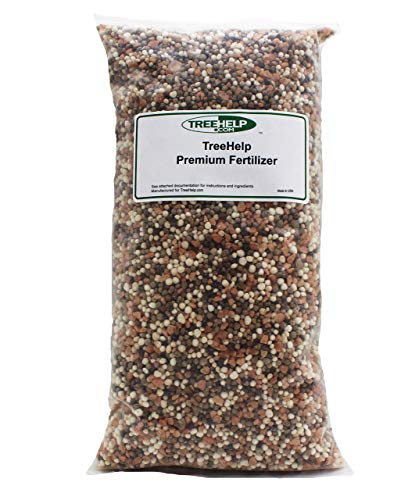
Approximately 3 Pounds

🌱 Strengthen APRICOT TREE Stalks & Prevent Breakage: Our silica formula reinforces plant cell walls, making stems and branches thick, tough, and resistant to breakage. Perfect for apricot tree plants.

Package contains 4 Pounds organic fruit and citrus fertilizer grains and is produced to avoid wasteful runoff, mess, hazards and smells
Pest and Disease Threats for Apricot Trees
Growing apricot trees in Lexington, KY presents unique challenges, particularly when it comes to pests and diseases that can threaten their health and productivity. Understanding the specific threats in the Bluegrass region is crucial for successful cultivation. This section delves into common pests and diseases that apricot trees may encounter, along with effective management strategies to protect your trees.
Apricot trees can be susceptible to various pests and diseases. Regular monitoring helps catch issues early. Common threats include:
Aphids: Small insects that can weaken trees.
Brown rot: Fungal disease affecting fruit.
Bacterial canker: Causes dieback and leaf spots.
Implement integrated pest management strategies, such as introducing beneficial insects and applying organic fungicides, to protect your trees.
Local Climate Considerations for Apricot Growth
Understanding the local climate is crucial for successfully growing apricot trees in Lexington, KY. The unique weather patterns and seasonal variations in the Bluegrass region can significantly impact tree health and fruit production. This section delves into the specific climate factors that aspiring apricot growers should consider to ensure optimal growth and yield.
Successfully growing apricot trees involves understanding local climate patterns and seasonal changes. Here are key considerations:
Frost dates: Monitor local frost dates to protect young trees.
Pruning: Conduct annual pruning in late winter to promote air circulation and fruit production.
Harvesting: Pick fruit when fully ripe for the best flavor.
These logistics help ensure a fruitful harvest and maintain tree health.
Recommended Products

PACKAGE: The package includes 4Pcs plant covers,will meet your daily use or replacement. Measuring 31.5" x 47.3", the plant protector is waterproof, windproof.

Revolutionary Anti-freeze Protection: Plant covers freeze protection is made of 100% Reliable non-woven thickened polypropylene fabric Because the frost cloth fabric Thickness is 3.2 oz/yd² thicker and warmer, tear resistant than less expensive 1.3 oz/yd² fabric. Provides up to 2° F(-17℃) frost protection. In winter, frost blankets for outdoor plants can form a insulation layer for plants to isolate cold air and retain the oxygen required for plant respiration

BETTER SOLUTION FOR DOING ORGANIC GARDENING:If you are doing organic gardening, or just want to reduce pesticide use, Remiawy shrub winter covers are the better choice for you. Reusable season after season,this quality winter shrub cover is made from tear-proof and breathable fabric. The material allows air and moisture to reach plants. Remiawy plant covers for animal protection will help protect branches buds and fruits from hungry deer,rabbits,worms and birds
Essential Steps for Apricot Cultivation
Successfully growing apricot trees in Lexington, KY requires careful attention to the unique characteristics of Bluegrass soil. Understanding the essential steps for cultivation will help ensure healthy trees and a fruitful harvest. This guide outlines the key practices needed to thrive in this specific environment.
Growing apricot trees in Lexington requires careful planning and management. Focus on soil testing, selecting the right variety, and implementing proper watering and pest management strategies. By following these guidelines, you can cultivate healthy trees that produce delicious fruit.
