

Mango trees can thrive in pots in Nevada with proper irrigation and heat management. By selecting the right potting mix and implementing effective watering techniques, you can successfully grow mango trees even in a desert climate.
Best Mango Varieties for Desert Conditions
When cultivating mango trees in pots in Nevada’s challenging desert climate, selecting the right variety is crucial for success. Certain mango types are better suited to withstand high temperatures and limited water availability, making them ideal for container gardening in arid regions. Understanding these varieties can significantly enhance your chances of thriving mango plants.
Choosing the right mango tree variety is crucial for successful growth in Nevada. Some varieties are more heat-tolerant and suitable for container growth. Consider these options:
Haden: Known for its rich flavor and vibrant color, it adapts well to heat.
Kent: Offers a sweet taste and is less prone to disease.
Tommy Atkins: A hardy variety that withstands high temperatures.
Each variety has unique characteristics that can affect growth and fruit production. Assess your space and climate before making a selection.
Potting Essentials for Mango Tree Care
Caring for mango trees in pots requires attention to specific potting essentials that cater to their unique needs, especially in Nevada’s challenging desert climate. Proper soil composition, pot selection, and drainage techniques play crucial roles in ensuring these tropical plants thrive despite the heat and arid conditions. Understanding these fundamentals will help you create an optimal environment for your mango trees.
To cultivate mango trees in pots, gather the following potting supplies:
Container: Choose a large, well-draining pot with drainage holes.
Potting Mix: Use a mix designed for tropical plants, ensuring it retains moisture but drains excess water.
Fertilizer: Select a slow-release, balanced fertilizer to nourish the tree throughout the growing season.
These supplies will create an optimal environment for your mango tree to flourish.
Effective Irrigation Strategies for Mango Trees
Mango trees thrive in warm climates, but growing them in pots in Nevada’s arid conditions requires careful attention to irrigation. Effective watering strategies are essential to ensure these tropical plants receive the moisture they need to flourish despite the desert heat. Understanding the best practices for irrigation can significantly enhance the health and productivity of your potted mango trees.
Irrigation is vital for mango trees in Nevada’s arid climate. Implement these techniques for effective watering:
Drip Irrigation: Install a drip system to deliver water directly to the roots, minimizing evaporation.
Soil Moisture Monitoring: Use a moisture meter to determine when to water.
Mulching: Apply a layer of mulch to retain soil moisture and regulate temperature.
Proper irrigation techniques will help maintain healthy growth and fruit production.
Recommended Products

Be a Gardening Master with the help of our superior and complete Drip Irrigation Kit: 10 Drip Irrigation Emitters Vortex + 20 Drip Emitters Spray + 50ft flexible & durable 5/16 irrigation tubing + 50ft 1/4 inch Drip Irrigation Tubing + 12 tubing coupler + 5 ¼ Tubing Tee Splitter + Tubing End Plugs + Water Connector + 1 x Complete Instructions Guide Hard Copy + 2 Grow your Own Vegetables & Fruits Guide full with pieces of advice and practical tips Digital Format.
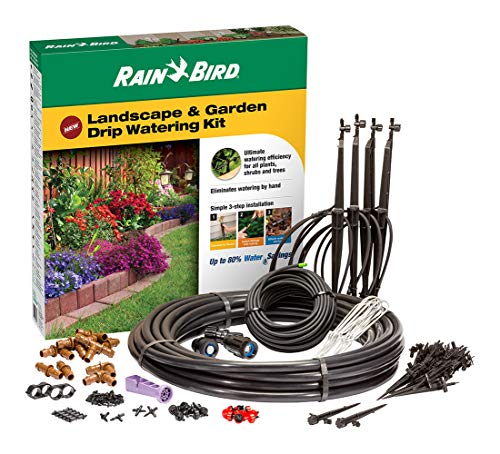
Comprehensive 108-piece kit for flower beds, gardens and landscaped areas; eliminates hand watering, saves time and money

NO MORE HARD INSTALLATION - SET UP IN MINUTES. Tired of struggling with stiff barbed fittings? This drip irrigation system features quick-connect fittings that let you push, lock, and secure tubing effortlessly. No tools, no leaks, just a smooth setup experience. Enjoy a frustration-free installation and get your garden watering system running in minutes.
Mango Tree Irrigation Timing in Nevada
Understanding the optimal irrigation timing for mango trees in Nevada is crucial for their successful growth in a desert environment. Given the region’s unique climate challenges, including intense heat and low humidity, precise watering schedules can help ensure these tropical trees thrive despite the arid conditions. Proper irrigation practices will significantly impact fruit yield and overall tree health.
Establishing a consistent watering schedule is essential for mango trees. Consider the following guidelines:
| Season | Frequency | Amount of Water |
|---|---|---|
| Spring | Every 5-7 days | 1-2 gallons |
| Summer | Every 3-5 days | 2-3 gallons |
| Fall | Every 7-10 days | 1-2 gallons |
| Winter | Every 10-14 days | 1 gallon |
Adjust the schedule based on rainfall and temperature changes.
Heat Stress Mitigation for Potted Mango Trees
Mango trees can thrive in pots even in the challenging conditions of Nevada’s desert climate, but they require careful management to prevent heat stress. Understanding the specific needs of these tropical plants, especially during peak temperatures, is crucial for maintaining their health and productivity. This section explores effective strategies for mitigating heat stress in potted mango trees.
Mango trees can suffer from heat stress, especially in extreme temperatures. To mitigate this, consider the following strategies:
Shade Cloth: Use shade cloth during peak afternoon sun to protect young trees.
Positioning: Place pots in a location that receives morning sun and afternoon shade.
Regular Monitoring: Check for signs of stress, such as wilting or leaf scorch.
Implementing these strategies will help your mango trees thrive despite high temperatures.
Identifying Heat Stress Symptoms in Mango Trees
Understanding the signs of heat stress in mango trees is crucial for successful cultivation in Nevada’s challenging desert climate. As temperatures soar, these trees can exhibit specific symptoms that indicate they need immediate attention. Recognizing these indicators will help ensure the health and productivity of your potted mango trees.
Recognizing heat stress early can prevent damage. Look for these signs:
Wilting Leaves: Leaves droop and lose turgidity.
Leaf Scorch: Brown edges or tips on leaves indicate excessive heat.
Fruit Drop: Premature fruit drop can occur if the tree is stressed.
Address these symptoms promptly to ensure your mango tree’s health.
Mango Tree Fertilization Techniques for Nevada
Mango trees thrive in warm climates, but growing them in Nevada’s unique desert environment requires careful attention to fertilization. Understanding the specific nutrient needs of these trees is crucial for promoting healthy growth and fruit production. This section explores effective fertilization techniques tailored to the challenges posed by Nevada’s heat and soil conditions.
Fertilizing mango trees appropriately supports robust growth and fruiting. Follow these strategies:
Timing: Fertilize in early spring as new growth begins.
Type: Use a balanced fertilizer with equal parts nitrogen, phosphorus, and potassium.
Application: Follow package instructions for dosage based on pot size.
Regular fertilization will enhance your tree’s overall health and fruit production.
Fertilizer Timing for Potted Mango Trees
Proper fertilizer timing is crucial for the health and productivity of potted mango trees, especially in the challenging conditions of Nevada’s desert climate. Understanding when and how to apply nutrients can significantly enhance growth and fruit yield, ensuring these tropical trees thrive despite the heat and limited water availability. This section delves into effective fertilization strategies tailored for potted mango trees.
A structured fertilizer application schedule can optimize growth:
| Month | Fertilizer Type | Application Rate |
|---|---|---|
| March | Balanced Slow-Release | 1 cup |
| June | Liquid Fertilizer | 1/2 cup |
| September | Balanced Slow-Release | 1 cup |
Adjust the schedule based on tree size and growth conditions.
Essential Care for Potted Mango Trees
Caring for potted mango trees in Nevada requires a tailored approach to address the unique challenges posed by the desert climate. With high temperatures and limited moisture, understanding essential care techniques is crucial for promoting healthy growth and fruit production. This section outlines key practices to ensure your mango trees thrive in a pot despite the harsh conditions.
Growing mango trees in pots requires attention to detail and care. Ensure you monitor soil moisture, adjust watering based on climate, and provide adequate nutrients.
Heat management and proper irrigation will significantly impact the success of your mango tree.
