

Growing pomegranate trees in pots in Montana can be a rewarding endeavor if you follow the right strategies. These trees thrive indoors with proper care, making them suitable for the colder climate of Montana. This guide outlines essential techniques for successful indoor cultivation.
Optimal Potting Mix for Pomegranate Health
Choosing the right potting mix is crucial for the health of pomegranate trees grown indoors in Montana. The ideal blend not only supports growth but also ensures proper drainage and aeration, which are vital in a climate that can present unique challenges. Understanding the components of an optimal potting mix will help you cultivate thriving pomegranate trees in your home.
Choosing the correct potting mix is crucial for the health of your pomegranate tree. A well-draining mix ensures that roots do not sit in water, which can lead to rot. Look for a mix that contains:
Perlite for aeration
Coconut coir for moisture retention
Compost for nutrients
A mixture ratio of 1:1:1 for perlite, coconut coir, and compost works well. This combination provides the necessary drainage while retaining enough moisture for the tree’s growth.
| Component | Ratio | Purpose |
|---|---|---|
| Perlite | 1 | Aeration |
| Coconut coir | 1 | Moisture retention |
| Compost | 1 | Nutrient supply |
Recommended Products

You will receive (1) 2-cubic foot bag per purchase.
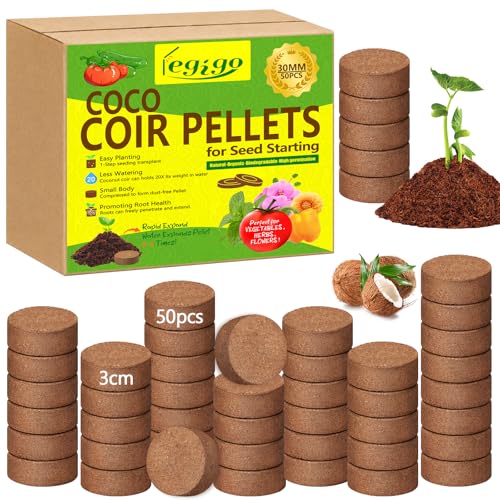
Value Package: You will receive 50 pcs sustainable raw coco coir peat, sized 1.22 inches in diameter and height 0.5 inches; Coco coir potting soil is compressed into a compact small block that is easy to store; You just need to soak a few coco soil discs at a time depending on the plant

A soilless grow medium made from 100% organic coco coir fiber to promote successful seed starting.
Optimal Sunlight for Potted Pomegranates
Pomegranate trees thrive on sunlight, making it essential to understand their light requirements, especially when grown in pots. In Montana’s unique climate, providing the right amount of light can significantly impact growth and fruit production. This section explores the optimal sunlight conditions needed to ensure your potted pomegranates flourish indoors.
Pomegranate trees require plenty of sunlight to flourish. Ideally, they need at least 6-8 hours of direct sunlight daily. Position your potted tree near a south-facing window or use grow lights if natural light is insufficient.
Monitor the tree for signs of inadequate light, such as:
Stunted growth
Pale leaves
Falling flowers
If you notice these symptoms, consider adjusting the light exposure.
Maintain Optimal Temperature and Humidity
Successfully growing pomegranate trees in pots in Montana requires careful attention to temperature and humidity. These factors play a crucial role in ensuring healthy growth and fruit production, especially in an indoor environment where conditions can vary significantly. Understanding how to maintain the right balance is essential for thriving pomegranate trees.
Indoor conditions in Montana can vary significantly, especially during winter. Pomegranate trees prefer temperatures between 65°F and 75°F. Avoid placing them near drafty windows or heating vents.
Humidity levels should also be kept in check. If the air is too dry, consider:
Using a humidifier to maintain moisture
Grouping plants to create a microclimate
Monitor humidity levels with a hygrometer to ensure they stay within a comfortable range.
Recommended Products

Wellness Indicator: This humidity meter with humidity level icon indicates air conditions - DRY/COMFORT/WET, allowing this humidity sensor to ensure you’re always aware of changes to your home/household with just a quick glance

1-【Widely Application】The digital LCD monitor can be used in home, office, garage, schools, hotels, laboratories, kindergartens, aquaculture, instrument workshop, warehouse, reptile tank terrarium, aquarium, hermit crab habitat, and other places where temperature/humidity measurement is required.

[High Accuracy & 5s Fast Refresh]: Built-in smart temperature humidity sensor, the indoor thermometer is accurate to ±1°F while humidity is ±5%RH. Enjoy precise data from the room thermometer indoor every 5 seconds
Pomegranate Tree Watering Guidelines
Proper watering is essential for the health and productivity of pomegranate trees grown in pots, especially in Montana’s unique climate. Understanding the specific needs of these trees will help ensure they thrive indoors, providing both beauty and fruit. This section outlines key watering guidelines to support successful growth and development.
Proper watering is essential for the health of your pomegranate tree. Overwatering can lead to root rot, while underwatering can cause stress. Follow these steps for effective watering:
Check soil moisture by inserting a finger about an inch deep.
Water thoroughly when the top inch of soil feels dry.
Allow excess water to drain out of the pot.
A general rule is to water once a week, adjusting based on the season and indoor conditions.
Recommended Products

Accurate Soil Moisture Detection: The XLUX Soil Moisture Meter can tell you if the soil deep inside your pot or garden is dry, moist or wet; whereas your eyes and fingers can only determine the moisture level of the soil surface. The probe is 5.5 inches (14 cm) longer than regular styles, allowing it to measure the soil moisture at the bottom of larger and deeper flower pots.
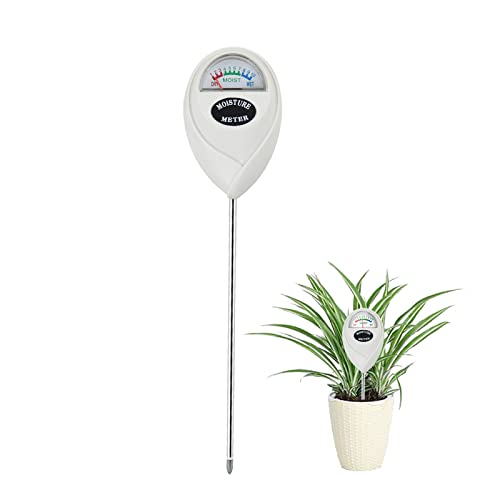
【SAVE YOUR PLANTS】: Over watering can cause problems with your plants or even kill them. This soil moisture meter helps you know the soil is dry, moist or wet.No more over watering!

Accurate Soil Moisture Detection: The XLUX Soil Moisture Meter detects deep soil moisture in pots or gardens (dry/moist/wet), unlike eyes or fingers that only sense surface soil.
Fertilization Strategies for Pomegranate Trees
Fertilizing pomegranate trees grown in pots requires careful attention to their specific nutrient needs, especially in Montana’s unique climate. Proper fertilization not only promotes healthy growth but also enhances fruit production. Understanding the right types of fertilizers and application methods is essential for indoor success with these vibrant trees.
To promote robust growth, fertilize your pomegranate tree during the growing season. Use a balanced, slow-release fertilizer with an N-P-K ratio of 10-10-10. Follow these guidelines:
Fertilize every 6-8 weeks from spring through summer.
Reduce fertilization in fall and winter when the tree is dormant.
Always follow the manufacturer’s instructions for application rates to avoid over-fertilizing.
Pruning Techniques for Pomegranate Trees
Pruning is essential for maintaining the health and productivity of pomegranate trees, especially when grown in pots in Montana’s unique climate. Proper techniques not only promote better fruit yield but also enhance the tree’s overall structure and appearance. Understanding the best practices for pruning can help indoor gardeners achieve thriving pomegranate trees year-round.
Regular pruning helps maintain the shape and health of your pomegranate tree. Focus on these steps:
Remove dead or damaged branches to improve air circulation.
Trim back excessive growth to encourage new shoots.
Shape the tree to ensure even light distribution.
Pruning should be done in late winter or early spring before new growth begins.
Indoor Pest Control for Pomegranate Trees
Maintaining healthy pomegranate trees indoors in Montana requires vigilance against pests that can thrive in a controlled environment. Understanding common indoor pests and implementing effective control strategies is crucial for ensuring the vitality of your trees. This section will explore practical methods to manage and prevent pest infestations, helping you cultivate thriving pomegranate trees in your home.
Indoor pomegranate trees can still attract pests. Common pests include aphids and spider mites. To manage these effectively:
Inspect plants regularly for signs of infestation.
Use insecticidal soap or neem oil for treatment.
Introduce beneficial insects like ladybugs for natural pest control.
Monitor the tree closely after treatment to ensure pests do not return.
Pomegranate Tree Care Problem Solutions
Caring for pomegranate trees in pots can present unique challenges, especially in Montana’s climate. This section addresses common problems faced by indoor gardeners and offers practical solutions to ensure your pomegranate thrives. From pest management to optimal watering techniques, these strategies will help you cultivate a healthy and fruitful indoor pomegranate tree.
Even with the best care, issues can arise. Here are common problems and their solutions:
| Problem | Symptoms | Solution |
|---|---|---|
| Root rot | Wilting leaves, mushy roots | Reduce watering, improve drainage |
| Leaf drop | Dropping leaves | Check for pests, adjust light |
| Poor fruiting | Few or no fruits | Ensure proper pollination, fertilize |
Adjust your care routine based on these observations to maintain a healthy tree.
Indoor Pomegranate Cultivation Tips for Montana
Growing pomegranate trees indoors in Montana can be a rewarding endeavor, despite the region’s challenging climate. With the right strategies, you can successfully cultivate these vibrant trees in pots, ensuring they thrive and produce fruit. This section provides essential tips tailored for indoor pomegranate cultivation in Montana’s unique environment.
Growing pomegranate trees in pots in Montana can be successful with the right strategies. Focus on proper potting mix, light, temperature, and watering to ensure your tree thrives indoors. Regular monitoring and adjustments will lead to fruitful results.
