

The best time to spray copper fungicide on orange trees is during the dormant season and early spring, specifically before new growth begins. This timing maximizes the effectiveness of the fungicide in preventing diseases such as citrus canker and powdery mildew.
Copper Fungicide Benefits for Orange Tree Health
Copper fungicide is a widely used treatment for various fungal diseases affecting orange trees. It works by disrupting the cellular processes of fungi, preventing them from growing and spreading. Using copper fungicide can help maintain the health of your orange trees, ensuring a bountiful harvest. Proper timing and application are crucial for effectiveness.
Advantages of Copper Fungicide for Orange Trees
Copper fungicide offers several benefits for orange trees, making it a popular choice among growers. Its effectiveness in controlling fungal diseases helps maintain tree health and fruit quality. Understanding these advantages can guide you in making informed decisions for your orchard management.
Spraying copper fungicide offers several advantages for orange tree health. These benefits include:
Disease prevention: Reduces the risk of fungal infections.
Broad-spectrum action: Effective against multiple types of fungi.
Long-lasting protection: Provides extended coverage against diseases.
Safe for the environment: Generally considered safe when used as directed.
Optimal Application Timing for Copper Fungicide
Timing is crucial when applying copper fungicide to orange trees to ensure maximum effectiveness against diseases. Understanding the optimal application periods can help protect your trees from harmful pathogens while promoting healthy growth. This section outlines the best times to spray copper fungicide for the most beneficial results.
Timing is critical when applying copper fungicide to orange trees. The ideal windows for application are:
Dormant season: Late winter to early spring before new growth.
Pre-bloom: Just before flowering to protect buds.
Post-bloom: After flowering to prevent infections during fruit development.
Recommended Products
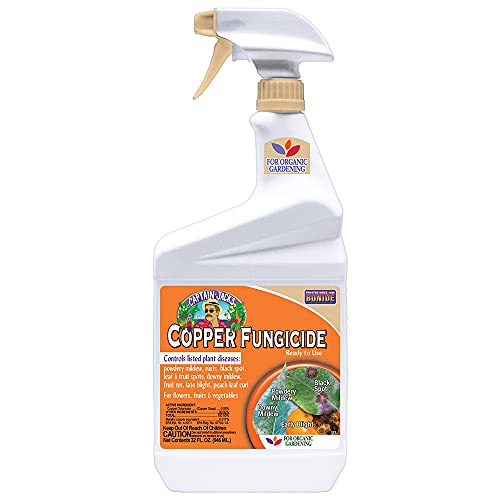
Control fungus and disease in your garden with Captain Jack’s ready-to-use Liquid Copper Fungicide!

Control fungus and disease in your garden with Captain Jack’s Liquid Copper Fungicide Concentrate!

Control fungus and disease in your garden with Captain Jack’s ready-to-spray Liquid Copper Fungicide!
Copper Fungicide Application Timing
Timing is crucial when applying copper fungicide to orange trees to ensure maximum effectiveness against diseases. Understanding the optimal periods for application can significantly enhance the health and yield of your trees. This section will provide essential insights into when to spray copper fungicide for the best results.
Understanding when to apply copper fungicide can enhance its effectiveness. The following table outlines the recommended application schedule:
| Season | Application Timing | Purpose |
|---|---|---|
| Dormant | Late winter | Prevent early fungal infections |
| Pre-bloom | Early spring | Protect flower buds |
| Post-bloom | Late spring | Safeguard developing fruit |
Copper Fungicide Application Safety Guidelines
When applying copper fungicide to orange trees, safety is paramount. Understanding the proper guidelines ensures not only the health of your trees but also the safety of those handling the product. Following these essential safety measures will help you effectively manage fungal issues while minimizing risks to yourself and the environment.
Before applying copper fungicide, take necessary safety precautions. Proper preparation ensures effective application and minimizes risks.
Wear protective gear: Use gloves, goggles, and a mask.
Read the label: Follow manufacturer instructions for dosage and application.
Check weather conditions: Avoid spraying before rain or high winds.
Copper Fungicide Application Equipment Guide
When applying copper fungicide to orange trees, having the right equipment can significantly enhance effectiveness and ease of use. This guide will provide essential insights into the various tools and methods available for applying copper fungicide, ensuring optimal coverage and protection for your trees against fungal diseases.
Having the right equipment is essential for effective application. Ensure you have the following items:
Sprayer: A backpack or hand-held sprayer for even coverage.
Measuring tools: Accurate measuring cups for mixing.
Protective clothing: Long sleeves and pants to minimize skin exposure.
Optimal Application Techniques for Copper Fungicide
Applying copper fungicide effectively is crucial for maintaining the health of orange trees. Understanding the optimal techniques for application can enhance the fungicide’s efficacy, ensuring better protection against fungal diseases. This section will explore the best practices for spraying copper fungicide, helping you achieve the best results for your orange grove.
Executing the application correctly is vital for success. Follow these steps to ensure thorough coverage.
Mix the fungicide: Combine the copper fungicide with water according to the label instructions.
Test the sprayer: Run a small amount of solution to check for even spray.
Apply evenly: Spray the entire tree, focusing on the undersides of leaves and branches.
Monitor conditions: Observe the weather and avoid applying if rain is expected within 24 hours.
Common Mistakes to Avoid
When applying copper fungicide to orange trees, avoiding common mistakes can significantly enhance its effectiveness. Many gardeners overlook crucial timing and application techniques, which can lead to suboptimal results. Understanding these pitfalls will help ensure your trees remain healthy and productive throughout the growing season.
Avoiding common pitfalls can enhance the effectiveness of your fungicide application. These mistakes include:
Skipping the dormant season: Failing to apply during dormancy can lead to increased disease pressure.
Overapplication: Applying too much can harm the tree and soil.
Ignoring weather: Spraying before rain can wash away the treatment.
Copper Fungicide Application Challenges
Applying copper fungicide to orange trees can present several challenges that require careful consideration. Factors such as timing, weather conditions, and tree health play crucial roles in the effectiveness of the treatment. Understanding these challenges is essential for ensuring optimal protection against fungal diseases while minimizing potential harm to the trees.
If you notice continued fungal issues after application, consider the following:
Check application timing: Ensure you applied during the recommended windows.
Evaluate environmental factors: High humidity can promote fungal growth despite treatment.
Inspect for resistance: Some fungi may develop resistance to copper fungicide over time.
Copper Fungicide Application Guidelines
Applying copper fungicide effectively is crucial for maintaining the health of orange trees. Understanding the best practices for application can help prevent fungal diseases while ensuring the trees thrive. The following guidelines provide essential information on timing, technique, and safety measures for using copper fungicide on your orange trees.
Always follow the manufacturer’s guidelines for safe and effective use of copper fungicide on orange trees.
Expert Insights on Orange Tree Fungicide Use
Understanding the optimal timing for applying copper fungicide on orange trees is crucial for effective disease management. Expert insights can help you navigate the best practices to protect your trees while maximizing their health and fruit yield. This section delves into essential tips from authorities in the field to ensure your orange trees thrive.
For those seeking further information on maintaining healthy orange trees, consider exploring these topics:
Integrated Pest Management strategies for citrus trees.
Organic alternatives to copper fungicide.
Seasonal care tips for optimal fruit production.
