

Selecting the right fruit trees for Kentucky is essential for a thriving home orchard. The state’s climate and soil conditions favor specific varieties that yield abundant fruit with proper care.
Kentucky Fruit Tree Climate Considerations
Kentucky’s climate features warm summers and cold winters, making it suitable for a variety of fruit trees. Understanding the USDA hardiness zones, which range from 6a to 7b, helps in selecting trees that will thrive. Soil type and drainage also play crucial roles in successful cultivation.
Hardiness Zones: Know your zone for optimal growth.
Soil Type: Loamy soil is ideal for most fruit trees.
Drainage: Ensure good drainage to prevent root rot.
Top Fruit Trees for Kentucky Orchards
Selecting the right fruit trees is crucial for a thriving orchard in Kentucky’s unique climate. This section highlights the top varieties that thrive in the region, offering insights into their growth habits, fruit quality, and overall suitability for local conditions. Understanding these options will help you make informed decisions for a successful home orchard.
Choosing the right fruit trees can significantly impact your orchard’s success. Here are some top recommendations based on local conditions.
| Fruit Tree | Best Varieties | Harvest Time | Maintenance Level |
|---|---|---|---|
| Apple | Honeycrisp, Fuji | Late summer | Moderate |
| Peach | Redhaven, Elberta | Mid-summer | Moderate |
| Pear | Bartlett, Bosc | Late summer | Low |
| Cherry | Bing, Montmorency | Early summer | Moderate |
| Plum | Santa Rosa, Satsuma | Late summer | Moderate |
Recommended Products

COMPLETE BACKYARD ORCHARD BUNDLE 🍒🍑🍎 Includes 6 live fruit trees total with 2 Black Cherry Trees, 2 Plum Trees, and 2 Apple Trees for a beautiful and productive home orchard.

The Russian Pomegranate tree lives up to its name with its edible fruit, showy flowers, and low amount of overall maintenance. This Fruit tree is a joy to grow in any warm outdoor landscape.
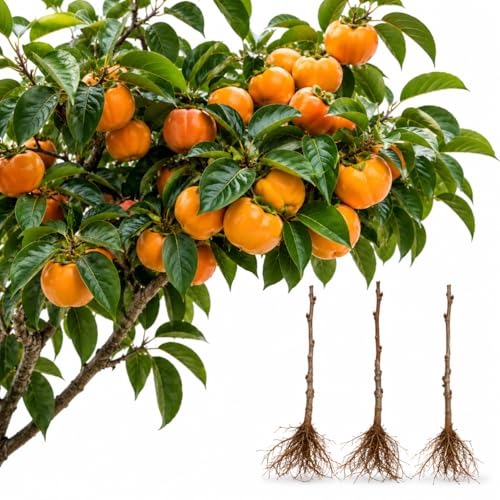
🍊 Live Persimmon Trees: Receive three healthy, well-rooted persimmon plants, perfect for planting together or spacing throughout your garden or orchard.
Soil Testing and Preparation Techniques
Establishing a thriving home orchard in Kentucky begins with understanding the soil. Proper soil testing and preparation are crucial steps that ensure your fruit trees receive the nutrients they need for healthy growth. This section will explore effective techniques to assess and enhance your soil, setting the foundation for a productive and vibrant orchard.
Proper soil preparation is crucial for establishing a healthy orchard. Testing soil pH and nutrient levels ensures that trees receive the necessary elements for growth.
Soil Test: Conduct a test to determine pH and nutrient levels.
Amendments: Add organic matter to improve soil structure.
Tilling: Till the soil to aerate and mix amendments.
Effective Watering Strategies for Fruit Trees
Proper watering is crucial for the success of fruit trees in Kentucky’s diverse climate. Understanding the specific needs of different tree varieties and adapting your watering techniques can significantly enhance growth and fruit production. This section will explore effective strategies to ensure your home orchard thrives through optimal hydration.
Watering is vital for the establishment and growth of fruit trees. Implementing proper techniques can prevent overwatering and underwatering.
Drip Irrigation: Use a drip system for efficient water delivery.
Mulching: Apply mulch to retain moisture and suppress weeds.
Watering Schedule: Water deeply but infrequently to encourage deep root growth.
Integrated Pest Control for Kentucky Orchards
Managing pests is crucial for maintaining a thriving home orchard in Kentucky. Integrated pest control combines various strategies to minimize damage while promoting a healthy ecosystem. By understanding local pest challenges and employing targeted methods, orchardists can protect their fruit trees and enhance overall productivity.
Pests can threaten the health of your orchard. Implementing integrated pest management strategies can help keep your trees healthy.
Regular Inspections: Check trees for signs of pests regularly.
Natural Predators: Introduce beneficial insects like ladybugs.
Organic Pesticides: Use organic solutions as a last resort.
Fertilization Techniques for Kentucky Fruit Trees
Fertilizing fruit trees in Kentucky requires an understanding of the region’s unique soil conditions and climate. Proper techniques can significantly enhance tree health and fruit production. This section delves into effective fertilization strategies tailored to the specific needs of various fruit trees commonly grown in Kentucky.
Fertilizing your fruit trees appropriately ensures they receive the nutrients needed for robust growth and fruit production.
Timing: Fertilize in early spring before new growth starts.
Type of Fertilizer: Use a balanced fertilizer with equal parts nitrogen, phosphorus, and potassium.
Application Method: Spread fertilizer evenly around the root zone.
Pruning Strategies for Optimal Fruit Production
Pruning is a crucial practice for maintaining healthy fruit trees and maximizing their yield in Kentucky’s unique climate. By understanding the right techniques and timing, you can enhance air circulation, sunlight exposure, and overall tree vigor. This section will explore effective pruning strategies tailored for optimal fruit production in your home orchard.
Pruning is essential for maintaining tree health and maximizing fruit yield. Proper techniques can encourage better air circulation and sunlight penetration.
Timing: Prune during the dormant season.
Tools: Use sharp, clean pruning shears to avoid disease.
Techniques: Remove dead or crossing branches and thin out crowded areas.
Optimal Harvesting and Storage Techniques
Understanding the best practices for harvesting and storing fruit is essential for maximizing the yield and quality of your home orchard in Kentucky. Proper techniques not only enhance the flavor and longevity of your fruits but also ensure that your hard work pays off throughout the seasons. Here are some expert insights to help you achieve the best results.
Knowing when and how to harvest your fruit trees ensures the best flavor and shelf life. Proper storage techniques can prolong freshness.
Harvesting Time: Pick fruit when it’s fully ripe for the best taste.
Storage Conditions: Store in a cool, dark place to extend shelf life.
Handling: Handle fruit gently to avoid bruising.
Orchard Problem Identification and Solutions
Identifying and addressing issues in your Kentucky orchard is crucial for maintaining healthy fruit trees. From pest infestations to nutrient deficiencies, recognizing these problems early can save your harvest. This section offers practical solutions to common challenges faced by home orchardists, ensuring your trees thrive throughout the growing season.
Even with the best practices, issues can arise in your orchard. Identifying and addressing these problems promptly is crucial.
Symptoms: Yellowing leaves may indicate nutrient deficiency.
Pests: Look for holes in leaves as a sign of insect damage.
Diseases: Fungal infections can manifest as spots on leaves.
Proper planning and execution can lead to a successful home orchard in Kentucky. By selecting the right trees and employing effective care techniques, you can enjoy a bountiful harvest.
