

Spraying copper fungicide on banana trees is crucial for preventing fungal diseases like black sigatoka and Panama disease. The best times to apply this treatment are during the early growth stages and before the rainy season to maximize effectiveness.
Identifying Fungal Diseases in Banana Trees
Banana trees are susceptible to various fungal infections that can severely affect their health and yield. Common diseases include black sigatoka, which causes leaf spots and can lead to premature leaf drop, and Panama disease, which attacks the plant’s vascular system. Recognizing these threats early helps in timely intervention with copper fungicide.
Fungal Infection Symptoms on Banana Trees
Identifying fungal infection symptoms on banana trees is crucial for effective management and prevention. These symptoms can manifest in various ways, impacting the health and yield of the plants. Understanding what to look for will help in timely intervention and the proper application of treatments like copper fungicide.
Identifying symptoms early is essential for effective treatment. Look for the following signs:
Yellowing leaves
Black or brown spots on foliage
Wilting or drooping leaves
Stunted growth
| Symptom | Primary Suspect | Difficulty (1-5) |
|---|---|---|
| Yellowing leaves | Nutrient deficiency or disease | 2 |
| Black spots | Black sigatoka | 3 |
| Wilting leaves | Panama disease | 4 |
| Stunted growth | Root rot or disease | 3 |
Best Application Times for Copper Fungicide
Understanding the optimal times to apply copper fungicide is crucial for maintaining the health of banana trees. This section outlines the best application periods, taking into account factors such as weather conditions and the growth cycle of the trees. By following these guidelines, you can enhance the effectiveness of the fungicide and protect your banana plants from diseases.
Timing is critical for the effective use of copper fungicide. The best periods for application include:
Before planting: Treat the soil to prevent initial infections.
Early growth stage: Apply when the plants are about 1-2 feet tall.
Before rainy seasons: Apply to protect against increased fungal activity.
Recommended Products
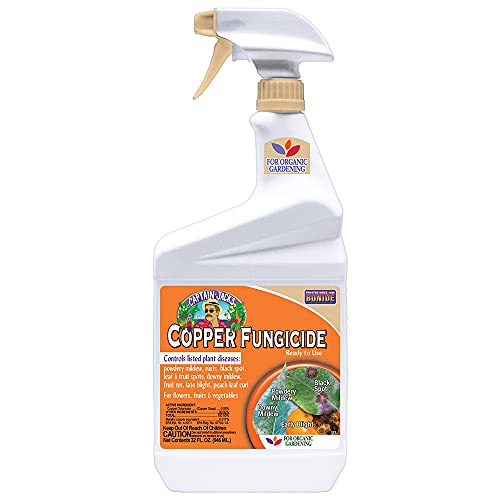
Control fungus and disease in your garden with Captain Jack’s ready-to-use Liquid Copper Fungicide!

Control fungus and disease in your garden with Captain Jack’s Liquid Copper Fungicide Concentrate!

Control fungus and disease in your garden with Captain Jack’s ready-to-spray Liquid Copper Fungicide!
Timing Factors for Copper Fungicide Application
Understanding the timing for applying copper fungicide to banana trees is crucial for effective disease management. Factors such as weather conditions, the growth stage of the plants, and the specific fungal threats present can influence the optimal application period. This section will explore these timing factors to help ensure the health and productivity of your banana trees.
Weather conditions greatly influence fungal growth. The following seasonal factors should be considered:
Humidity levels: High humidity promotes fungal growth.
Rainfall: Rain can wash away fungicide, necessitating reapplication.
Temperature: Warmer temperatures can accelerate fungal development.
Copper Fungicide Application Steps for Banana Trees
Applying copper fungicide to banana trees is essential for preventing and managing fungal diseases. Understanding the correct application steps can significantly enhance the health and yield of your plants. This section outlines the specific procedures to ensure effective treatment and optimal growth for your banana trees.
Proper application of copper fungicide ensures maximum protection for your banana trees. Follow these steps:
Select the right product: Choose a copper-based fungicide suitable for bananas.
Prepare the solution: Mix according to the manufacturer’s instructions.
Wear protective gear: Use gloves and a mask to avoid inhalation.
Spray evenly: Apply the solution to both the upper and lower leaf surfaces.
Reapply as needed: Follow up every 7-14 days, especially after rain.
Recommended Products
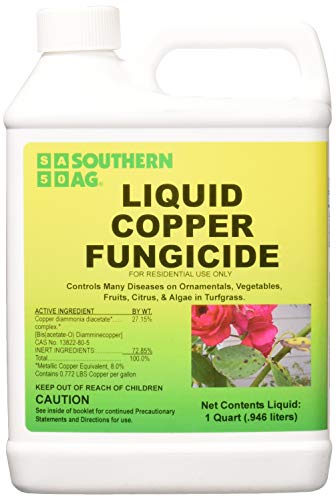
Controls diseases caused by bacteria & fungi

For control of disease on vegetables, ornamentals, Fruit and nut crops & algae in turfgrass

Control plant common plant diseases in your home garden with Copper Fungicide Spray or Dust from Bonide!
Copper Fungicide Application Safety Tips
Applying copper fungicide to banana trees can effectively manage fungal diseases, but safety precautions are essential to protect both the plants and the applicator. Understanding the proper handling and application techniques ensures that the fungicide is effective while minimizing any potential risks. Here are key safety tips to follow during the application process.
Always prioritize safety when handling fungicides. Key precautions include:
Avoid application on windy days to prevent drift.
Do not spray during peak sunlight hours to avoid leaf burn.
Keep pets and children away from treated areas until dry.
Practical Logistics for Fungicide Use
Understanding the practical logistics for applying copper fungicide to banana trees is essential for effective disease management. Timing, weather conditions, and application methods all play a crucial role in maximizing the benefits of this treatment. By following these guidelines, you can ensure your banana trees remain healthy and productive throughout the growing season.
Managing the logistics of fungicide application can enhance its effectiveness. Consider the following:
Equipment needed: Use a backpack sprayer or hand-held sprayer for even coverage.
Storage: Store fungicides in a cool, dry place away from direct sunlight.
Record keeping: Maintain a log of application dates and weather conditions.
| Task | Frequency | Notes |
|---|---|---|
| Initial application | Once before planting | Treat soil thoroughly |
| Early growth application | Every 7-14 days | Monitor for symptoms |
| Seasonal reapplication | Before rainy season | Protect against wash-off |
Recommended Products

DISEASE CONTROL: Disease & Fungus Control controls powdery mildew, rust, black spot, fruit rot, downy mildew, late blight, and other listed diseases

Control fungus and disease in your garden with Captain Jack’s ready-to-spray Liquid Copper Fungicide!

Neudorff Copper Fungicide Controls Listed Plant Diseases: Powdery Mildew, Rusts, Black Spot, Leaf & Fruit Spot, Downy Mildew, Fruit Rot, Late Blight, Peach Leaf Curl and Other Listed Diseases.
Best Practices for Banana Tree Care
Proper care is essential for the health and productivity of banana trees. Understanding best practices can help you cultivate robust plants that resist diseases and yield abundant fruit. This section outlines effective strategies for nurturing your banana trees, ensuring they thrive in various growing conditions.
In addition to fungicide application, other practices can help maintain the health of banana trees:
Regular pruning: Remove dead or infected leaves to improve air circulation.
Soil health: Ensure good drainage and nutrient-rich soil.
Companion planting: Use plants that deter pests and diseases.
Care Routine Adjustments for Banana Trees
Adjusting the care routine for banana trees is essential for their health and productivity, especially when dealing with fungal issues. Understanding the specific needs of these plants can help optimize their growth and resilience. This section will explore practical adjustments to ensure your banana trees thrive while effectively managing potential fungal threats.
Regular monitoring of your banana trees is essential. Adjust your care routine based on observed symptoms and environmental changes.
Always follow the manufacturer’s instructions for any fungicide application to avoid damage to the plants and environment.
