

Have you ever wondered why your avocado tree isn’t bearing fruit? You’re not alone. Many gardeners face this frustrating issue, eagerly waiting for those delicious avocados to appear, only to be met with bare branches.
Key Takeaways
- Age Matters: Avocado trees typically start fruiting between three to five years. Patience is key for younger trees.
- Pollination Needs: Avocado trees require cross-pollination for optimal fruiting; planting both Type A and Type B varieties can enhance success.
- Soil Quality: Healthy, loamy, well-draining soil is vital. Amend it with compost and test for a pH of 6 to 7 to support growth.
- Optimal Conditions: Avocado trees thrive in temperatures between 60°F and 85°F and require at least six hours of sunlight daily.
- Consistent Care: Regular deep watering and appropriate fertilization help boost tree health and fruit yield.
- Pest and Disease Management: Vigilantly monitor your tree for common pests and diseases to maintain its productivity and prevent damage.
Common Reasons For Lack of Avocado Fruit
Several factors can prevent your avocado tree from producing fruit. Understanding these common reasons helps you take the right steps to encourage fruit production.
Recommended Products

Age of the Tree
Maturity is crucial for avocado trees. Most avocado trees start producing fruit between three to five years of age, depending on variety. Young trees often lack the energy and resources needed for fruiting. If your tree is less than three years old, be patient; maturity takes time.
Pollination Issues
Pollination plays a significant role in fruit production. Avocado trees have unique flowering behaviors, often categorized as Type A or Type B. Type A flowers open in the morning and close in the afternoon, whereas Type B flowers do the opposite. If you only have one tree, pollination may be insufficient. Planting at least one of each type nearby can improve pollination rates, leading to more fruit.
Environmental Factors
Environmental factors play a significant role in whether your avocado tree produces fruit. Soil quality, temperature, and climate all impact the tree’s growth and fruiting potential.
Recommended Products

Kindly NOTE: This soil tester can not be applied to test pH value of any other liquid. If the soil is too dry the indicator will not move, and water it before testing.

🌿【3-in-1 Functionality】 Easily measure soil moisture, pH levels, and sunlight intensity with one tool. This all-in-one soil tester helps you understand your plant’s environment and make informed decisions for better growth and health.

2-in-1 Soil Moisture Meter & Soil pH Meter: Designed for beginners, upgraded testing structure, a creative Dual-Dial design, can meet your different needs. Simply unbox and use. This soil meter takes the guesswork out of taking care of your plants and elevates your planting experience to the next level. Helps you to plant lush and healthy house plants.
Soil Quality
Soil quality directly influences root health. Avocado trees thrive in well-draining, loamy soils rich in organic matter. Avoid heavy clay or compacted soils that retain water, as these can lead to root rot.
To improve soil quality, consider the following:
- Test Soil pH: Aim for a pH between 6 and 7. Adjust as necessary with lime or sulfur.
- Amend with Compost: Mix in compost to enhance nutrients and improve drainage.
- Check Drainage: Ensure water doesn’t pool around the roots. If it does, consider creating raised beds or mounds.
Temperature and Climate
Temperature and climate conditions are crucial for avocado fruit development. Generally, avocado trees prefer temperatures between 60°F and 85°F. Extreme temperatures can hinder flower production.
Focus on these conditions:
- Avoid Frost: Protect trees from frost, as temperatures below 30°F can damage flowers and young fruit.
- Provide Sunlight: Ensure your tree gets at least six hours of direct sunlight daily, as this promotes healthy growth.
- Monitor Humidity: Avocado trees prefer moderate humidity. High humidity can lead to fungal issues, while low humidity may impede flowering.
By ensuring optimal soil quality and favorable temperature and climate conditions, you can enhance your avocado tree’s chances of producing fruit.
Care and Maintenance
Proper care and maintenance are crucial for your avocado tree to produce fruit. Attention to watering and fertilization can significantly enhance your tree’s health and fruit yield.
Recommended Products
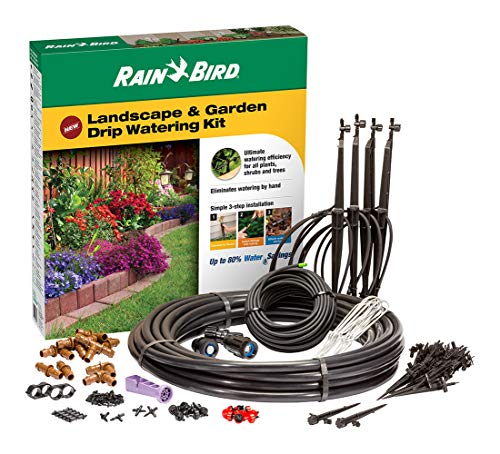
Comprehensive 108-piece kit for flower beds, gardens and landscaped areas; eliminates hand watering, saves time and money

Convenient and portable storage kit contains 102 professional grade universal Drip irrigation parts

NO MORE HARD INSTALLATION - SET UP IN MINUTES. Tired of struggling with stiff barbed fittings? This drip irrigation system features quick-connect fittings that let you push, lock, and secure tubing effortlessly. No tools, no leaks, just a smooth setup experience. Enjoy a frustration-free installation and get your garden watering system running in minutes.
Watering Practices
Water your avocado tree regularly, especially during the growing season. Aim for deep watering, allowing the soil to dry slightly between sessions. Avocado trees prefer moist but not soggy soil.
- Frequency: Water every 1 to 2 weeks, adjusting for rainfall.
- Method: Use a soaker hose or drip irrigation to ensure that water reaches the roots effectively.
- Signs of Overwatering: Look for yellowing leaves or root rot. If you notice these issues, reduce watering immediately.
Fertilization Techniques
Fertilizing your avocado tree encourages lush growth and fruit production. Use a balanced fertilizer designed for fruit trees.
- Timing: Apply fertilizer in early spring and again in mid-summer.
- Type: Choose slow-release fertilizers with an N-P-K ratio of 6-2-6 or similar. Organic options like compost can also be beneficial.
- Application: Spread fertilizer evenly around the base of the tree, avoiding direct contact with the trunk, then water lightly to activate it.
By incorporating these care practices, you enhance your tree’s environment, boosting its chances of producing delicious avocados.
Pests and Diseases
Pests and diseases can significantly impact your avocado tree’s ability to produce fruit. Identifying and addressing these issues promptly helps maintain tree health.
Common Pests
- Avocado Lace Bug: This small, black bug sucks sap from leaves, causing discoloration and leaf drop. Check for fine webbing and use insecticidal soap or neem oil for control.
- Spider Mites: These tiny pests thrive in dry conditions, leading to stippled leaves and webbing. Increase humidity or apply horticultural oil to manage infestations.
- Scale Insects: Scale appears as small, brown or white bumps on stems and leaves. These pests drain nutrients, weakening the tree. Scrape them off with a soft cloth or use insecticidal soap to eliminate them.
- Root Weevils: These larvae damage roots, hindering nutrient uptake. Look for irregular leaf shapes and signs of wilting. Apply beneficial nematodes or a pesticide labeled for root weevil control.
- Root Rot: This disease typically results from overwatering or poor drainage. Symptoms include yellowing leaves and a general decline in tree health. Ensure proper watering practices and improve drainage to prevent root rot.
- Anthracnose: This fungal disease causes dark spots on leaves and can affect fruit production. Remove affected debris and improve air circulation around the tree. Fungicides may help if applied early.
- Crown Rot: This occurs when the base of the tree becomes waterlogged. Symptoms include wilting and browning leaves. Avoid excessive watering and ensure proper drainage to prevent crown rot.
Regularly inspect your avocado tree for signs of pests and diseases to keep it healthy and productive. Staying vigilant helps you enjoy a bountiful harvest.
Conclusion
If your avocado tree isn’t producing fruit don’t lose hope. With a little patience and the right care you can create the perfect environment for your tree to thrive. Remember to check its age and ensure it’s getting the proper pollination.
Pay attention to soil quality and environmental conditions like temperature and sunlight. Regular maintenance like deep watering and pest management can also make a big difference.
By addressing these factors you’ll be well on your way to enjoying homegrown avocados in no time. Keep nurturing your tree and soon enough you might just find those branches heavy with fruit. Happy gardening!
Frequently Asked Questions
Why isn’t my avocado tree producing fruit?
The lack of fruit on your avocado tree could be due to its age, pollination issues, or environmental factors. Most avocado trees start bearing fruit between three to five years old. Additionally, planting Type A and Type B avocado trees nearby can enhance pollination and potentially increase fruit yield.
What type of soil is best for avocado trees?
Avocado trees thrive in well-draining, loamy soils rich in organic matter. It’s essential to test the soil pH and amend with compost to enhance soil health, helping to provide the right nutrients for fruit production.
How can temperature affect my avocado tree?
Avocado trees prefer temperatures between 60°F and 85°F. Extreme temperatures can hinder their growth and fruiting ability. It’s crucial to protect them from frost and ensure they receive ample sunlight and moderate humidity.
What watering practices should I use for avocado trees?
Regular deep watering is essential, allowing the soil to dry slightly between watering sessions. Avoid overwatering, which can cause yellowing leaves or root rot. Using a soaker hose or drip irrigation can help maintain proper moisture levels.
How do I manage pests on my avocado tree?
Common pests include avocado lace bugs, spider mites, and scale insects. Regular inspections are vital for early detection. Implement management strategies like insecticidal soap or neem oil to keep pests in check and promote tree health.
What diseases affect avocado trees?
Diseases like root rot, anthracnose, and crown rot can impact fruit production. Proper watering practices and good drainage are crucial for preventing these issues. Regular checks for pest and disease signs help maintain overall health.
How often should I fertilize my avocado tree?
Use a balanced fertilizer designed for fruit trees, applying it in the spring. Follow the specific timing and application methods to promote growth and fruit development throughout the growing season.
