

Have you ever stared at your fig tree, hoping to see those luscious fruits but only finding leaves? You’re not alone. Many gardeners face the same frustration when their fig trees refuse to produce. It can be disheartening, especially after putting in so much effort to nurture them.
Key Takeaways
- Environmental Conditions Matter: Ensure your fig tree receives warm temperatures above 50°F, at least six hours of sunlight daily, consistent moisture, and well-draining soil rich in organic matter for optimal fruit production.
- Proper Care Techniques: Implement effective cultural practices like correct pruning, moderated fertilization using low-nitrogen formulas, and regular pest and disease management to enhance fruiting potential.
- Understanding Fig Varieties: Recognize whether your fig tree is self-pollinating or non-pollinating. Choose varieties suited to your climate to improve the chances of successful fruiting.
- Seasonal Awareness: Acknowledge how seasonal factors, such as temperature and rainfall, affect your fig tree. Protect your tree from unexpected weather conditions to support healthy fruit development.
- Nutritional Needs: Analyze and amend soil composition when necessary, aiming for a balanced nutrient profile with a pH level of 6.0 to 6.5 to promote healthy growth and fruiting.
- Patience with Young Trees: Understand that young fig trees (under three years) typically focus on leaf and root growth rather than fruiting. With time and care, they will begin to produce as they mature.
Common Reasons For Lack Of Figs
Fig trees may disappoint you with a lack of fruit due to various factors. Understanding these reasons can help you troubleshoot and encourage your tree to produce.
Environmental Factors
Environmental conditions play a crucial role in fig production.
- Temperature: Figs thrive in warm climates. If temperatures drop below 50°F (10°C), trees may not produce fruit.
- Sunlight: Figs require full sun for at least six hours daily. Insufficient sunlight can lead to minimal fruiting.
- Watering: Irregular watering can stress the tree. Consistent moisture, without waterlogging, promotes fruit development.
- Soil Quality: Figs prefer well-draining soil, rich in organic matter. Compacted or poor-quality soil can inhibit growth and fruiting.
Cultural Practices
Your care routine significantly affects your fig tree’s fruiting ability.
- Pruning: Proper pruning encourages growth and enhances fruit production. Remove dead or overcrowded branches in late winter.
- Fertilization: Over-fertilizing can lead to lush foliage but fewer figs. Use a balanced fertilizer sparingly, focusing on low-nitrogen formulas.
- Pest and Disease Management: Pests like fig borers and diseases like leaf spot can hinder production. Regular inspections and timely interventions are essential.
- Variety Selection: Certain fig varieties are more prone to fruiting issues. Research suitable cultivars for your climate to ensure better yields.
Fig Tree Varieties
Fig trees come in several varieties, and understanding these can help you determine why your tree isn’t fruiting. The two main categories are self-pollinating and non-pollinating fig trees.
Recommended Products

🌇 live Chicago Hardy Fig tree 1 gallon is self-pollinating, comes with easy to use Fig food, and produces fresh Fig fruit every Year
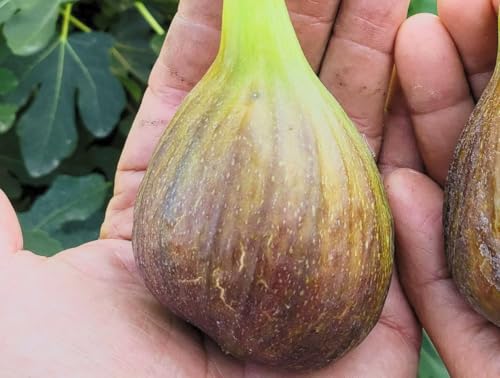
🍇 Large, Sweet Purple Figs – Tangerine-sized fruit with rich red-violet flesh.

MATURE SIZE & CARE GUIDE: The LSU Purple Fig is a prolific producer of sweet, medium-sized figs with glossy dark purple skin and a reddish tint. Fruits are light amber to light strawberry-colored, and you can expect a heavy main crop in July, followed by a later crop often lasting into December. This fig tree can reach a mature height of up to 30 feet, thrives in full sun, is self-pollinating, and requires well-drained soil. It's ideal for USDA Zones 7-10.
Self-Pollinating Vs. Non-Pollinating
Self-pollinating fig trees don’t require other trees for fruit production. Examples include ‘Brown Turkey’ and ‘Celeste.’ These varieties can produce fruits even in isolation, making them a popular choice for home gardeners.
Non-pollinating fig trees, like ‘Smyrna,’ rely on specific pollinators, usually wasps, for fruit development. Without these wasps, these varieties won’t bear fruit. If you grow a non-pollinating variety, check if pollinators are present in your area to ensure fruiting.
Understanding the type of fig tree you have can significantly impact your gardening strategy. Choose varieties that suit your growing conditions and you’ll increase your chances of successful fruit production.
Seasonal Considerations
Understanding seasonal factors is vital for successful fig production. Temperature, sunlight, and rainfall each play a significant role in whether your fig tree produces fruit.
Recommended Products

The Large plant cover is perfect for Plant size 55''-70"high and 84''-94" round, Heavy-weight FRCs (1.77oz./sq. yard): usually used to extend the growing season in spring and fall, allow 40%-60% light transmittance, and recommend 3°-8°F of freeze protection

Revolutionary Anti-freeze Protection: Plant covers freeze protection is made of 100% Reliable non-woven thickened polypropylene fabric Because the frost cloth fabric Thickness is 3.2 oz/yd² thicker and warmer, tear resistant than less expensive 1.3 oz/yd² fabric. Provides up to 2° F(-17℃) frost protection. In winter, frost blankets for outdoor plants can form a insulation layer for plants to isolate cold air and retain the oxygen required for plant respiration

Extra Thick Tree and Plant Covers for Winter: Scrubits Frost Blankets for outdoor plants and Trees will ensure that your Trees and large plants not only survive the winter but thrive and grow to blossom. With its extra thick fabric and long-lasting material, you can be confident about next year's harvest.
Age Of The Tree
Age matters when it comes to fruiting. Young fig trees, typically under three years, focus on growing leaves and roots rather than developing fruit. Patience is key. Once mature, usually around three to five years old, most varieties begin to produce figs. You might notice increased fruiting as the tree ages, especially with consistent care.
Weather Impact
Weather conditions affect fig trees significantly. Figs thrive in warm climates, needing temperatures between 75°F and 95°F for optimal growth. Prolonged cold spells or frost can damage buds, halting fruit development. Additionally, too much rain during flowering can lead to poor pollination, while insufficient water can stress the tree. Pay attention to weather forecasts, and consider providing protective measures, like frost cloths, during unexpected cold snaps.
Nutritional Needs
Figs require specific nutrients for healthy growth and fruiting. Understanding the nutritional needs of your fig tree helps ensure successful fruit production.
Recommended Products

Supports Strong Growth & Fruit Development - Helps promote vigorous branches, healthy foliage, and improved fig production.
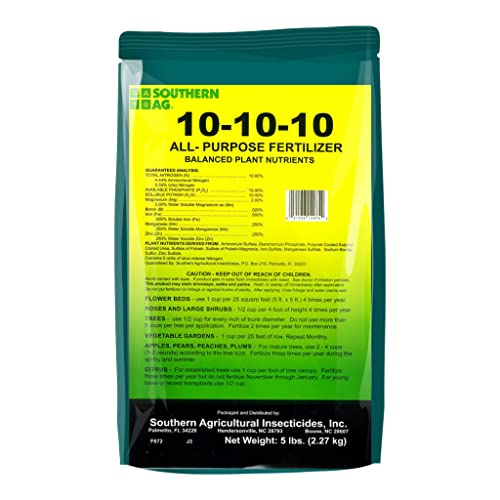

🌿 Balanced 10-10-10 Granular Fertilizer for Outdoor & Indoor Plants: All-purpose plant food with 10% Nitrogen, 10% Phosphorus, and 10% Potassium. Perfect for outdoor vegetable gardens, fruit trees, evergreens, shrubs, lawns, and flowers. Also great for potted plants and indoor gardening. One solution for all your plant needs!
Soil Composition
Soil composition plays a crucial role in fig tree development. Aim for well-draining soil that’s rich in organic matter. Ideal soil combines loam with clay or sandy particles, ensuring proper aeration and drainage. A pH level between 6.0 and 6.5 supports nutrient uptake. Test your soil using a kit from a gardening center to determine its pH and nutrient levels. If necessary, amend the soil with compost or well-rotted manure to boost organic content and provide essential nutrients.
Fertilization Tips
Fertilization enhances fig tree growth and fruit production. Use a balanced fertilizer, such as a 10-10-10 (N-P-K) formulation, during the active growing season. Apply fertilizer in early spring, following the package instructions for the recommended amount. This promotes healthy leaf and root growth, supporting future fruiting. Avoid over-fertilizing, as excessive nitrogen can lead to lush foliage at the expense of fruit. If your fig tree shows nutrient deficiencies, consider using slow-release fertilizers or specific micronutrient foliar sprays. Always water your fig tree after fertilizing to help distribute the nutrients evenly.
Conclusion
Fig trees can be a source of joy and frustration for gardeners. If your tree isn’t fruiting yet don’t lose hope. With a little patience and attention to detail you’ll likely uncover the reasons behind the lack of figs.
Focus on the environmental conditions and ensure your tree is getting enough sunlight and warmth. Consider the type of fig tree you have and its specific needs. Remember that young trees may take a few years to bear fruit.
By nurturing your tree and making necessary adjustments you can increase your chances of enjoying a bountiful harvest in the future. Keep tending to your fig tree and soon enough you might find those delicious figs making an appearance.
Frequently Asked Questions
Why isn’t my fig tree producing figs?
Fig trees may not produce figs due to insufficient sunlight, temperature fluctuations, or poor soil quality. Ensure your tree receives at least 6-8 hours of sunlight daily and is planted in well-draining, nutrient-rich soil.
How can I encourage my fig tree to produce more fruit?
To encourage fruit production, focus on proper pruning, balanced fertilization, and pest management. Ensure you select a suitable variety for your climate and check soil quality regularly.
What are self-pollinating fig varieties?
Self-pollinating fig varieties, like ‘Brown Turkey’ and ‘Celeste,’ can produce fruit without needing another tree for pollination, making them ideal for home gardens.
How does age affect fig tree fruiting?
Young fig trees (under three years) prioritize growth over fruiting. Patience is essential, as most varieties start producing figs after reaching three to five years old.
What are the ideal growing conditions for fig trees?
Fig trees thrive in warm climates with optimal temperatures between 70°F and 85°F. They require well-draining soil, ample sunlight, and protection from extreme weather.
How often should I water my fig tree?
Water your fig tree deeply once a week, or more frequently during dry spells. Ensure the soil is well-draining to prevent root rot, as figs dislike sitting in water.
What nutrients do fig trees need?
Fig trees need well-draining soil enriched with organic matter and a pH level of 6.0 to 6.5. Regularly test your soil and apply balanced fertilizers during the growing season for best results.
