

Ever wondered why some fruit trees thrive while others struggle? Pruning might just be the secret ingredient. If you’ve ever faced a tree that seems to produce less fruit or looks a bit unruly, you’re not alone. Many gardeners grapple with how to keep their trees healthy and productive.
Key Takeaways
- Pruning Enhances Health: Regular pruning significantly improves the health of fruit trees by removing unhealthy branches and promoting robust growth.
- Increased Fruit Quality: By ensuring better sunlight penetration and reducing overcrowding, pruning results in sweeter, juicier fruit and a higher quality harvest.
- Boosted Yields: Proper pruning can lead to a substantial increase in fruit production, with some trees yielding up to 50% more fruit when well-maintained.
- Disease Prevention: Maintaining airflow through pruning lowers the risk of diseases such as powdery mildew and root rot, promoting overall tree health.
- Timely Techniques Matter: Different pruning methods and timing (such as winter versus summer) are crucial for optimizing tree growth, health, and fruit yield.
- Awareness of Misconceptions: Understanding common myths about pruning can prevent poor practices that diminish tree health and fruit production.
Importance Of Pruning Fruit Trees
Pruning fruit trees plays a crucial role in maintaining their health and maximizing their yields. It directly influences the quality of the fruit and the overall growth of the trees.
Recommended Products

· ULTRA-SHARP SK5 STAINLESS STEEL - Engineered with premium SK5 stainless steel, these heavy duty pruning shears deliver razor-sharp precision and maximum hardness. The rust-resistant blades are designed to stay sharp longer, effortlessly resisting corrosion and sap buildup for smooth, friction-free garden shears performance year after year.

CLEAN CUTS FOR LIVE GROWTH: Bypass blade design is ideal for pruning delicate flower stems and green growth, helping reduce crushing and plant damage while cutting stems and small branches up to 5/8” in diameter
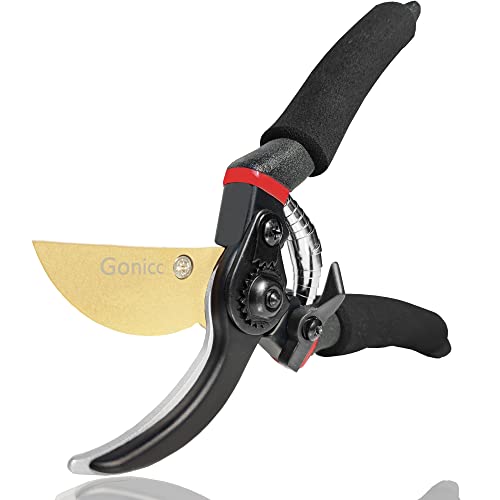
Drop-forged construction delivers exceptional durability and sturdiness for long-term heavy garden use.
Enhancing Fruit Quality
Pruning promotes better fruit quality. By removing excess branches, you allow more sunlight to reach the remaining fruit. Increased sunlight results in sweeter and juicier produce. For example, thinning out fruit clusters ensures that the remaining fruits receive adequate nutrients and space for growth.
Pruning also reduces overcrowding, which can lead to diseases. Healthy trees produce higher-quality fruit, leading to a more successful harvest.
Promoting Healthy Growth
Pruning encourages strong, healthy growth in fruit trees. Cutting back unhealthy or damaged branches allows the tree to redirect energy toward new growth. This energy redirection strengthens the overall structure, making it more resilient to environmental stressors.
Regular pruning shapes the tree’s form, which improves airflow throughout the canopy. Better airflow decreases the risks of fungal infections and pests. For instance, maintaining an open center in your tree encourages air circulation, promoting a healthier environment for your fruit trees.
Pruning stimulates new growth, resulting in more robust branches and higher fruit production in subsequent seasons.
Benefits Of Pruning Fruit Trees
Pruning fruit trees provides multiple benefits that contribute to healthier trees and better harvests. Understanding these advantages helps you appreciate the importance of regular pruning.
Increased Yield
Increased yield stems from effective pruning practices. Removing excess branches and unnecessary foliage allows sunlight to penetrate the canopy, enhancing photosynthesis. This process boosts energy available for fruit production. For instance, apple trees that receive proper pruning often produce 30% to 50% more fruit than those that remain unpruned. By focusing the tree’s energy on the healthiest branches, you’ll improve the quality and quantity of the fruit.
Disease Prevention
Disease prevention is another crucial benefit of pruning. Overcrowded branches create a humid environment where fungal diseases thrive. Pruning opens up the canopy, promoting airflow and reducing moisture accumulation. This change decreases the likelihood of issues like powdery mildew or root rot. For example, peach trees that are pruned regularly show a noticeable reduction in disease incidence compared to unpruned trees. Keeping your trees healthy through proper pruning can lead to consistently better harvests and lower pest pressure.
Techniques For Pruning Fruit Trees
Pruning fruit trees involves specific techniques that enhance their health and productivity. Understanding when and how to prune can significantly impact your tree’s growth and fruit quality.
Recommended Products

DUAL CUTTING POWER: VERSATILE PRUNING COMBO --- With both Pruning Shears and Pruning Snip, this combo delivers unmatched versatility. Whether you're delicately trimming flowers and shrubs, tackling thicker tree branches, or tending to your vegetable and fruit garden, our combo pack excels in all areas. They're also perfect for landscaping projects and maintaining the health and appearance of indoor plants. With this pack, you have a versatile tool that simplifies your gardening tasks.

ULTRA SHARP - Much less effort to cut branches with our pruning shears. Crafted from premium SK5 steel with titanium coating, our garden scissors and garden clippers boast exceptional durability and sharpness. A perfect pruning shears for gardening and a must-have garden tool, hedge clippers pruners for gardening

Reduce Hand Strain: These micro tip snips are made to reduces hand fatigue which makes them great for those with arthritis, carpal tunnel, hand or wrist issues; Comfortable “grip” handles will make it easy to work for long-time use without making you feel hand pain
Timing Of Pruning
Pruning time varies depending on the tree species. Winter is often the best season for most trees, as they enter dormancy. In winter, you can see the tree’s structure without leaves, making it easier to assess where to cut. Aim for late winter or early spring before new growth starts for optimal results. For certain species like cherries or plums, pruning in the summer helps reduce the risk of diseases. Monitor your trees and adjust your timing based on their growth patterns and local climate conditions.
Methods Of Pruning
Several pruning methods exist, and applying the right approach ensures your trees grow strong and fruit abundantly.
- Thinning: This method involves removing entire branches to improve light penetration and air circulation. Focus on crowded areas, removing weaker or crossing branches. This allows stronger branches to receive more nourishment.
- Heading Back: Heading back involves cutting branches to a bud. This encourages denser growth and stimulates the production of new foliage. Use this method on younger trees to shape their structure and promote lateral branching.
- Crown Reduction: Crown reduction minimizes the overall size of the tree’s canopy. It helps maintain a manageable height and improves sun exposure for the inner branches. Ensure not to remove more than one-fourth of the tree’s canopy at once.
- Renewal Pruning: Suitable for older trees, this technique focuses on removing older branches to stimulate new growth. It revitalizes aging trees while maintaining their overall shape.
- Training: In addition to pruning, consider training your trees into specific shapes. This method can optimize space and improve sunlight access. Use stakes or wires to guide young branches toward the desired formation.
Utilizing these techniques effectively ensures healthier trees and better fruit yields. Always use sharp, clean tools to make precise cuts and reduce the risk of introducing diseases.
Common Misconceptions About Pruning
Many misconceptions surround the practice of pruning fruit trees. Understanding these can help you improve your gardening techniques and ensure healthier trees and better yields.
Recommended Products

★ 1. What you get: Professional convenient grafting tool set including a dual-use grafting pruner tool contain 2 extra replaceable blades, a wrench and a screwdriver, along with 36pcs wide rubber bands, 150 thick rubber bands and 1 grafting tape, packed in a black wallet to meet all your needs


Package Includes: Contents 1 Manual gardening grafting cutter and 2 rolls of 2 sizes of grafting tape, meeting your needs.
Myths Versus Facts
Myth: Pruning Harms Trees.
Fact: Proper pruning actually promotes tree health. Removing unhealthy or overcrowded branches allows for better airflow and sunlight penetration, leading to stronger growth.
Myth: Trees Shouldn’t Be Pruned in Their First Year.
Fact: Early pruning can establish a strong framework. Light pruning encourages a well-developed structure, promoting healthy growth in young trees.
Myth: All Branches Should Be Removed.
Fact: Selective pruning is key. Focus on removing only those branches that hinder growth or create overcrowding. Preserve healthy branches to support better fruit production.
Impact Of Misunderstandings
Misunderstandings about pruning can lead to poor tree health and reduced yields.
- Reduced Fruit Production: Believing that pruning is harmful may prevent you from removing necessary branches, ultimately hindering fruit growth.
- Increased Pest Issues: Not pruning can create dense foliage, which traps moisture and promotes fungal diseases. This can lead to pests thriving in overcrowded conditions.
- Mismanagement of Tree Shape: Following misconceptions can result in poorly shaped trees. Ideally, you want a tree structure that maximizes sunlight exposure and air circulation.
- Wasted Resources: Misguided pruning practices can lead to wasted time and effort. Adhering to correct information ensures you invest your resources wisely for the best results.
Conclusion
Pruning your fruit trees isn’t just a chore; it’s a vital step in ensuring their health and productivity. By taking the time to prune regularly, you’re setting the stage for better fruit quality and an abundant harvest.
Remember that each cut you make can redirect energy to the right places, encouraging strong growth and reducing the risk of diseases. With the right techniques and timing, you’ll be well on your way to enjoying sweeter, juicier fruits while maintaining the beauty of your trees.
So grab those pruning shears and give your trees the care they need. You’ll be amazed at the difference it can make in your garden!
Frequently Asked Questions
What is the purpose of pruning fruit trees?
Pruning is essential for maintaining the health and productivity of fruit trees. It helps improve sunlight penetration and airflow, which can lead to better fruit quality, increased yields, and disease prevention. By removing excess branches, pruning encourages strong growth and redirects energy to healthier parts of the tree.
When is the best time to prune fruit trees?
The best time to prune most fruit trees is during winter when they are dormant. This allows for easier assessment of the tree’s structure and minimizes stress on the plant, ensuring that it can recover quickly and produce healthy fruit in the growing season.
What are some common techniques for pruning fruit trees?
Common pruning techniques include thinning, heading back, crown reduction, and renewal pruning. Each method has specific purposes, such as improving light penetration and controlling canopy size. Properly training trees into desirable shapes can also optimize sunlight access and overall growth.
How does pruning affect fruit production?
Effective pruning can lead to a significant increase in fruit production, often by 30% to 50%. By allowing more sunlight to reach the fruit and improving airflow, pruning enhances photosynthesis, which results in sweeter, juicier fruit and healthier tree growth.
Can pruning help prevent diseases in fruit trees?
Yes, pruning can significantly reduce the risk of diseases in fruit trees. By improving airflow and light penetration, it helps lower moisture accumulation that can lead to fungal issues like powdery mildew and root rot, promoting a healthier tree overall.
What misconceptions exist about pruning fruit trees?
Common misconceptions include the belief that pruning harms trees or that it should not occur in the first year. In reality, proper pruning promotes health and growth and can establish a strong framework for young trees. Selective pruning helps maintain tree shape and maximizes fruit production.
