

Have you ever felt frustrated watching your fig tree grow lush and green but fail to produce any fruit? You’re not alone. Many gardeners face this puzzling issue, wondering what went wrong despite their best efforts.
Understanding why your fig tree won’t bear fruit can save you time and disappointment. This article will guide you through common reasons for this problem and offer practical tips to encourage fruit production. With a little knowledge, you can help your fig tree thrive and enjoy the sweet rewards of your gardening efforts.
Key Takeaways
- Environmental Needs: Fig trees thrive in warm climates (75°F to 100°F) and require at least 6-8 hours of sunlight daily for optimal fruit production. Temperature drops below 50°F can hinder development.
- Soil Quality: Well-draining soil with a neutral pH (6.0 to 7.0) is essential for fig trees. Regularly test soil conditions and amend as necessary to improve drainage and nutrient availability.
- Watering Practices: Maintain a consistent watering schedule, providing about 1 inch of water per week. Avoid overwatering while ensuring deep watering to promote root growth.
- Pruning Importance: Regular pruning in late winter helps maintain the tree’s shape and encourages fruit production. Remove dead branches and allow sunlight to reach all parts of the tree.
- Variety Matters: Different fig tree varieties, such as Brown Turkey and Celeste, have unique fruiting patterns. Understanding your tree’s type can help you tailor care strategies for improved yields.
- Seasonal Awareness: Recognize that seasonal growth cycles and climate conditions significantly impact fruit production. Adequate care during these stages can enhance your fig tree’s yield.
Common Reasons for Lack of Fruit
Fig trees may thrive in your garden but still not yield fruit. Understanding the common reasons for this issue can help you make necessary adjustments.
Recommended Products
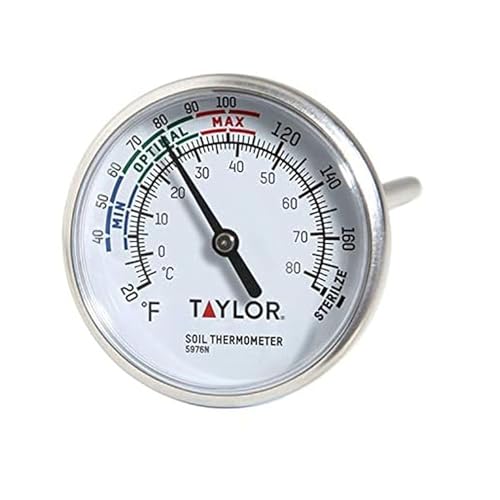
PRECISE SOIL TEMPERATURE READINGS: Measures soil temperatures from 20 degrees F to 180 degrees F (0 degrees C to 80 degrees C) with a large, easy-to-read analog dial face - no batteries or digital screens needed for reliable results every time

【STOP GUESSING—WATER WITH CONFIDENCE】Know exactly when your plants need water. The EDGEVEIL soil moisture meter for plants shows real-time moisture levels and flashes a clear low-moisture alert, helping reduce overwatering, underwatering, root rot, yellow leaves, and unnecessary plant stress. Give every plant the right care at the right time

Quick, at home results for Soil pH, Nitrogen, Phosphorous and Potash Innovative and inexpensive soil test kit features an easy-to-use capsule system and patented color comparators
Environmental Factors
Temperature fluctuations can impede fruit production. Figs prefer warm climates with temperatures between 75°F and 100°F. If the temperature drops below 50°F, it may hinder fruit development. Additionally, insufficient sunlight can prevent fruit from forming. Aim for at least 6–8 hours of direct sunlight daily. Wind exposure can also damage blossoms and affect fruit set, so consider windbreaks if your fig tree is in a windy area.
Soil Conditions
Soil quality plays a crucial role in fig production. Figs prefer well-draining soil with a neutral pH of 6.0 to 7.0. Compacted or overly damp soil can stress the roots and limit fruit production. Conduct a soil test to assess pH and nutrient levels. If needed, amend your soil with organic matter or compost to improve texture and drainage. Regular fertilization can provide your fig tree with essential nutrients, ideally using a balanced fertilizer in early spring.
Fig Tree Care Tips
Caring for your fig tree can significantly improve its chances of producing fruit. Here are some practical tips to ensure your tree thrives.
Recommended Products

Accurate Soil Moisture Detection: The XLUX Soil Moisture Meter can tell you if the soil deep inside your pot or garden is dry, moist or wet; whereas your eyes and fingers can only determine the moisture level of the soil surface. The probe is 5.5 inches (14 cm) longer than regular styles, allowing it to measure the soil moisture at the bottom of larger and deeper flower pots.

Accurate Soil Moisture Detection: The XLUX Soil Moisture Meter can tell you if the soil deep inside your pot or garden is dry, moist or wet; whereas your eyes and fingers can only determine the moisture level of the soil surface. The probe is 5.5 inches (14 cm) longer than regular styles, allowing it to measure the soil moisture at the bottom of larger and deeper flower pots.

Accurate Soil Moisture Detection: The XLUX Soil Moisture Meter detects deep soil moisture in pots or gardens (dry/moist/wet), unlike eyes or fingers that only sense surface soil.
Watering Practices
Watering your fig tree requires a balance. Regularly water your tree during dry spells, but avoid overwatering. Use deep watering methods to encourage roots to grow deeper. Aim for about 1 inch of water per week, either from rainfall or irrigation. During the growing season, check the soil moisture at least once a week. If the top 2 inches of soil feels dry, it’s time to water.
Pruning Techniques
Pruning your fig tree helps maintain its shape and encourages fruit production. Begin by removing dead or diseased branches each winter. Shape the tree to allow light and air through, promoting healthy growth. Focus on pruning during the dormant season, typically late winter. Aim for an open center to ensure sunlight reaches all parts of the tree. Regularly remove suckers or unwanted branches to keep the energy focused on fruit-bearing limbs.
Types of Fig Trees
Fig trees come in several varieties, each exhibiting distinct growth habits and fruiting patterns. Understanding these types helps in troubleshooting fruit production issues.
Recommended Products

WE “HEART FIGS!” Our Whole Wheat Fig Bars are always an excellent choice for families on-the-go in search of a wholesome win-win: convenience and nutrition, all in one

Cold Climate Fig Cultivation: Five Methods Including Overwintering

Common Varieties
- Brown Turkey: Hardy and adaptable, this variety thrives in diverse climates. Brown Turkey figs feature a sweet, rich flavor and produce fruit twice a year.
- Celeste: Known for its delectable, sweet figs, Celeste grows best in slightly cooler areas. This variety produces one crop annually, typically in late summer.
- Kadota: Kadota figs are often greenish-yellow, with a mild, sweet taste. These figs are popular for drying and can yield multiple crops during warmer seasons.
- Mission: Noted for its dark purple skin and sweet flavor, the Mission fig ripens in late summer or fall. This variety is a favorite among home gardeners for its resilience and rich taste.
- Adriatic: Adriatic figs are green to light pink and are renowned for their high sugar content. This variety fruits mid-summer and produces abundantly under optimal conditions.
Their Fruit-Bearing Patterns
Fruit-bearing patterns depend largely on the fig tree variety and environmental conditions.
- Heavy Producers: Varieties like Brown Turkey and Kadota often bear fruit more than once a year, providing ample harvest opportunities. Ensure proper watering and fertilization to optimize yields.
- Single Crops: Varieties like Celeste and Adriatic typically produce one crop annually. For best results, prune these trees during dormancy and maintain ideal soil conditions.
- Timing Factors: Fruit development can be affected by weather conditions. If your area experiences late frosts, figs may abort their fruit. Pay attention to late spring temperatures to mitigate frost damage.
Understanding your fig tree’s variety and its unique fruit-bearing pattern allows you to implement targeted care strategies, enhancing the likelihood of fruit production.
Seasonal Influence on Fruit Production
Seasonal changes play a critical role in the fruit production of fig trees. Understanding these cycles helps you anticipate potential issues and enhance your tree’s yield.
Growth Cycles
Fig trees exhibit distinct growth cycles throughout the year. In spring, they enter a growth phase, producing new leaves and branches. This stage is crucial for flower bud development. If temperatures remain stable, you may see increased bud formation, setting the stage for fruit in summer. During summer, figs develop and ripen. However, if night temperatures drop below 60°F consistently, fruit development may slow, leading to smaller or fewer figs.
To encourage healthy growth cycles, pruning in late winter promotes vigorous spring growth, while ensuring adequate nutrients and moisture supports fruit production during the growing season.
Climate Considerations
Climate directly impacts fig tree fruiting. Regions with mild winters and warm summers favor healthy fig production. High temperatures, particularly between 70°F and 100°F, support optimal fruit setting. Conversely, excessive humidity or prolonged wet conditions can lead to fungal diseases, impacting fruit development.
Additionally, frost can damage blooms. If late frosts threaten your area, consider using frost protection methods like row covers or mulch to insulate the tree. Monitoring seasonal weather patterns helps you manage your fig tree effectively, ensuring optimal fruit production.
Conclusion
Fig trees can be a delightful addition to your garden but it’s frustrating when they don’t bear fruit. By understanding the various factors that influence fruit production you can take steps to improve your tree’s chances.
Consider the environment soil conditions and proper care techniques you’ve learned about. Whether it’s adjusting watering practices or pruning at the right time every little effort counts.
With patience and the right approach you’ll be well on your way to enjoying delicious figs straight from your garden. Happy gardening!
Frequently Asked Questions
Why is my fig tree not producing fruit?
Many factors can lead to a fig tree not producing fruit, including insufficient sunlight, temperature fluctuations, and soil conditions. These issues can impede the development of fruit. Ensuring your fig tree gets enough light and maintaining stable temperatures will help fruit production.
What type of soil do fig trees need?
Fig trees thrive in well-draining soil with a neutral pH. Good drainage prevents root rot, while regular soil testing and fertilization can enhance nutrient availability, promoting healthier growth and increasing fruit production.
How much water do fig trees require?
Fig trees need about 1 inch of water per week. Deep watering encourages root growth, improving the tree’s ability to access nutrients and moisture, which is critical for fruit development.
When should I prune my fig tree?
Prune your fig tree during the dormant season to remove dead or diseased branches and shape the tree. This practice promotes healthier growth and improves fruit production in the growing season.
What are the best fig tree varieties for fruit production?
Heavy producers like Brown Turkey and Kadota can bear fruit multiple times a year, while single crop producers like Celeste and Adriatic typically yield one crop annually. Choosing the right variety is key to maximizing your harvest.
How do seasonal changes affect fig trees?
Seasonal cycles significantly influence fig trees. Spring is crucial for flower bud development, while summer is when figs ripen. Consistent night temperatures below 60°F can hinder fruit development, highlighting the importance of climate conditions in fruiting.
Can late frosts affect fig tree fruiting?
Yes, late frosts can negatively impact fruit development. Protecting your fig tree from late frost events is essential to ensure it produces fruit successfully in the growing season, particularly in areas prone to unexpected temperature drops.
