

Have you ever wondered if you need two red mulberry trees to enjoy their delicious fruit? You’re not alone. Many gardeners face this question when planning their landscape. Imagine planting a beautiful tree only to find out it won’t bear fruit without a partner.
In this article, you’ll discover the truth about red mulberry trees and their pollination needs. You’ll learn whether one tree is enough or if adding another will boost your chances of a fruitful harvest. By the end, you’ll be equipped with the knowledge to make the best choice for your garden and enjoy those sweet, juicy berries.
Key Takeaways
- Cross-Pollination Requirement: Red mulberry trees are dioecious, necessitating at least one male tree for every five female trees to ensure effective cross-pollination and enhance fruit production.
- Optimal Growing Conditions: These trees thrive in USDA zones 5 through 8 and require well-drained soil, full sun exposure (at least six hours daily), and nutrient-rich soil with a pH between 6 and 7.
- Age and Health: Young red mulberry trees typically start to bear fruit in three to five years. Maintaining tree health through regular inspections for pests and diseases, consistent watering, and proper fertilization is crucial for optimal fruit yield.
- Spacing and Placement: Space red mulberry trees at least 20 to 30 feet apart to allow for growth and airflow. Position them within 100 feet of one another to facilitate effective pollination.
- Fruiting Season: Expect fruiting from late spring to early summer, primarily from May to June. Female trees produce sweet dark berries that contribute to a diverse ecosystem by attracting wildlife.
- Practical Care Tips: Regular watering, annual fertilization, and late winter pruning are essential practices to foster healthy red mulberry trees and maximize berry production.
Understanding Red Mulberry Trees
Red mulberry trees (Morus rubra) thrive in a variety of environments and are known for their sweet, edible berries. These deciduous trees grow up to 70 feet tall and prefer well-drained soil and full sun exposure. Specifically, they flourish in zones 5 through 8, making them suitable for many regions across the United States.
Pollination Requirements
Understanding the pollination needs of red mulberry trees is crucial. These trees are dioecious, meaning they have separate male and female trees. A single male tree can pollinate several females, which is beneficial for fruit production. If you want a consistent harvest, plant at least one male tree alongside one or more female trees. This pairing ensures successful cross-pollination and boosts berry production.
Fruiting Characteristics
Fruiting occurs in late spring to early summer, usually from May to June. Female trees produce small, sweet, dark purple to black berries that resemble blackberries in flavor. These berries attract birds and other wildlife, promoting a diverse ecosystem in your garden.
Growing Tips
To enhance fruit production:
- Choose the Right Location: Select a spot with full sunlight and good drainage.
- Plant in Pairs: For optimal pollination, plant one male tree for every three female trees.
- Water Regularly: Ensure consistent moisture, especially during dry spells.
- Prune Properly: Regular pruning helps maintain tree health and encourages productivity.
- How far apart should I plant the trees? Aim for a distance of at least 20 feet between trees to allow for ample growth.
- Can I grow red mulberries in containers? While possible, container growth limits overall size and fruit yield. It’s best to plant them in the ground for maximum benefits.
By understanding these aspects, you can successfully grow red mulberry trees and enjoy a bountiful berry harvest.
Pollination Requirements
Red mulberry trees require specific conditions for successful pollination and fruit production. Understanding these requirements helps you ensure a fruitful berry harvest.
Recommended Products

Mulberries are Beautiful Fruit Bearing Plants that will add spectacular beauty to any home or garden

Mulberry Tree Live Plant 5 To 8 Inch Height, Everbearing Mulberry Bush Live Plant To Grow, Mulberry Plant Live
Self-Pollinating vs. Cross-Pollinating
Red mulberry trees aren’t self-pollinating; they need cross-pollination to produce fruit. Male trees produce pollen that must reach female trees for berries to form. Plant at least one male tree for every five female trees to enhance pollination efficiency. This strategy promotes better fruit set, leading to a more abundant harvest.
Benefits of Cross-Pollination
Cross-pollination increases genetic diversity, resulting in healthier trees and more robust berries. It also boosts fruit production. In optimal conditions, cross-pollinated red mulberries yield larger and sweeter berries than solitary trees.
To maximize your berry yield, consider these steps:
- Plant Diversity: Select different cultivars of red mulberry. This variety aids pollination and benefits overall tree health.
- Strategic Placement: Position your trees within 100 feet of each other to facilitate easy pollen transfer by wind and pollinators.
- Monitor Tree Health: Keep an eye on both male and female trees. Healthy trees contribute to better pollination.
By ensuring proper pollination through cross-pollination, you greatly enhance your chances of enjoying a rich berry harvest.
Factors Affecting Fruit Production
Several factors influence the fruit production of red mulberry trees. Understanding these can help ensure a successful harvest.
Recommended Products
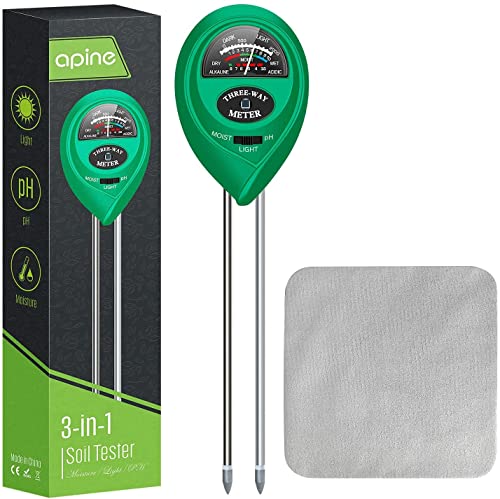
One-Click Three Tests: You only need to put the soil pH test kit probe into the soil about 2 to 4 inches and switch soil moisture,pH value, and light intensity with one key, the three kinds of data are read immediately plug and play


【Great Gadget for Soil pH Testing】Tired of making slurries or mixing up soil solution? Can’t get any change from dial pointer ? YINMIK professional Soil pH meter could help you! Just stick the probe into the soil, and immediately obtain the accurate pH value.
Environmental Conditions
Environmental conditions greatly impact the growth and fruiting of red mulberry trees. These trees thrive in well-drained soil and full sun exposure.
- Soil Quality: Use nutrient-rich soil for optimal growth. Conduct a soil test to determine pH levels; red mulberries prefer a pH between 6 and 7.
- Sunlight: Ensure trees receive at least six hours of direct sunlight each day. Insufficient light can lead to poor flowering and fruiting.
- Climate: Red mulberries perform best in USDA zones 5 through 8. Make sure your local climate fits this range for the healthiest trees.
Tree Health and Age
Tree health and age play crucial roles in fruit production. Young trees may take time to mature and bear fruit.
- Age of Trees: A red mulberry tree typically starts producing fruit in three to five years. Younger trees may not yield a significant harvest until they mature.
- Health Maintenance: Check for signs of pests or diseases. Regular inspections and prompt action help maintain tree health, leading to better fruit production.
- Proper Care: Water consistently, especially during dry spells, and apply mulch to retain moisture. Fertilize annually with a balanced fertilizer to encourage healthy growth and fruiting.
By paying attention to environmental conditions and ensuring the health of your trees, you can significantly enhance fruit production.
Practical Considerations
When planting red mulberry trees, several practical aspects impact successful fruit production. Understanding space, location, and ongoing care ensures you optimize your chances for a bountiful harvest.
Recommended Products

STEADY NUTRITION: Experience Wellspring Gardens’ 20-6-9 Slow-Release Fertilizer, designed to deliver consistent nutrients over time, promoting the development of strong, healthy plants and trees.
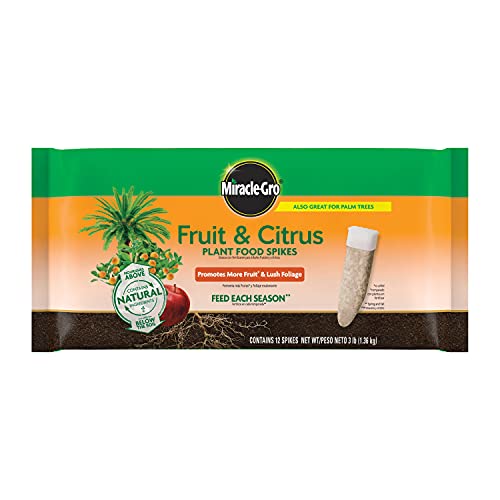
FORMULATED FOR CITRUS AND FRUIT TREES: Use these citrus fertilizer spikes on apple, orange, lemon, lime, and avocado trees; this formula is also great for feeding palm trees

Package contains 4 Pounds organic fruit and citrus fertilizer grains and is produced to avoid wasteful runoff, mess, hazards and smells
Space and Location
Space considerations are crucial when planting red mulberry trees. These trees need enough room to grow, preferably with a minimum distance of 20 to 30 feet between them. This spacing promotes airflow and reduces competition for nutrients. Position trees in an area that receives at least six hours of direct sunlight each day. They thrive in well-drained soil with a pH between 6 and 7. If you plant multiple trees, ensure they’re within 100 feet of each other. This proximity enhances cross-pollination, increasing berry yield.
Care and Maintenance
Proper care and maintenance support healthy growth and fruit production. Water your trees regularly, especially during dry spells. Young trees require about 1 inch of water weekly. Fertilize in the spring using a balanced fertilizer to boost nutrient levels. Pruning during late winter helps shape the tree and encourages fruiting. Scout for pests and diseases regularly. Early detection allows for timely intervention, reducing potential damage. By following these maintenance steps, you’ll foster strong trees that produce delicious berries.
Conclusion
If you’re looking to enjoy the sweet berries of red mulberry trees it’s clear that having at least one male tree alongside your female trees is key. This ensures proper pollination and a fruitful harvest.
By planting them in pairs or small groups you’ll not only boost your berry production but also create a vibrant space in your garden. Remember to keep an eye on their health and provide the right care to maximize your yield.
With the right setup you can look forward to delicious berries that attract both you and local wildlife. Happy gardening!
Frequently Asked Questions
Do I need more than one red mulberry tree for fruit production?
No, you need at least one male and one female tree for optimal fruit production. Red mulberry trees are dioecious, requiring cross-pollination between male and female trees.
How many male trees do I need for pollination?
It’s recommended to plant at least one male tree for every five female trees. This increases pollination efficiency and results in a better berry harvest.
What growing conditions do red mulberry trees prefer?
Red mulberry trees thrive in well-drained soil, full sun, and USDA zones 5 through 8. They prefer a pH level between 6 and 7 and require at least six hours of sunlight each day.
How far apart should I plant red mulberry trees?
Plant red mulberry trees at least 20 to 30 feet apart. This helps promote airflow, reduces competition for nutrients, and improves overall tree health.
How long does it take for red mulberry trees to bear fruit?
Young red mulberry trees may take three to five years to start producing fruit. Proper care and maintenance can accelerate their growth and yield.
What maintenance do red mulberry trees require?
Regular maintenance includes consistent watering, spring fertilization, pruning in late winter, and pest inspections. These practices promote healthy growth and abundant fruiting.
