

Have you ever wondered why your mango tree isn’t producing any fruit? It can be frustrating to care for a tree that seems to thrive yet offers no delicious rewards. You’re not alone; many gardeners face this issue and often feel puzzled by the lack of mangoes.
This article will explore the common reasons behind a mango tree’s failure to fruit. From environmental factors to care practices, you’ll discover practical tips to help your tree reach its full potential. By understanding these factors, you can take steps to encourage fruiting, ensuring that your efforts pay off with a bountiful harvest.
Key Takeaways
- Environmental Conditions Matter: Ensure your mango tree is planted in a warm climate with ample sunlight (6-8 hours daily) and protect it from extreme weather.
- Soil Quality is Key: Use well-draining soil with a pH of 5.5 to 7.5 and incorporate organic matter to support healthy root systems and nutrient absorption.
- Essential Nutrients Required: Provide your mango tree with nitrogen, phosphorus, potassium, calcium, and magnesium to promote growth, flowering, and fruit development.
- Regular Pruning Increases Yield: Prune your mango tree before the flowering period to enhance air circulation, remove dead branches, and stimulate new growth for better fruit production.
- Monitor for Pests and Diseases: Regularly inspect your tree for pests like mango borers and leafhoppers, and take prompt action to manage infestations to protect fruit yield.
- Cultural Practices Ensure Health: Maintain a clean environment around your tree and implement good cultural practices to prevent diseases and improve overall tree health.
Common Reasons For Mango Trees Not Fruiting
Several factors contribute to mango trees not producing fruit. Understanding these reasons can help you address the issue and promote successful fruiting.
Environmental Factors
Mango trees thrive in warm climates. Temperatures below 40°F can inhibit flowering and fruit development. Ensure your tree receives plenty of sunlight, ideally 6-8 hours daily. Excessive rainfall or extreme drought can also impact fruiting. Monitor your area’s weather patterns and provide supplemental irrigation during dry spells while avoiding waterlogging in overly wet conditions.
Soil Health
Soil quality plays a vital role in mango tree productivity. Well-draining soil rich in organic matter supports healthy root systems. Test your soil’s pH; it should ideally range between 5.5 and 7.5 for optimal nutrient absorption. If soil lacks nutrients, incorporate compost or balanced fertilizers, focusing on potassium and phosphorus. Regular mulching retains moisture and enriches soil health, which encourages flowering and fruiting.
Nutrient Requirements
Mango trees require specific nutrients to thrive and produce fruit. Understanding these nutritional needs can help you foster healthier trees and encourage fruiting.
Recommended Products

Let our professionally formulated plant food help your fruit tree grow healthy, strong AND abundantly producing
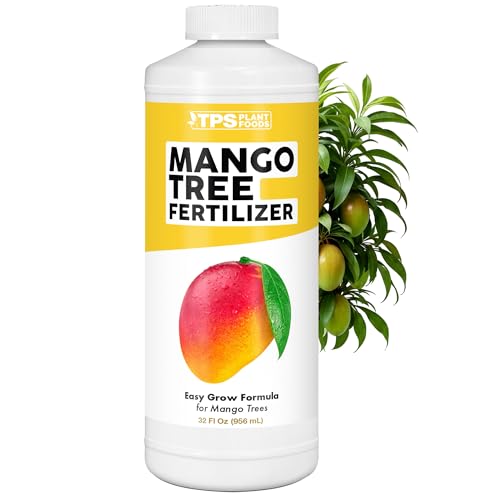
Made for Mango Trees – Formulated to support healthy growth in mango and tropical fruit trees.

Let our professionally formulated plant food help your fruit tree grow healthy, strong AND abundantly producing
Essential Nutrients For Mango Trees
- Nitrogen: Promotes leaf growth and overall tree vigor. Apply a nitrogen-rich fertilizer to boost growth in younger trees.
- Phosphorus: Essential for root development and flowering. Use fertilizers high in phosphorus during the flowering stage to enhance fruit set.
- Potassium: Supports fruit quality and enhances disease resistance. Incorporate potassium-rich fertilizers when fruiting starts for better harvests.
- Calcium: Strengthens cell walls and promotes healthy fruit development. Ensure your soil has adequate calcium levels to avoid issues like blossom drop.
- Magnesium: Aids in photosynthesis and helps leaves remain green. Use magnesium sulfate if leaf yellowing occurs.
- Yellowing Leaves: Indicates nitrogen or magnesium deficiency. Check your tree’s nutrient levels and adjust fertilizer accordingly.
- Poor Flowering: Often a sign of phosphorus deficiency. Applying a phosphorus-rich fertilizer can stimulate blooming.
- Small or deformed fruits: Suggests potassium deficiency. Address this by applying a fertilizer high in potassium.
- Blossom Drop: Can occur due to calcium deficiency. Ensure soil has enough calcium to support healthy fruit set.
Regular soil testing helps identify nutrient needs. Adjusting your fertilization routine based on these signs promotes healthier mango trees and optimal fruit production.
Pruning And Maintenance
Pruning and maintenance play a crucial role in the health and productivity of mango trees. Proper care encourages flowering and fruiting, allowing you to enjoy a bountiful harvest.
Recommended Products

ULTRA SHARP - Much less effort to cut branches with our pruning shears. Crafted from premium SK5 steel with titanium coating, our garden scissors and garden clippers boast exceptional durability and sharpness. A perfect pruning shears for gardening and a must-have garden tool, hedge clippers pruners for gardening

· ULTRA-SHARP SK5 STAINLESS STEEL - Engineered with premium SK5 stainless steel, these heavy duty pruning shears deliver razor-sharp precision and maximum hardness. The rust-resistant blades are designed to stay sharp longer, effortlessly resisting corrosion and sap buildup for smooth, friction-free garden shears performance year after year.

AMBIDEXTROUS DESIGN: Pruner shape is designed for both right and left-handed use while pruning indoor & outdoor plants such as shrubs, ornamental trees, vines, & flowers like roses; SoftGrip handle reduces hand fatigue & enhances comfort and control
Importance Of Proper Pruning
Proper pruning helps shape your mango tree for optimal growth. It removes dead or damaged branches, allowing sunlight to penetrate and air to circulate. Improved airflow reduces the risk of disease. Regular pruning encourages a stronger framework for fruiting, as it stimulates new growth and flowering. Additionally, it balances the tree’s energy between foliage and fruits, promoting better fruit production.
Timing For Pruning Mango Trees
Timing matters when pruning mango trees. Prune during the dry season, ideally just before the flowering period. This timing minimizes stress and encourages healthy regrowth. If you live in a region with a specific flowering season, target your pruning efforts one to two months prior. Avoid heavy pruning immediately after a harvest; this can hinder fruit development for the next cycle. Regular maintenance, including removing suckers and weak branches, enhances overall tree health and fruit yield.
Pests And Diseases
Pests and diseases significantly affect mango trees, leading to poor fruiting or no fruit at all. Addressing these issues is vital for maintaining healthy trees and achieving a fruitful harvest.
Common Pests Affecting Mango Trees
- Mango Borer: The mango borer is a small beetle that targets the tree trunk and branches. It creates tunnels that weaken the tree, leading to reduced fruit production. Inspect your tree frequently for signs of borers and apply insecticides if necessary.
- Leafhoppers: Leafhoppers cause damage by sucking sap from leaves, resulting in yellow or curled foliage. They transmit diseases that further inhibit fruit growth. Use insecticidal soap or neem oil to manage infestations effectively.
- Mealybugs: These small, white, cottony pests suck sap and excrete a sticky substance known as honeydew, which can lead to fungal growth. Regularly check for mealybugs on leaves and stems. Introduce natural predators or consider insecticidal treatments to control their population.
- Fruit Flies: Fruit flies lay eggs inside mango fruits, leading to decay and drop. Hanging traps containing bait can help reduce their numbers, keeping your harvest intact.
- Fungal Diseases: Fungal issues like anthracnose can cause black spots on fruit and leaves. Apply fungicides during wet conditions or when symptoms appear. Ensure proper airflow around your tree to limit moisture buildup.
- Bacterial Diseases: Bacterial wilt can weaken your mango tree and affect fruit yield. Avoid excessive watering and ensure your tree has well-draining soil to mitigate risks.
- Regular Monitoring: Check your mango trees routinely for any signs of pests or diseases. Early detection leads to more effective treatment and may save your fruit.
- Cultural Practices: Implementing good cultural practices helps prevent diseases. Maintain cleanliness around your tree, remove fallen fruit and leaves, and practice crop rotation to limit pest habitat.
- Chemical Treatments: When necessary, utilize appropriate pesticides or fungicides as a last resort. Always follow label instructions to ensure safe and effective application.
By actively monitoring for pests and diseases and implementing effective control strategies, you can boost your mango tree’s health and increase its chances of fruit production.
Conclusion
Getting your mango tree to bear fruit can be a journey filled with learning and adjustments. By paying attention to environmental factors soil health and proper care you can create the perfect conditions for your tree to thrive.
Don’t forget to monitor for pests and diseases as these can also impact fruit production. With a little patience and the right practices you’ll be well on your way to enjoying a bountiful mango harvest. Keep nurturing your tree and soon enough you’ll be rewarded with delicious, juicy mangoes. Happy gardening!
Frequently Asked Questions
Why isn’t my mango tree producing fruit?
Mango trees may not produce fruit due to various factors, including inadequate sunlight, poor soil quality, and inappropriate temperatures. Ensure your tree receives at least 6-8 hours of sunlight daily and that the soil is well-draining with a pH of 5.5 to 7.5. For optimal fruiting, the temperature should remain above 40°F.
What are the key nutrients for mango trees?
Mango trees require several key nutrients: nitrogen for leaf growth, phosphorus for root development and flowering, potassium for fruit quality, calcium for cell structure, and magnesium for photosynthesis. Maintaining balanced nutrition is vital for healthy growth and fruit production.
How can I improve soil health for my mango tree?
To improve soil health, incorporate organic matter like compost and use balanced fertilizers. Ensure the soil drains well and has the right pH level (5.5 to 7.5). Regular mulching and soil testing can also help identify nutrient needs, promoting better growth and fruiting.
When is the best time to prune mango trees?
The ideal time to prune mango trees is during the dry season, just before the flowering period. Proper timing minimizes stress on the tree and encourages healthy regrowth. Pruning helps improve airflow and balances the tree’s energy between leaves and fruit.
What pests should I watch out for on mango trees?
Common pests affecting mango trees include mango borers, leafhoppers, mealybugs, and fruit flies. These pests can harm the tree and reduce fruit yield. Regular monitoring and management strategies, such as insecticidal treatments and traps, are essential for maintaining tree health.
How can I tell if my mango tree has nutrient deficiencies?
Signs of nutrient deficiencies in mango trees include yellowing leaves (nitrogen or magnesium deficiency), poor flowering (phosphorus deficiency), and small or deformed fruits (potassium deficiency). Monitoring these signs can help you adjust fertilization and improve tree health for better fruiting.
