

Ever looked at your avocado tree and wondered why it’s not bearing fruit? You’re not alone. Many avocado lovers face this frustrating situation, especially after putting in the time and care to nurture their trees.
Understanding the reasons behind your tree’s lack of fruit can save you from disappointment and help you enjoy a bountiful harvest in the future. This article will explore common issues that might be affecting your avocado tree, from pollination problems to environmental factors. By the end, you’ll have the insights you need to encourage those delicious avocados to grow.
Key Takeaways
- Pollination Importance: Avocado trees need cross-pollination to bear fruit effectively; consider planting compatible varieties like Hass and Bacon for better results.
- Environmental Conditions: Ensure your avocado tree receives well-draining soil, at least 6 hours of sunlight daily, and monitor weather conditions to protect against extremes.
- Nutrient Requirements: Regular soil tests can identify nutrient deficiencies; apply balanced fertilizers rich in nitrogen, phosphorus, and potassium to promote healthy growth and fruiting.
- Age of the Tree: Recognize that younger avocado trees (under 5 years) may not bear fruit yet, as they focus on growth before yielding.
- Pest and Disease Management: Frequently inspect your tree for pests like aphids or signs of diseases to ensure your tree remains healthy and productive.
- Seasonal Factors: Be aware of seasonal changes and their impacts on flowering; protect trees during late frosts and monitor for heat stress to maintain fruit production.
Understanding Avocado Trees
Avocado trees are subtropical and tropical evergreens, thriving in warm climates. They belong to the Lauraceae family and can grow anywhere from 10 to 40 feet tall. Understanding their growth patterns and life cycle helps you pinpoint reasons for fruitlessness.
Pollination Needs
Avocado trees possess unique flowering behavior. They exhibit both male and female flowers but open at separate times. This phenomenon means one tree may require another nearby for cross-pollination. Planting two different avocado tree varieties can improve the chances of fruit formation. Consider Hass and Bacon varieties for better pollination compatibility.
Environmental Conditions
Avocado trees demand specific environmental conditions. They prefer well-draining soil rich in organic matter. Too much water can lead to root rot, a key reason for a lack of fruit. Ensure your tree receives at least 6 hours of sunlight daily, as insufficient light affects overall fruit production.
Nutrient Requirements
Nutrient deficiencies can hinder fruiting. Avocado trees require nitrogen, phosphorus, and potassium for healthy growth. Test your soil to identify deficiencies. Apply balanced fertilizers per the manufacturer’s instructions to boost fertility and support fruit development.
Age of the Tree
Age plays a crucial role in fruit production. Most avocado trees reach maturity around 5 to 13 years. Younger trees often focus on growth rather than fruiting. If your tree is under this age range, patience is essential.
Pests and Diseases
Pests and diseases can affect flower and fruit production. Common pests include aphids and spider mites, while diseases such as root rot and leaf blight are also concerns. Regularly inspect your tree and treat any signs of infestation promptly.
Seasonal Factors
Weather impacts avocado production significantly. Late frosts can damage flowers and reduce fruit yield. In contrast, extreme heat can stress the tree. Monitor weather conditions and take protective measures during extreme fluctuations, like covering young trees during a frost.
By understanding these essential aspects of avocado trees, you can address the reasons for lack of fruit and take steps to encourage a fruitful harvest.
Common Reasons for No Fruit
Understanding why your avocado tree isn’t producing fruit can help you address the issue effectively. Several factors can contribute to this problem.
Recommended Products

HEALTHY AVOCADO PLANTS: Our Avocado Fruit Fertilizer is formulated to nourish your avocado plants with micronutrients for lush growth and vibrant leaves while preventing yellowing and stunted growth.

FOR USE ON: Use Citrus-tone organic fertilizer for all citrus trees, including lemon, lime, orange, Meyer Lemon Trees as well as for avocado & nut trees
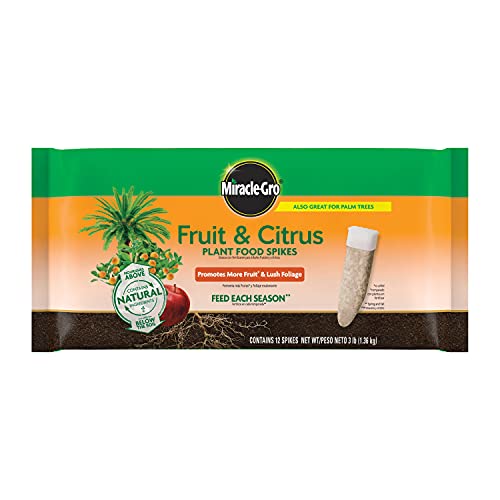
FORMULATED FOR CITRUS AND FRUIT TREES: Use these citrus fertilizer spikes on apple, orange, lemon, lime, and avocado trees; this formula is also great for feeding palm trees
Environmental Factors
Avocado trees thrive in specific conditions. They prefer well-draining soil and plenty of sunlight. Soil that’s too compact or retains too much water can hinder growth. Aim for soil pH between 6 and 7.6. Insufficient sunlight can affect flower production. Ensure your tree receives at least six hours of direct sunlight daily. Additionally, extreme weather events like late frosts can damage blossoms, so protect your tree during unexpected temperature drops.
Pollination Issues
Pollination plays a crucial role in fruit development. Avocado trees feature male and female flowers that open at different times. This means cross-pollination from another compatible tree often enhances fruit set. Consider planting different varieties, such as Hass and Bacon, to improve the chances of successful pollination. Bees and other pollinators are essential, so attracting them to your garden can increase your tree’s fruit yield.
Nutrient Deficiencies
Nutrients are vital for healthy growth and fruit production. Nitrogen, phosphorus, and potassium are particularly important for avocado trees. Use a balanced fertilizer designed for fruit trees to ensure proper nutrient levels. Regular soil tests can help you monitor nutrient availability. If your tree’s leaves appear yellow or have spots, these may indicate specific nutrient deficiencies. Address these concerns with targeted fertilization based on your soil test results.
Seasonal Considerations
Understanding seasonal factors is vital for ensuring your avocado tree bears fruit. These elements significantly influence flowering and fruiting patterns.
Recommended Products

Revolutionary Anti-freeze Protection: Plant covers freeze protection is made of 100% Reliable non-woven thickened polypropylene fabric Because the frost cloth fabric Thickness is 3.2 oz/yd² thicker and warmer, tear resistant than less expensive 1.3 oz/yd² fabric. Provides up to 2° F(-17℃) frost protection. In winter, frost blankets for outdoor plants can form a insulation layer for plants to isolate cold air and retain the oxygen required for plant respiration

PACKAGE: The package includes 4Pcs plant covers,will meet your daily use or replacement. Measuring 31.5" x 47.3", the plant protector is waterproof, windproof.

BETTER SOLUTION FOR DOING ORGANIC GARDENING:If you are doing organic gardening, or just want to reduce pesticide use, Remiawy shrub winter covers are the better choice for you. Reusable season after season,this quality winter shrub cover is made from tear-proof and breathable fabric. The material allows air and moisture to reach plants. Remiawy plant covers for animal protection will help protect branches buds and fruits from hungry deer,rabbits,worms and birds
Age of the Tree
The age of your avocado tree plays a crucial role in its fruit production. Trees typically begin to bear fruit between 5 to 13 years old. Younger trees often prioritize vegetative growth over fruiting. If your tree is still in its early years, it might simply be gaining strength for future fruiting. Additionally, certain varieties produce fruit earlier than others. For example, the ‘Hass’ variety may start producing earlier than other types, so consider your specific variety when assessing its maturity.
Climate Impact
Climate impacts avocado fruit production significantly. Avocado trees thrive in subtropical and tropical environments. They require temperatures between 60°F to 85°F for optimal growth. Late frosts can damage flowers, leading to poor fruit set. If temperatures dip unexpectedly, consider covering your trees during cold snaps. Extreme heat, especially above 100°F, can also stress trees, causing them to drop flowers or fruit. Providing shade or adequate water during heat waves can help protect your plants. Always monitor local weather patterns to prepare for seasonal changes that may affect your tree’s health and productivity.
Solutions and Tips
Addressing the challenges of your avocado tree not bearing fruit involves understanding specific solutions and implementing effective strategies.
Recommended Products
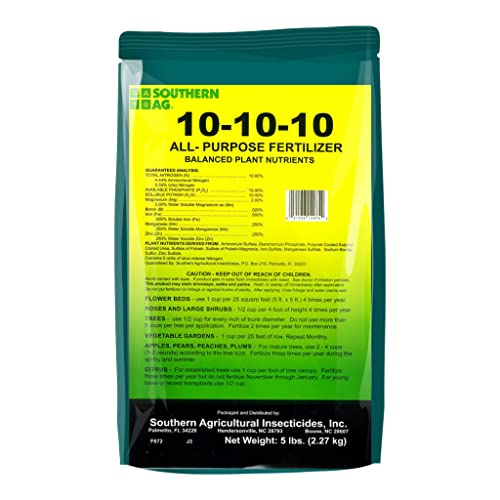

Supports Strong Roots & Growth – This avocado fertilizer helps promote deep root development, healthy foliage, and overall plant strength.

Made for Avocado Plants - This tomato fertilizer is formulated to support healthy growth and fruiting for tomato plants in gardens and containers.
Improving Pollination
Increase pollination success by planting multiple avocado tree varieties. Plant at least two compatible types, like Hass and Bacon, to promote cross-pollination. Pollinators, such as bees, are essential. Attract them by planting flowers nearby, like lavender or marigolds. Consider hand-pollination if natural pollinators are scarce. Gently move pollen from the male flowers to the female flowers using a small brush.
Fertilization Strategies
Enhance your avocado tree’s nutrient intake with balanced fertilizers. Select a fertilizer with equal parts nitrogen, phosphorus, and potassium, such as a 10-10-10 formulation, applied in early spring and late summer. Conduct soil tests to identify nutrient deficiencies. Apply organic amendments like compost or well-rotted manure twice a year to boost soil health. Monitor the tree’s response and adjust the fertilization schedule based on growth and health indicators.
Conclusion
Getting your avocado tree to bear fruit can be a journey filled with learning and patience. By understanding the unique needs of your tree and addressing factors like pollination, soil quality, and environmental conditions, you can create a thriving environment for fruit production.
Remember that every tree is different and it might take time for yours to reach its full potential. With a little care and the right strategies, you’ll be well on your way to enjoying delicious homegrown avocados. Keep nurturing your tree and don’t hesitate to reach out for help if you need it. Happy gardening!
Frequently Asked Questions
Why isn’t my avocado tree producing fruit?
Avocado trees may not produce fruit for several reasons, including insufficient pollination, poor environmental conditions, or nutrient deficiencies. Make sure you have both male and female flowers, provide adequate sunlight, and maintain proper soil health to encourage fruiting.
How can I improve pollination for my avocado tree?
To improve pollination, consider planting compatible avocado varieties like Hass and Bacon. These varieties produce flowers at different times, promoting cross-pollination. Attracting bees and other pollinators can also enhance fruit set.
What soil conditions do avocado trees need?
Avocado trees thrive in well-draining soil with a pH between 6 and 7.6. Ensure the soil retains some moisture but drains excess water to prevent root rot. Regular soil tests can help adjust nutrient levels.
How much sunlight do avocado trees require?
Avocado trees need at least six hours of direct sunlight daily to grow and produce fruit effectively. Lack of sunlight can stunt their growth and reduce fruit production.
Do younger avocado trees produce fruit?
Younger avocado trees, typically under 5 years old, focus more on growth rather than fruiting. Most trees reach maturity between 5 to 13 years and are more likely to produce fruit once established.
What are the effects of pests on avocado trees?
Pests can significantly impact flower and fruit production in avocado trees. Regular inspections and prompt treatments for infestations can help maintain the health of your tree and enhance fruit yield.
How can weather affect my avocado tree’s fruit production?
Seasonal weather factors like late frosts and extreme heat can damage flowers and fruit. Monitor weather conditions and take protective measures as necessary to shield your avocado tree from these stresses.
What type of fertilizer should I use for my avocado tree?
Use a balanced fertilizer with equal parts nitrogen, phosphorus, and potassium to support healthy growth. Organic amendments can also boost soil health and nutrient availability for your avocado tree. Regular soil tests can help determine specific nutrient needs.
