

Have you ever wondered why trees produce fruit? It’s a fascinating topic that goes beyond just the delicious snacks we enjoy. Trees have developed this unique way of spreading their seeds and ensuring the survival of their species.
Think about it: every time you bite into a juicy apple or peel a banana, you’re witnessing nature’s clever strategy in action. This article will explore the reasons behind fruit production, highlighting the benefits it brings to both trees and the environment. By the end, you’ll have a deeper appreciation for the role fruit plays in the ecosystem and how it connects us all.
Key Takeaways
- Reproductive Role: Fruit is essential for tree reproduction, acting as a protective vessel for seeds and facilitating their dispersal through animal interactions.
- Nutrient Source: Fruits provide vital nutrients, including carbohydrates and vitamins, necessary for seed growth and initial development after planting.
- Diverse Fruit Types: Trees produce various fruit types, including simple, aggregate, and multiple fruits, each with unique characteristics that aid in seed dispersal and survival.
- Ecosystem Connection: Fruits play a crucial role in ecosystems by attracting pollinators and supporting wildlife, which helps in seed dispersal and promotes biodiversity.
- Influencing Factors: Environmental conditions (temperature, light, and soil fertility) and genetic factors significantly affect the quality and yield of fruits produced by trees.
- Symbiotic Relationships: The interaction between fruit-producing trees and animals creates mutually beneficial relationships that sustain healthy ecosystems and enhance species survival.
The Purpose of Fruit in Trees
Fruit plays a crucial role in the life cycle of trees. It serves mainly to facilitate reproduction and enhance the survival of tree species.
Recommended Products

Product Quantity: 180+ premium bonsai fruit seeds across 5 varieties; Individual packs contain 40+ apple, 40+ lemon, 40+ orange, 20+ blueberry, and 40+ cherry seeds; Perfect for starting a diverse miniature orchard
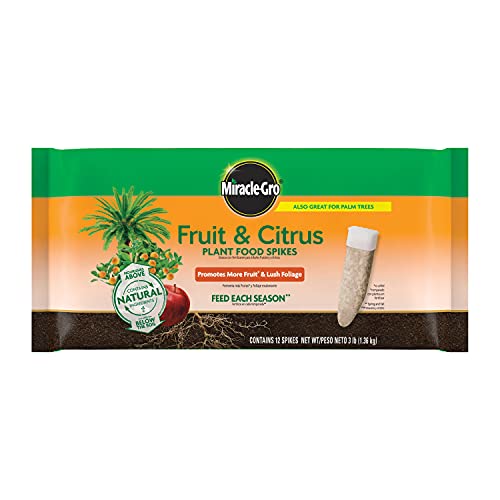
FORMULATED FOR CITRUS AND FRUIT TREES: Use these citrus fertilizer spikes on apple, orange, lemon, lime, and avocado trees; this formula is also great for feeding palm trees
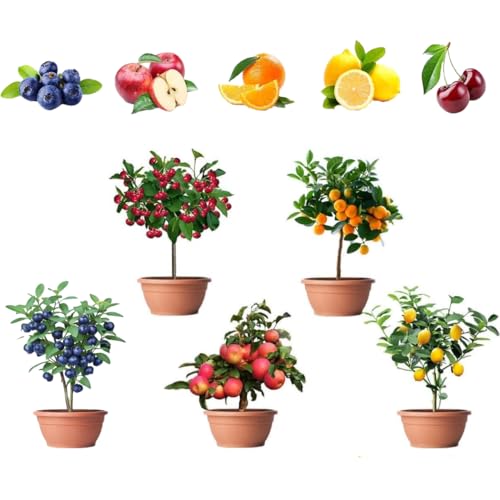
Variety Pack of 5 Fruits: Includes 40 Lemon seeds, 40 Orange seeds, 40 Apple seeds, 20 Cherry seeds, and 20 Blueberry seeds for a colorful and diverse home garden
Reproduction and Seed Dispersal
Fruit acts as a protective vessel for seeds, allowing them to develop securely. When ripe, fruit attracts animals with its color and fragrance. As animals consume the fruit, they ingest the seeds contained within. This process not only aids in dispersing seeds away from the parent tree but also enhances germination rates. For example, birds eat berries and later excrete the seeds far from the original plant, promoting diversity in the ecosystem.
Nutritional Needs for Development
Fruit provides essential nutrients for the seeds. It contains carbohydrates, vitamins, and minerals helpful for seed growth. The energy stored in fruit fuels the seed’s initial development once planted. For instance, an acorn’s nourishment comes from the nut it grows into. This energy allows the seedling to establish roots and leaves, vital for its survival and growth into a mature tree.
Types of Fruit Produced by Trees
Trees produce various types of fruit, each serving unique purposes in seed dispersal and survival strategies. Understanding these categories enhances your appreciation of their ecological roles.
Recommended Products

Package: 5 Individual Packs, 40+ Lemon Tree Seeds 40+ Cherry Tree Seeds 40+ Orange Tree Seeds 40+ Apple Seeds 20+ Blueberry Seeds

4 kinds of the most popular fruits, individually packaged, 50pcs Lemon seeds 50pcs Cherry seeds 50pcs Orange seeds 50pcs Apple seeds Fresh seeds, all fruit seeds are packed in tear and moisture resistant zipper sealed bags for your long term storage.

Let our professionally formulated plant food help your fruit tree grow healthy, strong AND abundantly producing
Simple Fruits
Simple fruits develop from a single ovary of a single flower. They can be either fleshy or dry. Fleshy types include:
- Drupes: These fruits contain a hard stone or pit encased in fleshy tissue. Examples include peaches, cherries, and olives.
- Berries: These are juicy and often contain multiple seeds. Examples include tomatoes, grapes, and bananas.
Dry types include:
- Capsules: These fruits split open to release seeds. Examples include poppies and cotton.
- Achenes: These small, dry fruits have a single seed attached to the ovary wall. Examples are sunflowers and dandelions.
Aggregate and Multiple Fruits
Aggregate fruits form from multiple ovaries of a single flower. Each ovary develops into a small, individual fruit. This results in a collection of fruits fused together. Examples of aggregate fruits include:
- Raspberries: Each small “drupelet” comes from a separate ovary.
- Blackberries: Similar to raspberries, they also develop from multiple ovaries of one flower.
Multiple fruits arise from clusters of flowers, each with its ovary, which fuse to form a single fruit. Examples include:
- Pineapples: This fruit originates from several flowers that merge together.
- Figs: The unique structure of figs involves a collection of small flowers that develop into one fruit.
Understanding these fruit types highlights the diverse methods trees use to ensure their survival and reproduction. Each type of fruit plays a critical role in attracting animals for seed dispersal and ensuring genetic diversity within ecosystems.
The Role of Fruit in Ecosystems
Fruit plays a vital role in ecosystems, connecting trees, animals, and the environment. It acts as a source of nutrition while facilitating essential biological processes.
Recommended Products

Irresistible Bee Magnet: Our 2oz Honey Bee Attractant is expertly crafted to lure in Honey Bees with its enticing blend of natural ingredients, including fresh Lemongrass Oil. Beekeepers will find it a must-have addition to their beekeeping supplies for thriving honeybee gardens. Say hello to a space buzzing with natural pollinator activity.

【NATURAL BEE ATTRACTANT】: This outdoor spray is specially formulated to attract bees to your garden naturally.

🐝【Natural Formula 50ml Bee Swarm Attractant Spray】This 50ml bee lure adopts plant-based natural ingredients, no harsh chemical additives that harm bees, flowers or crops. The mild natural scent effectively draws honey bee swarms, forager bees and pollinators without damaging your garden ecosystem.
Attracting Pollinators
Fruit-producing trees often attract pollinators through vibrant flowers and appealing scents. Pollinators, such as bees and butterflies, are drawn to these trees for nectar. As they collect nectar, they transfer pollen between flowers, aiding in fertilization. For instance, apple trees rely on bees to transfer pollen, resulting in fruit formation. This interaction not only increases fruit yield but also supports tree reproduction.
Supporting Wildlife
Fruit provides critical nourishment for various wildlife species. Animals seek out fruits as a primary food source, especially during specific seasons when food may be scarce. Birds, deer, and other mammals consume fruit, promoting seed dispersal through their droppings. For example, when birds eat berries from bushes, they help disperse seeds over long distances, fostering genetic diversity in different locations. This symbiotic relationship benefits both trees and wildlife, sustaining healthy ecosystems.
Factors Influencing Fruit Development
Fruit development in trees relies on several key factors that interact to produce the results you see in nature. Understanding these influences helps you appreciate how trees create fruits, supporting their reproduction and survival.
Environmental Conditions
Environmental conditions play a crucial role in fruit development. Factors like temperature, light, and soil nutrients directly affect fruit quality and yield.
- Temperature: Warmer temperatures often enhance floral development. For example, apple trees bloom earlier in warmer climates, which can lead to increased fruit production.
- Light: Adequate sunlight is essential for photosynthesis, leading to healthier trees and better fruit. Citrus trees, for instance, yield more fruit with ample sunlight exposure.
- Soil Fertility: Nutrient-rich soil supports robust growth. Trees in fertile soils produce larger, juicier fruits. For instance, banana trees thrive in nutrient-dense environments, resulting in sweet and abundant harvests.
Genetic Factors
Genetic factors also significantly influence fruit development. The genetic makeup of a tree determines its fruit size, shape, and taste.
- Species Traits: Different tree species produce distinct fruits based on their genetic characteristics. For instance, peaches possess a fuzzier skin compared to nectarines due to their genetic differences.
- Hybridization: Breeding between different species can create hybrids with unique fruit traits. Crossbreeding citrus varieties results in fruits like tangelos, combining the best traits of both ancestors.
- Adaptability: Trees adapt to their environment over generations. Genetic variations allow trees to produce fruits suited to their specific habitats, enhancing survival chances.
By grasping how environmental conditions and genetic factors shape fruit development, you gain insight into the intricate processes that sustain tree species and ecosystems.
Conclusion
Trees and their fruit are a beautiful example of nature’s ingenuity. By understanding the reasons behind fruit production you can appreciate the vital role it plays in maintaining ecosystems and supporting wildlife.
From attracting pollinators to nourishing seeds, fruit serves as a bridge connecting trees to the broader environment. So next time you enjoy a juicy apple or a sweet banana remember that you’re not just indulging in a tasty treat but also participating in a much larger cycle of life.
Embracing this knowledge can deepen your connection to nature and inspire you to protect the trees and the rich ecosystems they support.
Frequently Asked Questions
Why do trees produce fruit?
Trees produce fruit primarily for seed dispersal and reproduction. Fruit attracts animals with its color and scent, encouraging them to eat the fruit and disperse the seeds, which helps ensure the survival of tree species and promotes biodiversity.
What are the main types of fruit produced by trees?
The main types of fruit include simple fruits (fleshy or dry), aggregate fruits (from multiple ovaries of one flower), and multiple fruits (from clusters of flowers). Each type serves different purposes in seed dispersal and survival strategies for trees.
How do fruit and trees benefit ecosystems?
Fruit-producing trees attract pollinators, provide food for wildlife, and promote seed dispersal through animal droppings. This relationship sustains healthy ecosystems, enhances genetic diversity, and supports the life cycles of various species, including trees.
What factors influence fruit development in trees?
Fruit development is influenced by environmental factors such as temperature, light, and soil nutrients. Warmer temperatures and adequate sunlight boost floral development and photosynthesis, while nutrient-rich soil supports overall tree growth and fruit quality.
How does fruit serve as protection for seeds?
Fruit acts as a protective vessel for seeds, safeguarding them from environmental threats and predators. By entraping seeds within its flesh, fruit also aids in nutrient delivery, ensuring seeds receive the essential resources needed for growth.
