

Have you ever wondered why your fruit trees aren’t producing as much as you hoped? Proper pruning might be the missing piece of the puzzle. Knowing when to prune can make a huge difference in the health and productivity of your trees.
Imagine standing in your backyard, surrounded by lush greenery, but your fruit trees seem to be struggling. You want them to thrive, but you’re unsure of the right timing. This article will guide you on the best times to prune your fruit trees, ensuring they flourish and bear delicious fruit. With a little knowledge, you can transform your garden into a fruitful paradise.
Key Takeaways
- Optimal Pruning Timing: Prune fruit trees during the dormant season (late winter to early spring) for better healing and minimal stress, or during the active growth season (late spring to summer) for shaping and management.
- Benefits of Pruning: Regular pruning improves air circulation, enhances sunlight exposure, maintains a better tree structure, increases fruit quality, stimulates growth, and prevents overcrowding.
- Pruning Techniques by Tree Type: Different fruit trees require specific pruning methods; for instance, prune apple trees for strong structure, peach trees for open-center shape, and citrus trees for light maintenance throughout the year.
- Avoid Common Mistakes: Prevent reduced yields by avoiding pruning at the wrong time, over-pruning, using unclean tools, neglecting tree shape, pruning without a plan, timing cuts incorrectly, and pruning during fruit development.
- Focus on Tree Health: Prioritize removing dead or diseased branches while maintaining a balance to support healthy growth and fruit production.
Importance Of Pruning Fruit Trees
Pruning fruit trees is essential for maintaining their health and maximizing productivity. Proper pruning encourages new growth and enhances fruit quality. Here are the key benefits of pruning:
Improved Air Circulation
Improved air circulation reduces the risk of diseases. Thinning out branches prevents moisture buildup, which can lead to fungal infections. You promote a healthier environment for your trees by allowing air to flow freely.
Enhanced Sunlight Exposure
Enhanced sunlight exposure increases fruit production. By selectively removing branches, you allow sunlight to reach all parts of the tree. This encourages even ripening and improves fruit size.
Better Shape and Structure
Better shape and structure lead to stronger trees. Pruning helps develop a solid framework that supports heavy fruit clusters. Uniform shape also eases fruit harvesting, making it easier for you to pick ripe fruit.
Increased Fruit Quality
Increased fruit quality results from focused energy. When you prune, you redirect resources to fewer fruit, leading to larger and tastier produce. This focus on quality over quantity can transform your harvest.
Stimulated Growth
Stimulated growth ensures robust trees. Regular pruning encourages the formation of new shoots. These new shoots can lead to more flowers and, subsequently, more fruit.
Prevention of Overcrowding
Prevention of overcrowding minimizes competition among branches. When trees are crowded, they compete for nutrients, water, and sunlight. Thinning keeps the canopy open, ensuring every part of the tree thrives.
Pruning at the right time further enhances these benefits. Understanding when to prune maximizes the advantages and helps you cultivate healthy, productive fruit trees.
Best Time To Prune Fruit Trees
Proper timing for pruning enhances fruit tree health and productivity. The best times to prune depend on the growth stage of the tree, specifically during the dormant season or the active growth season.
Dormant Season
Pruning during the dormant season occurs in late winter or early spring, before new growth starts. This timing promotes better healing and minimizes stress on the tree. Signs that it’s the right time include temperatures consistently above freezing and the absence of snow.
Benefits of dormant pruning:
- Rejuvenation: Cuts stimulate new growth, improving the tree’s shape and structure.
- Visibility: Leaves are gone, so branch structure is clearer, making it easier to identify which branches to remove.
- Disease Prevention: Lower chance of infection as trees focus on healing.
Active Growth Season
Pruning during the active growth season happens in late spring through summer. It can help manage tree shape and size, but it requires caution. Pruning too late can hinder fruit set and leave trees vulnerable to disease.
Benefits of active growth pruning:
- Shaping: Adjusts the tree’s size and structure as it grows, ensuring good airflow and sunlight penetration.
- Targeted Cuts: You can remove excessive new growth and allow energy to focus on fruit development.
Overall, understanding these two key periods for pruning fruit trees maximizes health, shape, and productivity for a fruitful garden.
Pruning Techniques For Different Fruit Trees
Pruning techniques vary by fruit tree type and their specific growth habits. Understanding these nuances helps you optimize tree health and productivity.
Recommended Products
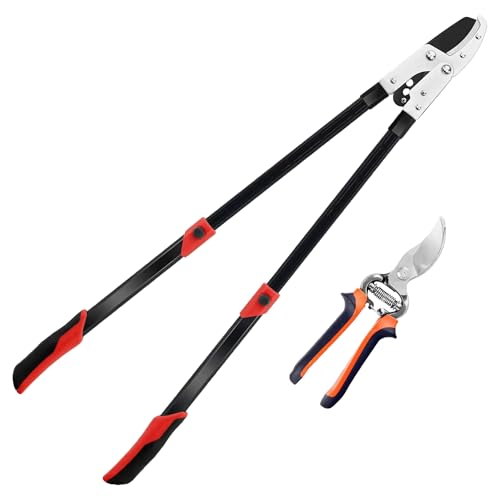
LONG LASTING SHARP: tree branch cutter alloy steel blade with teflon coated and low-friction coating that will long lasting sharp after tough job. Tree pruner is ideal for trimming green living or dry branches, chop through thick branches effortlessly

IDEAL BRANCH TRIMMER: 28" Steel blade garden bypass lopper that glides through up to 1.5" thick branches for easy cuts; Works well for trimming tree branches to maintain your yard and garden, and to encourage overall plant health and appearance
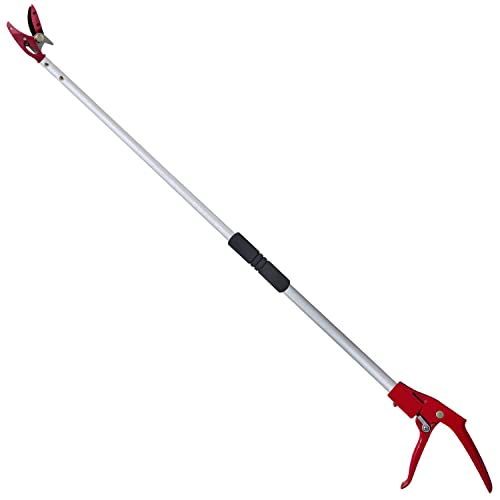
Professional long reach pruners, super lightweight but effective tree trimmer with 4 foot alloy aluminum pole, sturdy and quality construction, ideal for pruning on live branches, small trees, high thin stems and overgrown plants, even picking fruit, without having to bend and kneel, without climbing a ladder, easy low cut or reaching into dense/prickly bushes
Apple Trees
Prune apple trees during late winter or early spring while they’re dormant. Focus on removing dead, damaged, or crossing branches. Thin out crowded areas to enhance airflow and light penetration. Aim to maintain a central leader for strong structure. Create an open tree form to ensure sunlight reaches all parts. Regular pruning encourages better fruit quality and can increase yield.
Peach Trees
Peach trees benefit from pruning in late winter or early spring as well, just before they begin to bloom. Remove any dead or diseased limbs first. Focus on shaping the tree into an open-center form. This structure minimizes crowding and maximizes sunlight exposure. Cut back last year’s growth by about one-third for vigorous fruit production. Regularly thinning the fruit can also help direct the tree’s energy into fewer, high-quality peaches.
Citrus Trees
Citrus trees require light pruning throughout the year, but focus primarily on late winter or early spring. Remove any dead or crossing branches to maintain a healthy shape. Thin out the canopy to allow sunlight through, which improves fruit quality. Retain a strong structure by avoiding excessive canopy density. Generally, only prune lightly, as over-pruning can lead to reduced fruit production. Regular maintenance ensures the tree remains healthy and fruitful.
Common Mistakes To Avoid
Pruning fruit trees requires careful attention to avoid setbacks. Here are some common mistakes you might encounter:
Pruning At The Wrong Time
Pruning during the wrong seasonal period can lead to reduced fruit yields. Focus on pruning during the dormant season for most fruit trees. For those sensitive to timing, avoid pruning in late fall, as this can stimulate new growth that won’t survive winter.
Over-Pruning
Removing too many branches can stress the tree, impacting its ability to bear fruit. Limit pruning to about 20–30% of the tree’s growth in a single year. Always prioritize the removal of dead or diseased branches.
Neglecting Clean Tools
Using unclean or dull tools can spread disease among trees. Always disinfect pruning shears between cuts, especially when moving from one tree to another. This practice maintains tree health and prevents infections.
Ignoring Tree Shape
Failing to consider the tree’s natural shape can lead to poor growth patterns. Aim to maintain a balanced structure to improve air circulation and light penetration. For example, the central leader method works well for apple trees, while an open-center shape benefits peach trees.
Pruning Without a Plan
Pruning without a clear strategy can result in uneven cuts and tree imbalances. Prior to pruning, survey the tree’s structure and identify specific areas in need of attention. Sketching a simple plan can help maintain focus during the process.
Timing Cuts Incorrectly
Making cuts in the wrong location can adversely affect growth. Always cut above a bud to encourage upward growth, and avoid leaving large stubs. Use sharp tools to create clean cuts, which help the tree heal faster.
Pruning During Fruit Development
Pruning while the tree develops fruit can reduce yield. Avoid pruning during the late spring and summer when the tree is actively producing. Focus on cutting back dead or weak branches during this period, rather than significant shaping.
By avoiding these common mistakes, you ensure your fruit trees remain healthy and productive.
Conclusion
Pruning your fruit trees at the right time can make all the difference in their health and productivity. By focusing on both the dormant and active growth seasons you’ll encourage new growth and improve fruit quality.
Remember to tailor your pruning techniques to the specific needs of each type of tree. Avoiding common mistakes will help ensure your trees thrive and produce delicious fruit for years to come.
With a little care and attention your garden can become a fruitful paradise. Happy pruning!
Frequently Asked Questions
What is the purpose of pruning fruit trees?
Pruning fruit trees is essential for their health and productivity. It improves air circulation, boosts sunlight exposure, enhances tree shape, and increases fruit quality. Proper pruning helps redirect resources to fewer fruits, encourages new growth, and prevents overcrowding among branches, ultimately leading to a more fruitful garden.
When is the best time to prune fruit trees?
The best times to prune fruit trees are during the dormant season (late winter or early spring) and the active growth season (late spring through summer). Dormant pruning promotes healing and reduces disease risk, while active pruning helps manage tree shape and size.
How often should fruit trees be pruned?
Fruit trees should generally be pruned annually, ideally in late winter or early spring. However, some types, like citrus trees, may require light pruning throughout the year. Regular pruning helps maintain their structure and encourages healthy fruit production.
What are common mistakes to avoid when pruning?
Common pruning mistakes include cutting at the wrong time, over-pruning, neglecting tool cleanliness, ignoring the tree’s natural shape, and pruning without a clear plan. Avoiding these errors is crucial to maintaining healthy and productive fruit trees.
How does pruning affect fruit quality?
Pruning affects fruit quality by redistributing the tree’s resources to fewer fruits. This practice allows the remaining fruits to receive more nutrients, resulting in larger and better-quality produce. Proper pruning techniques can lead to a more bountiful harvest.
