

Wondering when to prune your fruit trees in Zone 8? You’re not alone. Many gardeners face the challenge of timing their pruning just right to ensure healthy growth and bountiful harvests. Pruning at the wrong time can lead to poor fruit production or even damage your trees.
In this article, you’ll discover the best times to prune your fruit trees, tailored specifically for Zone 8. You’ll learn how to promote strong growth and maximize your yield, all while keeping your trees healthy. With the right timing and techniques, you can enjoy a thriving fruit garden that rewards you season after season.
Key Takeaways
- Optimal Pruning Times: For fruit trees in Zone 8, prune during the dormant season (January to mid-March) to encourage strong growth and prepare for healthy fruit production.
- Pruning Techniques: Utilize various techniques such as thinning, heading back, and corrective pruning to improve tree structure, airflow, and overall health.
- Specific Timing for Tree Varieties: Different fruit trees like apple, peach, and citrus require unique pruning schedules; adhere to specific guidelines for each type to enhance yield and vitality.
- Factors Affecting Pruning: Consider tree age, health, and local weather conditions when planning your pruning to ensure the best outcomes for your fruit trees.
- Growing Season Pruning: Limited pruning during the growing season (late spring to early summer) can effectively manage size and enhance fruit quality when done with care.
- Maintaining Tree Health: Regular pruning not only boosts fruit production but also helps in preventing disease by removing dead or damaged branches from the tree.
Understanding Pruning Basics
Pruning fruit trees is essential for promoting healthy growth and improving fruit yields. Knowing when and how to prune can make a significant difference in your garden’s productivity.
Importance of Pruning
Pruning serves several crucial purposes for fruit trees. It removes dead or diseased branches, which prevents the spread of pests and diseases. Regular pruning improves air circulation within the tree, allowing sunlight to reach all parts. Enhanced airflow reduces the risk of fungal infections. Additionally, pruning shapes the tree, fostering a strong structure that can support fruitful branches.
By maintaining your fruit trees through regular pruning, you encourage better fruit production and overall tree health.
Types of Pruning Techniques
Understanding different pruning techniques helps you achieve desired results. Here are some common methods:
- Thinning: This technique involves removing entire branches to open the tree’s canopy. Thinning promotes even light exposure and better air circulation throughout the tree, ensuring that fruits mature evenly.
- Heading Back: This method shortens branches by cutting them back to a bud or lateral branch. Heading back encourages denser growth and is especially useful for trees that have become leggy.
- Corrective Pruning: This is done to remove branches that cross or rub against each other. Corrective pruning improves structure and reduces the risk of injury, leading to healthier growth.
- Cleaning: Cleaning involves removing dead, damaged, or diseased branches. This method helps the tree focus its energy on healthy growth and fruit production.
- Renewal Pruning: Suitable for older trees, this technique removes the oldest branches to encourage new, vigorous growth. Renewal pruning rejuvenates aged trees, helping them produce fruit more efficiently.
Utilizing these techniques during the appropriate seasons ensures that your fruit trees thrive and produce abundant, high-quality fruit.
Best Time to Prune Fruit Trees in Zone 8
Pruning fruit trees at the right time ensures vibrant growth and healthy fruit production. In Zone 8, understanding the seasonal nuances of pruning is critical.
Recommended Products
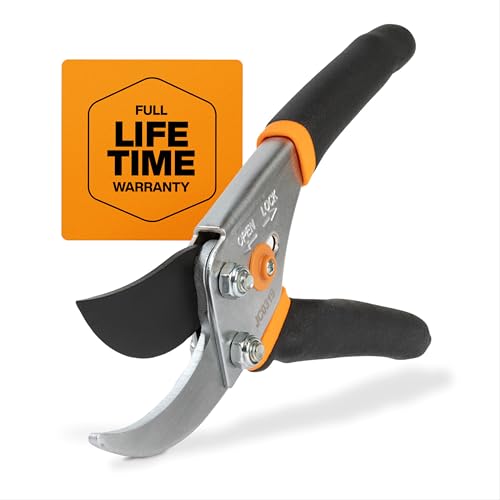
CLEAN CUTS FOR LIVE GROWTH: Bypass blade design is ideal for pruning delicate flower stems and green growth, helping reduce crushing and plant damage while cutting stems and small branches up to 5/8” in diameter
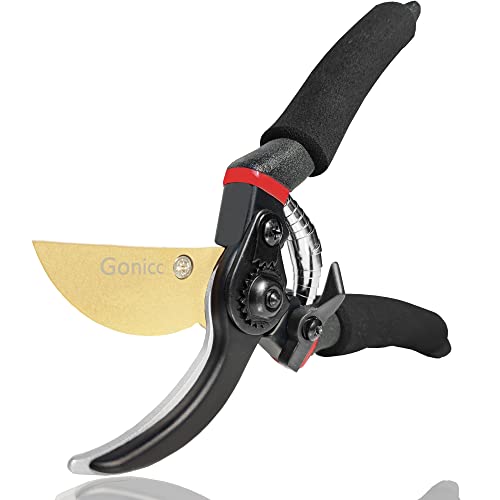
Drop-forged construction delivers exceptional durability and sturdiness for long-term heavy garden use.

Reduce Hand Strain: These micro tip snips are made to reduces hand fatigue which makes them great for those with arthritis, carpal tunnel, hand or wrist issues; Comfortable “grip” handles will make it easy to work for long-time use without making you feel hand pain
Dormant Season Pruning
Dormant season pruning occurs in late winter, typically from January to mid-March. During this time, trees are inactive, making it easier to see their structure without the weight of leaves.
- Encourage strong growth: Removing dead, diseased, or crossing branches promotes airflow.
- Shape the tree: Focus on creating an open center to enhance sunlight exposure.
- Boost fruiting: Pruning last year’s growth in early spring increases fruit yield.
Growing Season Pruning
Growing season pruning is less common but can be effective when done carefully. This approach occurs from late spring to early summer, coinciding with new growth.
- Manage size: Pruning unwanted growth can keep trees manageable and within their space.
- Remove suckers: Cutting back water sprouts helps direct energy to fruiting branches.
- Enhance quality: Thinning out fruit clusters allows remaining fruits to grow larger and healthier.
By timing your pruning effectively in Zone 8, you promote the best possible outcomes for your fruit trees.
Specific Fruit Trees and Pruning Times
Understanding when to prune specific fruit trees in Zone 8 ensures healthy growth and fruit production. Here’s a breakdown of optimal pruning times for various fruit trees.
Recommended Products

Fruit Tree Limb Spreaders: you will receive 50 7 inches branch pullers; The quantity is sufficient; You can choose to combine them as needed to provide adequate support for the branches of your fruit trees and help your trees grow

Branch Shaping Tool: 50 pcs 3.94 inch fruit branch pullers are suitable for 0.4 inch branches, can pull down the drooping angle of branches, suitable for orchards with tree spacing of 1-2 meters and tree age of 1-3 years, pruning angle is 110-135 degrees
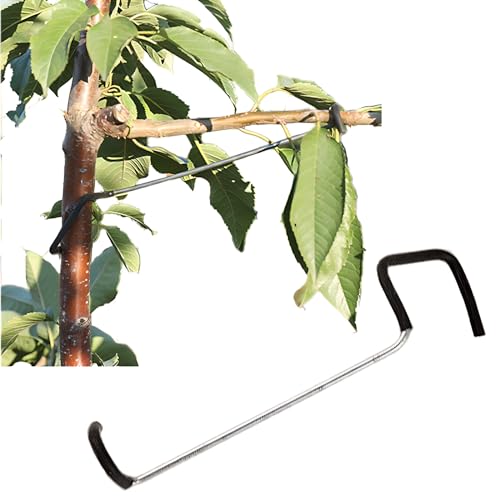
【Not Easy to Damage the Bark】The black part of the branch spreader consists of galvanized iron wire wrapped with the inside of a hose to ensure that the bark does not fray easily. The branch spreader can be reused after removal.
Apple Trees
Prune apple trees during the dormant season, ideally from late winter to mid-March. Focus on removing dead or crossing branches to improve the open structure. Aim to cut back new growth to about 1/3 of its length, promoting stronger branches. Additionally, if you’re growing spur-bearing varieties, limited pruning will enhance fruit production on older growth.
Peach Trees
Peach trees thrive with summer pruning, specifically after fruit harvest in late July or early August. This timing encourages better air circulation and reduces disease risk. Remove any unwanted growth and shape the tree for balance. Additionally, if you notice any deadwood, eliminate it during this period to enhance overall tree health. For young trees, prune back to a strong bud to encourage proper growth.
Citrus Trees
Citrus trees require minimal pruning. However, if necessary, complete it in late winter before new growth begins. Focus on removing suckers and any dead or damaged branches. Always prune sparingly, as excessive cutting can reduce fruit yield. Expect to shape the tree for sunlight exposure while maintaining its natural form for the best results. After pruning, ensure adequate watering and fertilization to support healthy recovery.
Factors Influencing Pruning Schedules
Several factors influence when you should prune your fruit trees in Zone 8. Understanding these elements will help you make informed decisions for optimal tree health and fruit production.
Tree Age and Health
Tree age and health significantly dictate your pruning schedule. Young trees often require different approaches than mature trees.
- Young Trees: Prune annually to shape their growth. Focus on establishing a strong framework by removing any weak or competing branches.
- Mature Trees: Aim to prune every 2-3 years for maintenance. Concentrate on removing dead or diseased wood to promote vitality.
- Health Status: If a tree shows signs of disease or stress, a more immediate pruning might be required, regardless of its age.
Addressing these elements ensures your trees remain healthy and productive.
Weather Conditions
Weather conditions play a crucial role in determining the best time for pruning.
- Temperature: Late winter pruning is ideal when temperatures are consistently above freezing. This prevents damage to the tree and avoids potential frost injury.
- Precipitation: Avoid pruning during rainy spells, as moist conditions can increase the risk of fungal infections. A dry spell offers a safer environment for the procedure.
- Seasonal Changes: Be aware of sudden temperature fluctuations. If a warm spell occurs while you’re planning to prune, wait for stable conditions to minimize stress on the trees.
By factoring in these weather-related aspects, you enhance your pruning effectiveness and avoid complications.
Conclusion
Pruning your fruit trees in Zone 8 is essential for promoting healthy growth and maximizing your harvest. By timing your pruning correctly during the dormant season or even in the growing season when needed, you’re setting your trees up for success.
Remember to consider the specific needs of each type of tree you have and keep an eye on their health. With the right techniques and timing you can enjoy a thriving fruit garden that produces delicious fruits year after year. Happy gardening and may your trees flourish!
Frequently Asked Questions
When should I prune my fruit trees in Zone 8?
Prune fruit trees in Zone 8 during the dormant season, ideally from late winter (January to mid-March). This timing helps you clearly see the structure of the tree and encourages healthy growth.
What are the benefits of pruning fruit trees?
Pruning promotes healthy growth, improves air circulation, removes diseased branches, and shapes trees for optimal sunlight exposure. Proper pruning also enhances fruit production, leading to better yields.
What are common pruning techniques for fruit trees?
Common pruning techniques include thinning (removing excess branches), heading back (shortening branches), corrective pruning (fixing structural issues), cleaning (removing dead parts), and renewal pruning (rejuvenating old trees).
Can I prune during the growing season?
While less common, growing season pruning can be beneficial from late spring to early summer. It focuses on size management, removing suckers, and boosting fruit quality.
How often should I prune young versus mature trees?
Young trees should be pruned annually to shape their growth, while mature trees generally require pruning every 2-3 years for maintenance and health.
What factors influence when to prune my fruit trees?
Factors include the tree’s age and health, as well as weather conditions. Monitor trees for signs of disease or stress and prune when temperatures are above freezing and during dry spells to prevent fungal infections.
