

Ever wondered when you can expect those sweet, juicy clementines to appear on your tree? If you’re growing clementine trees or thinking about it, knowing their fruiting timeline can make all the difference.
Key Takeaways
- Fruiting Age: Clementine trees typically start producing fruit between 2 to 3 years of age, with yields increasing as the tree matures.
- Flowering Period: The flowering phase occurs in late winter to early spring, lasting about 4 to 6 weeks, which is critical for fruit development.
- Ideal Climate: These trees thrive in warm, subtropical climates with temperatures ranging from 60°F to 85°F and require protection from frost.
- Soil Requirements: Well-draining soils rich in organic matter and a pH of 5.5 to 6.5 are optimal for growing clementines; poor soils can hinder growth and fruit yield.
- Care Practices: Regular watering, timely fertilization, and proper pruning are essential for healthy growth and maximizing fruit production.
- Pest Management: Monitoring for pests and implementing organic control methods can protect the trees, ensuring a fruitful harvest.
Life Cycle of Clementine Trees
Clementine trees undergo distinct phases, each critical for fruit production. Understanding these phases helps you better manage your tree and anticipate the harvest.
Germination Phase
Clementine seeds typically germinate within 1 to 3 weeks under optimal conditions. Select fresh seeds for the best results. Plant them in well-draining soil, keeping the soil moist but not soggy. Indoor planting provides a controlled environment, while outdoor planting requires warm weather. A temperature range of 70°F to 85°F promotes faster growth.
Growth Phase
The growth phase lasts several years before the tree bears fruit. During the first year, clementine trees focus on developing strong root systems and healthy foliage. Expect visible growth within 6 to 12 months. In the following years, the tree’s height can reach up to 4 to 6 feet.
Once the tree is 2 to 3 years old, it begins to flower. Flowering typically occurs in spring, with blossoms developing into fruit by late summer. Ongoing care, including proper watering, fertilizing, and pruning, supports fruit production. Aim for a nutrient-rich fertilizer specifically designed for citrus trees to enhance growth and yield.
Factors Influencing Fruit Production
Several factors impact the fruit production of clementine trees. Understanding these influences helps in optimizing yield and quality.
Recommended Products

Quick, at home results for Soil pH, Nitrogen, Phosphorous and Potash Innovative and inexpensive soil test kit features an easy-to-use capsule system and patented color comparators

KNOW BEFORE YOU GROW | Grow the healthiest, sustainable lawn and garden with the most accurate and easy to use professional soil test kit on the market

COMPLETE 3-IN-1 CITRUS NUTRITION KIT - Everything Your Trees Need Professional-grade fertilizer system includes slow-release NPK granules (6-month supply), liquid micronutrient concentrate (makes 32oz), and calcium supplement (makes 32oz). Specially formulated for lemon, orange, lime, grapefruit, and all citrus varieties in containers and pots.
Climate Requirements
Clementine trees thrive in warm, subtropical climates. They prefer temperatures between 60°F to 85°F. Frost can damage blossoms, so avoid planting them in frost-prone areas. Humidity plays a role too; moderate humidity levels support healthy growth. In regions with hotter summers, ensure trees receive partial shade during peak heat. Regular rainfall or irrigation promotes adequate moisture, essential for fruit development.
Soil Conditions
Soil quality significantly impacts clementine fruit production. Well-draining soils, rich in organic matter, are ideal. Aim for soil pH between 5.5 and 6.5 for optimal nutrient absorption. Heavy clay or overly sandy soils can hinder growth. Consider amending your soil with compost or aged manure to improve texture and nutrient levels. Regularly testing your soil can identify deficiencies, allowing you to make necessary adjustments. Prioritize drainage, as standing water can harm the roots and reduce fruit yield.
Timeline for Fruit Production
Understanding the timeline for fruit production in clementine trees helps you maximize the yield and quality of your harvest. Here’s a breakdown of crucial factors.
Recommended Products
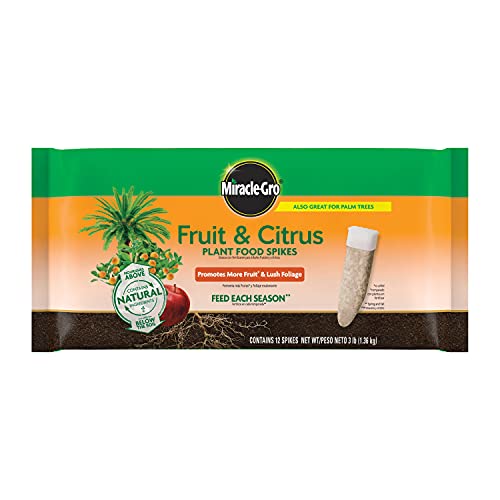
FORMULATED FOR CITRUS AND FRUIT TREES: Use these citrus fertilizer spikes on apple, orange, lemon, lime, and avocado trees; this formula is also great for feeding palm trees

Package contains 4 Pounds organic fruit and citrus fertilizer grains and is produced to avoid wasteful runoff, mess, hazards and smells

FOR USE ON: Use Citrus-tone organic fertilizer for all citrus trees, including lemon, lime, orange, Meyer Lemon Trees as well as for avocado & nut trees
Age of the Tree
Clementine trees begin fruit production around 2 to 3 years old, depending on care and environmental conditions. Young trees usually produce a small number of fruits, gradually increasing output as they mature. A healthy tree around 5 years old can yield 20 to 30 fruits per season. By 10 years, you might see 100 or more fruits as the tree reaches its peak production age.
Factors such as planting location, watering, and fertilization play important roles in how quickly your tree will start producing fruit.
Seasonal Considerations
Clementine trees flourish in specific seasons, impacting their fruit development timeline. Flowering typically occurs in late winter to early spring. This flowering stage lasts about 4 to 6 weeks, paving the way for fruit set.
Fruits start developing shortly after flowering, usually maturing by late summer or early fall. Proper care during this period is crucial. Regular watering keeps the soil moist, and timely fertilizing supports fruit growth. Avoid fertilizing too late in the season, to prevent tender new growth that frost can damage later.
Monitoring the local climate helps too. Protect your tree from unexpected frosts, particularly during flowering. Taking these steps ensures a robust fruit production cycle for your clementine trees.
Care and Maintenance for Optimal Yield
Caring for clementine trees plays a crucial role in ensuring optimal fruit production. Focus on pruning practices and pest management strategies to enhance your tree’s health and yield.
Recommended Products

Sharp Mn Steel Blade for Fast & Clean Cuts: This pole saw uses a sharp three-sided edge with a double-sided barb design to grip branches securely and cut smoothly from multiple angles. The Mn steel blade is durable, rust-resistant, and lightweight, delivering fast, clean cuts. This is a manual pole saw with detachable pole sections for adjustable reach, not pruner, not a telescoping pole; it is neither electric nor battery-powered.

Heat-Treated Serrated Saw Blade: 8" saw blade designed for efficient cutting of branches and tough materials, ensuring sharpness and durability.
Sharp Mn Steel Blade for Fast & Clean Cuts: This pole saw uses a sharp three-sided edge with a double-sided barb design to grip branches securely and cut smoothly from multiple angles. The Mn steel blade is durable, rust-resistant, and lightweight, delivering fast, clean cuts. This is a manual pole saw with detachable pole sections for adjustable reach; not pruner not telescoping pole, it is neither electric nor battery-powered.
Pruning Practices
Pruning helps maintain your clementine tree’s shape and promotes air circulation. Begin early by removing dead or damaged branches. Focus on cutting back weak growth while encouraging strong branches to thrive. Aim to prune in late winter before new growth begins. This timing helps reduce stress on the tree.
For established trees, thin out crowded areas to allow sunlight penetration. Cut back overly long or spindly branches to encourage bushier growth. Avoid excessive pruning, as it can reduce fruit yield. Keep tools clean to prevent disease transmission.
Pest Management Strategies
Pest management is vital for preventing damage to your clementine trees. Regularly inspect for common pests like aphids, spider mites, and scale insects. If detected, utilize organic insecticidal soaps or neem oil for effective control. Apply these treatments early in the morning or late in the evening to minimize harm to beneficial insects.
Encourage beneficial insects, like ladybugs, by planting flowers nearby. These natural predators help keep pest populations in check. Additionally, maintain tree health through proper watering and fertilization, as healthy trees are more resilient to pests.
Monitor your trees closely, particularly during flowering and fruit development phases. Early detection and swift action can safeguard your yield.
Conclusion
Understanding when clementine trees produce fruit can make all the difference in your gardening journey. With a little patience and the right care you can enjoy a bountiful harvest.
Remember that these trees typically start bearing fruit around 2 to 3 years old and become even more productive as they mature. By providing the right conditions and regular maintenance you’ll set yourself up for success.
So whether you’re nurturing a young tree or planning to plant one soon keep these tips in mind. Happy gardening and enjoy the sweet rewards of your efforts!
Frequently Asked Questions
When do clementine trees start producing fruit?
Clementine trees typically begin to produce fruit when they are around 2 to 3 years old. The fruit production increases as the tree matures, reaching its peak output around 10 years of age.
What conditions do clementine trees need to thrive?
Clementine trees thrive in warm, subtropical climates with temperatures between 60°F to 85°F. They require well-draining soils rich in organic matter, with a pH level between 5.5 and 6.5. Regular moisture and avoidance of frost-prone areas are also crucial.
How long does it take for clementine seeds to germinate?
Under optimal conditions, clementine seeds usually sprout within 1 to 3 weeks. It is important to plant the seeds in well-draining soil to promote healthy germination.
What should I do to care for my clementine tree?
Proper care includes regular watering, timely fertilization, and pruning. Ensure the tree receives adequate moisture and nutrients, and prune it in late winter to maintain shape and encourage air circulation.
How many fruits can a mature clementine tree produce?
A healthy, 5-year-old clementine tree can yield 20 to 30 fruits, while a 10-year-old tree may produce 100 or more. The yield can vary based on the tree’s health and care.
What pests should I look out for on clementine trees?
Common pests include scale insects, aphids, and spider mites. Regular inspections are essential, and using organic treatments can help protect the tree’s health and support fruit production.
How can I improve the soil for my clementine tree?
To improve soil quality, amend it with compost or aged manure, especially if it is heavy clay or overly sandy. Regular soil testing can identify deficiencies and help ensure proper drainage for healthy growth.
When do clementine trees flower?
Clementine trees typically flower in late winter to early spring, with the blooming period lasting about 4 to 6 weeks. This phase is critical for subsequent fruit development.
