Close Menu
    Fruit Tree Hub
    • Home
    • Apple Trees
    • Lemon Trees
    • Mango Trees
    • Orange Trees
    • More Trees
      • Best Fruit Trees
      • Apricot Trees
      • Cherry Trees
      • Fig Trees
      • Lime Trees
      • Mulberry Trees
      • Peach Trees
      • Pear Trees
      • Plum Trees
      • Pomegranate Trees
    • Tips and Advice
      • Tools
    • About Us
      • Contact
      • Privacy Policy
    Fruit Tree Hub
    Home»Tips and Advice»When Should You Spray Your Fruit Trees for Optimal Health and Best Harvest Results
    Tips and Advice

    When Should You Spray Your Fruit Trees for Optimal Health and Best Harvest Results

    Martha JacksonBy Martha JacksonJanuary 26, 20258 Mins Read
    Share Facebook Twitter Pinterest WhatsApp Email
    Share
    Facebook Twitter LinkedIn Pinterest Telegram Email

    Wondering when to spray your fruit trees for the best results? You’re not alone. Many gardeners face this challenge, trying to protect their trees from pests and diseases while ensuring a bountiful harvest. Timing can make all the difference between a thriving orchard and a disappointing yield.

    Contents show
    1 Key Takeaways
    2 Importance Of Spraying Fruit Trees
    2.1 Pest Control
    2.2 Disease Prevention
    2.3 Enhanced Growth
    2.4 Yield Improvement
    2.5 Environmental Benefits
    2.6 Timing and Frequency
    3 Factors Influencing Spray Timing
    3.1 Tree Type
    3.2 Pest and Disease Pressure
    4 Recommended Spraying Schedule
    4.1 Spring Treatments
    4.2 Summer Treatments
    4.3 Fall Treatments
    5 Best Practices For Spraying
    5.1 Choosing the Right Spray
    5.2 Safety Precautions
    6 Conclusion
    7 Frequently Asked Questions
    7.1 When is the best time to spray fruit trees?
    7.2 What should I look for to determine when to spray?
    7.3 Why is spraying important for fruit trees?
    7.4 How often should I spray my fruit trees?
    7.5 What are the best practices for spraying fruit trees?
    7.6 Are there eco-friendly options for spraying?

    This article will guide you through the key moments to spray your fruit trees, helping you maximize their health and productivity. You’ll learn about the ideal seasons, the signs to watch for, and the best practices to keep your trees happy. With the right timing, you can enjoy a fruitful garden and savor the delicious rewards of your hard work.

    Key Takeaways

    • Timing is Crucial: The best times to spray fruit trees include early spring, mid-summer, and fall, aligning with tree growth stages and pest pressures.
    • Target Specific Pests and Diseases: Different fruit trees require tailored approaches; for example, spray apples before buds open for scab prevention and peaches in early spring for brown rot control.
    • Monitor Tree Health: Regular inspections for visible damage, weather conditions, and previous season issues help determine the ideal timing for treatment.
    • Implement Best Practices: Choose appropriate sprays (fungicides, insecticides, or organic options) and follow safety precautions, including reading labels and wearing protective gear.
    • Enhance Tree Growth and Yield: Effective spraying protects trees against pests and diseases, leading to healthier trees and improved harvests.
    • Consider Environmental Impact: Use Integrated Pest Management (IPM) strategies to promote a balanced ecosystem while minimizing chemical use.
    MUST READ
    How Long for an Avocado Tree to Fruit: Tips for Accelerating Your Avocado Harvest

    Importance Of Spraying Fruit Trees

    Spraying fruit trees provides essential protection against pests and diseases. Healthy trees yield better fruit, so timely application is crucial. Here are the primary reasons to spray your fruit trees:

    Pest Control

    Spraying prevents infestations. Early detection and treatment reduce damage. For example, use insecticides during bud break to target aphids and caterpillars before they multiply.

    Disease Prevention

    Fungal diseases, like powdery mildew or apple scab, threaten tree health. You can apply fungicides during wet conditions, especially in the spring when spores spread easily. This proactive approach keeps your trees strong.

    Enhanced Growth

    Healthy trees produce more fruit. When you manage pests and diseases, your trees use nutrients efficiently. For instance, spraying at the right times encourages robust growth and flowering.

    Yield Improvement

    Spraying boosts yields by protecting fruit. Without protection, insects and diseases can lead to lower harvests and poor-quality fruit. For optimal results, target critical periods: before flowering, during fruit set, and before harvest.

    Environmental Benefits

    Responsible spraying minimizes chemical use. Integrated Pest Management (IPM) combines different strategies, such as biological controls and organic options. This approach promotes a balanced ecosystem and safeguards beneficial insects.

    Timing and Frequency

    Knowing when to spray is vital. Typically, you should spray in early spring, mid-summer, and fall. Exchange tips with local gardeners or consult local extension services for specific timing based on your region.

    By prioritizing the spraying of your fruit trees, you set the stage for a successful harvest, healthier trees, and a thriving garden.

    Factors Influencing Spray Timing

    Timing the spray for your fruit trees depends on several important factors. Understanding these factors ensures you protect your trees effectively while maximizing yield.

    Recommended Products

    BioAdvanced 3-in-1 Fruit, Citrus & Nut Tree Spray Ready-to-Spray, 32 oz, Fruit Tree Spray
    BioAdvanced 3-in-1 Fruit, Citrus & Nut Tree Spray Ready-to-Spray, 32 oz, Fruit Tree Spray

    TRIPLE PROTECTION: With just one application, it kills listed insects, controls listed diseases, and controls Mites

    VIEW LATEST PRICE

    As an affiliate, we earn on qualifying purchases.

    Bonide Captain Jack's Fruit Tree Spray, 32 oz Concentrate, Insect & Disease Control Spray for Organic Gardening
    Bonide Captain Jack's Fruit Tree Spray, 32 oz Concentrate, Insect & Disease Control Spray for Organic Gardening

    Control diseases and insects in your garden with Captain Jack’s Fruit Tree Spray Concentrate! Use on a variety of listed fruits, nuts and citrus plants.

    MUST READ
    How to Make a Peach Tree Produce Fruit: Essential Tips for Healthy Yields and Care
    VIEW LATEST PRICE

    As an affiliate, we earn on qualifying purchases.

    Bonide Captain Jack's Fruit Tree Spray, 128 oz Concentrate, Insect & Disease Control Spray for Organic Gardening
    Bonide Captain Jack's Fruit Tree Spray, 128 oz Concentrate, Insect & Disease Control Spray for Organic Gardening

    Control diseases and insects in your garden with Captain Jack’s Fruit Tree Spray Concentrate! Use on a variety of listed fruits, nuts and citrus plants.

    VIEW LATEST PRICE

    As an affiliate, we earn on qualifying purchases.

    Tree Type

    Tree type affects when to spray. Different fruit trees face unique pest and disease challenges.

    • Apples: Spray before buds open to prevent scab and prevent apple maggot infestations.
    • Peaches: Spray in early spring for brown rot and peach twig borer control.
    • Citrus: Spray throughout the growing season to combat scales and aphids.

    Each tree type’s specific vulnerabilities dictate your approach. Consider their growing patterns and local conditions.

    Pest and Disease Pressure

    Pest and disease pressure significantly impact spray timing. Monitor your trees for signs of trouble.

    • Visible Damage: Inspect for leaves with holes or discoloration. This indicates active pests.
    • Weather Conditions: Wet periods often lead to fungal diseases. Spray preemptively if rain is forecasted.
    • Previous Seasons: If you encountered problems last season, anticipate similar challenges.

    Track these pressures closely to determine the right timing for your sprays. Regular monitoring helps you act promptly.

    Recommended Spraying Schedule

    Spraying fruit trees at the right times is crucial for protecting them against pests and diseases. Here’s a recommended schedule to follow throughout the year.

    Recommended Products

    Bonide All Seasons Horticultural & Dormant Spray Oil, 16 oz Concentrate, Disease Prevention & Insect Killer for Organic Gardening
    Bonide All Seasons Horticultural & Dormant Spray Oil, 16 oz Concentrate, Disease Prevention & Insect Killer for Organic Gardening

    Control insects & diseases in your home garden with All Seasons Horticultural & Dormant Spray Oil Concentrate; use year-round to control listed insects and diseases

    VIEW LATEST PRICE

    As an affiliate, we earn on qualifying purchases.

    Bonide All Season Horticultural & Dormant Spray Oil, 32 oz Ready-to-Use Spray, Disease Prevention and Insect Killer for Organic Gardening
    Bonide All Season Horticultural & Dormant Spray Oil, 32 oz Ready-to-Use Spray, Disease Prevention and Insect Killer for Organic Gardening

    Control insects and diseases in your home garden with All Seasons Horticultural and Dormant Spray Oil Concentrate; use year-round to control listed insects and diseases

    Pin This Now to Remember It Later
    Pin This
    MUST READ
    Why Avocado Fruit Falling Off Tree: Causes and Solutions for Healthy Growth
    VIEW LATEST PRICE

    As an affiliate, we earn on qualifying purchases.

    Bonide All Seasons Horticultural & Dormant Spray Oil, 32 oz Ready-to-Spray, Disease Prevention and Insect Killer for Organic Gardening
    Bonide All Seasons Horticultural & Dormant Spray Oil, 32 oz Ready-to-Spray, Disease Prevention and Insect Killer for Organic Gardening

    USE YEAR ROUND - Our 3-in-1 product provides year-round protection against insects, mites, and diseases. Can be used at the dormant stage, green tip stage, delayed dormant stage, and during the growing season to prevent pest infestations and disease.

    VIEW LATEST PRICE

    As an affiliate, we earn on qualifying purchases.

    Spring Treatments

    Spring is the most important time for spraying. You should spray fruit trees just before buds break to protect against pests and diseases. For apples, apply fungicides to prevent scab and insecticides for codling moths. Peach trees need early applications to combat brown rot and peach twig borers. Monitor your trees closely for any signs of insects or disease to determine the right moment for treatment.

    Summer Treatments

    Summer treatments focus on maintaining tree health and managing pest populations. In mid-summer, inspect your trees for any signs of damage. If you see pests, consider applying targeted insecticides. For fruit trees like cherries, fungicides should be used to prevent diseases such as powdery mildew. Always follow the manufacturer’s instructions and avoid spraying during extremely hot weather to prevent tree stress.

    Fall Treatments

    Fall marks the last chance to protect your trees before winter. After harvesting, clean up any fallen fruit and debris to minimize disease risk. Apply a dormant oil spray to suppress overwintering pests and their eggs. For trees like pears, consider using fungicides to control any lingering fungal issues. This final spray prepares your trees for a healthy start in spring.

    Best Practices For Spraying

    Spraying fruit trees effectively requires knowledge of timing, product selection, and safety measures. Follow these guidelines to ensure a successful application.

    MUST READ
    Is Coconut a Tree Nut or a Fruit: Understanding Its Classification and Health Benefits

    Recommended Products

    Bonide Captain Jack's Fruit Tree Spray, 16 oz Concentrate, Insect & Disease Control Spray for Organic Gardening
    Bonide Captain Jack's Fruit Tree Spray, 16 oz Concentrate, Insect & Disease Control Spray for Organic Gardening

    Control diseases and insects in your garden with Captain Jack’s Fruit Tree Spray Concentrate! Use on a variety of listed fruits, nuts and citrus plants.

    VIEW LATEST PRICE

    As an affiliate, we earn on qualifying purchases.

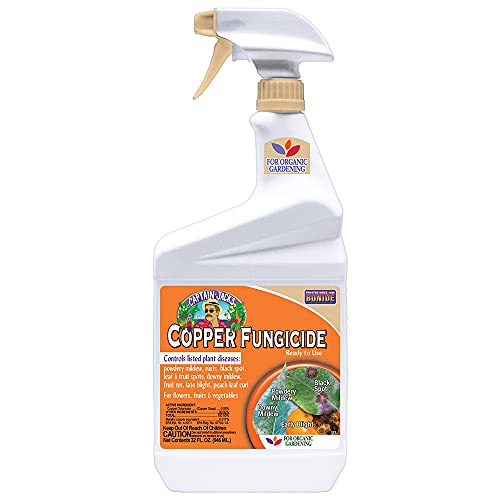
    Bonide Captain Jack's Copper Fungicide, 32 oz Ready-to-Use Spray for Organic Gardening, Controls Common Diseases
    Bonide Captain Jack's Copper Fungicide, 32 oz Ready-to-Use Spray for Organic Gardening, Controls Common Diseases

    Control fungus and disease in your garden with Captain Jack’s ready-to-use Liquid Copper Fungicide!

    VIEW LATEST PRICE

    As an affiliate, we earn on qualifying purchases.

    Bonide Captain Jack Copper Fungicide 16 oz Concentrated Plant Disease Control Solution for Organic Gardening
    Bonide Captain Jack Copper Fungicide 16 oz Concentrated Plant Disease Control Solution for Organic Gardening

    Control fungus and disease in your garden with Captain Jack’s Liquid Copper Fungicide Concentrate!

    VIEW LATEST PRICE

    As an affiliate, we earn on qualifying purchases.

    Choosing the Right Spray

    Select the appropriate spray based on the fruit tree and specific pests or diseases present. Common options include:

    • Fungicides: Use to combat fungal diseases like apple scab and brown rot.
    • Insecticides: Use to control pests such as codling moths and peach twig borers.
    • Organic sprays: Consider products like neem oil or insecticidal soap for environmentally friendly options.

    Evaluate the labels for specific instructions. Some products may require dilution, while others work effectively straight from the bottle. Monitor your trees for signs of issues and adjust your choice of spray accordingly.

    Safety Precautions

    Follow these safety measures to protect yourself and the environment while spraying:

    • Read labels: Always read the manufacturer’s instructions. Understanding application rates helps avoid plant damage or ineffective treatments.
    • Wear protective gear: Use gloves, goggles, and masks to shield your skin, eyes, and respiratory system from chemicals.
    • Spray on calm days: Apply sprays in dry, calm weather to prevent drift and ensure proper coverage.
    • Avoid spraying during bloom: Timing matters. Spraying during blooming can harm beneficial pollinators like bees.

    Store leftover sprays securely and dispose of any unused chemicals according to local regulations. Taking these precautions ensures a safe and effective spraying process.

    Conclusion

    Timing is everything when it comes to spraying your fruit trees. By staying aware of the key seasons and signs of pest or disease pressure you can make informed decisions that lead to healthier trees and a bountiful harvest. Remember that early spring is crucial for preventive measures while mid-summer and fall treatments help maintain tree health and prepare them for winter.

    MUST READ
    When Will Apple Trees Produce Fruit: Factors That Determine Your Harvest Timeline

    With a little attention and care you can protect your trees and enjoy delicious fruits for years to come. Happy gardening and here’s to a fruitful season ahead!

    Frequently Asked Questions

    When is the best time to spray fruit trees?

    The best times to spray fruit trees are early spring, mid-summer, and fall. Early spring is crucial for applying fungicides and insecticides to prevent pests and diseases before the growing season. Summer treatments help maintain tree health, and fall applications protect trees before winter.

    What should I look for to determine when to spray?

    Monitor your fruit trees for signs of pest damage, disease symptoms, and past infestations. Weather conditions can also influence timing, so keep an eye on humidity and rainfall, which can impact pest and disease pressures.

    Why is spraying important for fruit trees?

    Spraying fruit trees is vital for pest control, disease prevention, and improving overall tree health and fruit quality. Timely applications of insecticides and fungicides can prevent infestations and ensure a more bountiful harvest.

    How often should I spray my fruit trees?

    Spraying frequency varies by tree type and pest pressure. Generally, aim for treatments in early spring, mid-summer, and fall. Adjust your schedule based on specific pest risks, weather conditions, and previous years’ experiences.

    What are the best practices for spraying fruit trees?

    Choose the right sprays based on the specific pests or diseases affecting your trees. Always read product labels, wear protective gear, and avoid spraying during bloom to protect important pollinators. Thorough coverage is key for effective results.

    Are there eco-friendly options for spraying?

    Yes, consider using Integrated Pest Management (IPM) practices, which promote a balanced ecosystem. Look for organic pesticides and apply them responsibly, focusing on preventative measures and monitoring for pests before spraying.

    Share. Facebook Twitter Pinterest LinkedIn Tumblr Email
    martha jackson
    Martha Jackson

      Martha Jackson is an accomplished freelance writer and editor with a strong interest in gardening. With a degree in English from the University of California, Berkeley, Martha has over 15 years of experience writing for a variety of publications. She is passionate about making gardening accessible to all and is always seeking out new techniques and innovations.

      Related Posts

      How Long Until Avocado Trees Bear Fruit and Tips for Faster Growth at Home

      February 20, 2025

      What Yellow Fruit Grows on Trees and Their Delicious Health Benefits

      February 20, 2025

      How to Air Layer Fruit Trees: A Step-by-Step Guide for Successful Propagation

      February 20, 2025

      When Do Grapefruit Trees Produce Fruit and How to Maximize Your Harvest

      February 20, 2025

      What Is a Fast Growing Fruit Tree: Discover Quick-Yield Options for Your Garden

      February 20, 2025

      Do Cherry Blossom Trees Have Fruit? Discover the Truth About Their Edibility and Benefits

      February 20, 2025
      Leave A Reply Cancel Reply

      Affiliate Disclosure

      As an Amazon Associate I earn from qualifying purchases.

      Recommended Reading

      Fig Trees in Sacramento, CA (Success with Sun and Heat)

      When Will Olive Tree Bear Fruit: Understanding Growth Timelines and Care Tips

      How Long for Pecan Tree to Bear Fruit and Tips for Successful Growth

      Almond Trees in Honolulu, HI: Tropical Backyard Success

      Can Mulberry Trees Grow in Maine? Cold-Hardy Variety Research

      Apple Trees in Richmond, VA: Virginia Capital Success Tips

      Where Do Jujube Trees Grow Best

      Cherry Trees in New Orleans, LA: Delta Humidity Management

      What Fruit Trees Can Be Planted Together to Maximize Your Garden’s Productivity

      Can Apple Trees Grow in Memphis, TN? (Mid-South Success Secrets)

      Fruit Tree Hub

      Fruit Tree Hub is a website dedicated to providing you everything you need to grow fruit trees successfully at in your own yard.

      Contact us at: [email protected]

      - AFFILIATE DISCLOSURE: As an Amazon Associate I earn from qualifying purchases.

      Latest Posts

      Olive Trees in Columbus, OH: Ohio Valley Planting Secrets

      Mulberry Trees in a Pot in South Carolina: Southern Harvest Tips

      How to Grow Grapefruit Trees in Oregon: PNW Climate Tips

      Olive Trees in a Pot in Vermont (Winter Protection Strategies)

      Guava Trees in Henderson, NV (High Desert Growth Secrets)

      Growing Star Fruit Trees in a Pot in Colorado: Maintenance Tips

      Pomegranate Trees in a Pot in Nevada (Desert Irrigation Secrets)

      Grapefruit Trees in Tennessee (Mountain and Valley Guide)

      Categories
      • Almond Trees
      • Apple Trees
      • Apricot Trees
      • Best Fruit Trees
      • Blackberry
      • Cantaloupe
      • Cherry Trees
      • Crochet Ideas
      • Crochet Ideas for Beginners
      • Cucamelon
      • Easy Crochet Ideas
      • Easy Knitting Projects
      • Fig Trees
      • Grapefruit Trees
      • Grapes
      • Guava Trees
      • Honeydew
      • Jujube Trees
      • Kiwi
      • Knitting For Beginners
      • Knitting Ideas
      • Knitting Inspiration
      • Lemon Trees
      • Lime Trees
      • Loquat Trees
      • Mango Trees
      • Mulberry Trees
      • Nectarine Trees
      • Olive Trees
      • Orange Trees
      • Papaya Trees
      • Peach Trees
      • Pear Trees
      • Persimmon Trees
      • Planting
      • Plum Trees
      • Pomegranate Trees
      • Quince Trees
      • Raspberry
      • Reviews
      • Small Crochet Ideas
      • Star Fruit Trees
      • Summer Crochet Ideas
      • Tamarind Trees
      • Tangerine Trees
      • Tips and Advice
      • Tools
      • Uncategorized
      • Walnut Trees
      © 2026 Fruit Tree Hub
      • Home
      • About Us
      • Contact
      • Privacy Policy
      • Terms and Conditions
      • Disclaimer
      • Editorial Policy
      • Affiliate Disclosure

      Type above and press Enter to search. Press Esc to cancel.