

Thinking about moving your fruit trees? You’re not alone. Many gardeners face the challenge of relocating these beloved plants for various reasons, like changing landscapes or simply wanting to maximize sunlight.
Key Takeaways
- Optimal Timing: The best times to move fruit trees are early spring or late autumn when the trees are dormant, minimizing transplant shock.
- Growing Conditions Matter: Before relocating, ensure the new site has adequate sunlight, a well-draining soil, and enough space for the tree to thrive.
- Signs of Relocation Need: Look for indicators such as root-bound conditions, limited space, or poor sunlight exposure that suggest it’s time to move your fruit trees.
- Preparation Is Key: Gather necessary tools, hydrate the tree beforehand, and inspect the roots for any damage before relocating to promote healthy growth.
- Transplanting Steps: Carefully dig around the root zone, transport the tree without exposing roots, and create a suitable hole for replanting, ensuring the root flare is level with the soil.
- Post-Move Care: After relocating, water the tree thoroughly, apply mulch, and monitor for stress to support successful establishment in the new location.
Understanding Fruit Trees
Fruit trees belong to the category of perennial plants that produce edible fruits. These trees vary widely in type, size, and fruit-bearing characteristics. Common varieties include apple, cherry, peach, and citrus trees. Each variety requires specific care to thrive and produce fruit.
Growing Conditions
Growing conditions play a crucial role in the health of fruit trees. You must consider factors like soil quality, sunlight, and water availability.
- Soil Quality: Ensure the soil is well-draining, rich in nutrients, and has a pH level suited for the specific tree type.
- Sunlight: Most fruit trees require at least six to eight hours of direct sunlight daily. Sunlight affects both growth and fruit production.
- Water Availability: Consistent watering helps maintain moisture levels in the soil. However, avoid overwatering to prevent root rot.
Fruit Tree Growth Stages
Understanding the growth stages of fruit trees aids in proper care and successful relocation.
- Planting Stage: This occurs when you first plant the tree. Choose a location with optimal conditions.
- Juvenile Stage: In this stage, the tree grows leaves and roots, typically lasting a few years before it begins fruit production.
- Mature Stage: Mature trees produce fruit annually, given optimal care.
- Decline Stage: After many productive years, trees may decline, showing reduced fruit output. This stage often prompts gardeners to consider relocation.
Common Reasons for Moving Fruit Trees
Several compelling reasons drive the decision to move fruit trees. These include:
- Improved Sunlight Exposure: Trees may get shaded by other plants or structures over time.
- Soil Nutrient Changes: Soil health may decline, affecting tree growth and fruit quality.
- Pest Control: A change in location can disrupt pest cycles, aiding in healthier tree growth.
- Landscape Redesign: A shift in landscaping preferences often necessitates tree relocation.
Tips for Moving Fruit Trees
Relocating fruit trees can be delicate. Here are some practical steps to ensure success:
- Choose the Right Time: Early spring or late fall generally offers the best chance for survival. Trees are dormant during these periods, minimizing shock.
- Prepare New Location: Ensure the new site meets all growing condition requirements before moving.
- Prune Wisely: Trim excess branches to reduce energy needs and focus on roots during the move.
- Water Thoroughly: Before and after the move, provide ample water to help with transplant shock.
- Monitor Closely: After relocation, keep an eye on your trees for signs of stress, ensuring they receive adequate care.
By understanding fruit trees and their needs, you can ensure their health and productivity, whether you choose to move them or keep them in their current spot.
Best Time To Move Fruit Trees
Timing is crucial when moving fruit trees. Transplanting at the right moment ensures better survival rates and healthier growth.
Recommended Products

4 kinds of the most popular fruits, individually packaged, 50pcs Lemon seeds 50pcs Cherry seeds 50pcs Orange seeds 50pcs Apple seeds Fresh seeds, all fruit seeds are packed in tear and moisture resistant zipper sealed bags for your long term storage.

🍎 Live Crabapple Tree Saplings: Receive three healthy young apple tree saplings ready to plant and grow in your garden, backyard orchard, or container. Plants ship dormant (not leaves or fruit) in spring.

Product Quantity: 180+ premium bonsai fruit seeds across 5 varieties; Individual packs contain 40+ apple, 40+ lemon, 40+ orange, 20+ blueberry, and 40+ cherry seeds; Perfect for starting a diverse miniature orchard
Seasonal Considerations
Early spring or late autumn serve as the ideal seasons for relocating fruit trees. During these times, trees enter dormancy, reducing stress. In spring, wait until the risk of frost passes and new growth begins. In late autumn, ensure the trees are dormant before transferring them. For example, if you live in a region with mild winters, late October may be suitable.
Climate Impact
Your local climate dictates the best time for moving fruit trees. In warmer regions, early spring often works well, while in colder areas, late autumn is preferred. Consider weather patterns, as excessive heat or unexpected frosts can harm newly moved trees. Monitor local temperature fluctuations. For instance, if a late frost is predicted, delay the move until temperatures stabilize.
Signs It’s Time To Move Fruit Trees
Recognizing the right moment to relocate fruit trees is vital for their health and productivity. Look for these telltale signs to determine if it’s time for a change.
Recommended Products

SPECIAL MIX: Root Rocket is a special mix of nutrients that have been horticulturalist-tested for amazing results. Proven to help young plants in their transition from nursery containers into the ground or a more permanent container

Quick Root Development: Bontone rooting powder from Bonide promotes quick root development from cuttings once applied; to apply, simply dip the end of a clipping into the powder and then place it in moist soil to help the rooting process of cuttings

Let our professionally formulated plant food help your fruit tree grow healthy, strong AND abundantly producing
Root Bound Issues
You may notice roots circling around the pot or planting hole, indicating your tree is root-bound. This condition prevents proper nutrient and water absorption, stunting growth and fruit production. If you’ve observed roots emerging from drainage holes or pushing through the soil’s surface, consider moving the tree to a larger space for better development.
Space Considerations
Limited space can hinder your fruit tree’s growth and access to sunlight. If your tree is overcrowded by other plants or struggling for light, a relocation may be beneficial. For example, if nearby trees or structures cast shadows on your fruit tree, transferring it to an area with more exposure can enhance its vigor. Prioritize ample spacing between your trees to promote air circulation and reduce competition for resources.
Steps To Safely Move Fruit Trees
Moving fruit trees requires careful planning and execution. Follow these steps to ensure a successful relocation.
Recommended Products
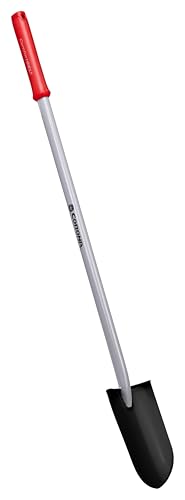
Heavy-Duty DigMASTER Blade – Durable, high-strength steel blade penetrates compacted soil with ease, making it ideal for planting, transplanting, edging, and detailed landscape work.

DURABLE CONSTRUCTION: Made with alloy steel and fiberglass handle, this D-handle shovel combines strength and lightweight design for optimal performance

SIZE & WEIGHT - The spade shovel measures 7.5x2x43 inches (LxWxH) and weighs 4.5 lbs
Preparation
- Choose the Right Time: Relocate during early spring or late autumn when trees are dormant. This timing minimizes transplant shock.
- Select a New Location: Look for a spot that offers adequate sunlight, good drainage, and ample space to accommodate your tree’s mature size.
- Gather Tools: Prepare shovels, pruning shears, water, and mulch. These tools will facilitate both the moving and replanting process.
- Water the Tree: Hydrate the tree a day before the move. This helps reduce stress and keeps the soil intact during relocation.
- Inspect the Roots: Check for any damaged or circling roots. Prune these roots to promote better growth in the new location.
- Dig a Wide Trough: Start digging around the tree’s root zone. Aim for a trench that extends at least 12 inches from the trunk for smaller trees and 24 inches for larger ones.
- Lift with Care: Gently lift the tree from the root zone using a spade or shovel. Keep as much soil around the roots as possible.
- Transport Carefully: Move the tree to the new location, keeping it stable. Avoid shaking the tree or exposing the roots to air for too long.
- Create a Proper Hole: Dig a hole that’s twice as wide and as deep as the root ball. This encourages root expansion in the new soil.
- Position the Tree: Place the tree in the center of the hole. Ensure the root flare is level with the surrounding soil to avoid suffocation.
- Backfill with Soil: Fill the hole with the original soil and pack it gently. This eliminates air pockets that can hinder root growth.
- Water Generously: After planting, water thoroughly to ensure the roots settle and to hydrate the tree.
- Mulch the Base: Apply 2-3 inches of mulch around the base of the tree. This retains moisture and regulates soil temperature.
By following these steps, you’ll help your fruit trees thrive in their new home.
Conclusion
Moving fruit trees can be a rewarding endeavor when done at the right time and with careful planning. By paying attention to their needs and the signs that indicate it’s time for a change, you can help your trees thrive in a new environment.
Remember to consider the seasons and local climate to ensure the best conditions for your trees during relocation. With the right approach you can enjoy healthy and productive fruit trees for years to come. Happy gardening!
Frequently Asked Questions
Why would I need to relocate my fruit trees?
Relocating fruit trees can optimize their growth by improving sunlight exposure, addressing soil nutrient changes, managing pests, or redesigning your garden’s landscape. If your tree is overcrowded or overshadowed, moving it may enhance its vigor and productivity.
When is the best time to transplant fruit trees?
The ideal times to relocate fruit trees are early spring or late autumn. Transplanting during these dormant periods reduces stress on the tree, ensuring a better chance of survival and continued growth. Always wait until frost risks have passed in spring.
What are the signs that my fruit tree needs to be moved?
Key signs include root-binding, where roots circle the pot or planting hole, and overcrowding, which limits sunlight and air circulation. If the tree is struggling to absorb nutrients or is overshadowed by other plants, relocation may be necessary.
How do I prepare for relocating a fruit tree?
Preparation involves choosing the right time, selecting a suitable new location with good sunlight and drainage, and gathering tools. Ensure the tree is well-watered before moving, inspect and prune damaged roots, and dig a wide trough around the root zone for lifting.
What steps should I follow after moving my fruit tree?
After relocating, dig a proper hole for the tree, ensure it’s positioned correctly, backfill with soil, water thoroughly, and apply mulch. Monitor the tree closely in the weeks following the move to ensure it acclimates and thrives in its new location.
