

Have you ever wondered when you’ll get to enjoy the sweet taste of fresh mangoes from your own tree? If you’ve planted a mango tree or are thinking about it, knowing when it starts to bear fruit is key to your gardening success.
Key Takeaways
- Mango Tree Age: Mango trees typically begin to bear fruit between 3 to 6 years after planting, depending on the variety, with some like Tommy Atkins producing fruit sooner.
- Growing Conditions: Ideal conditions for mango trees include warm climates, well-draining sandy loam soil, full sunlight for 6–10 hours daily, and careful watering practices.
- Environmental Factors: Temperature, sunlight, and soil quality significantly impact mango fruit production, with optimal temperatures ranging from 70°F to 100°F.
- Seasonal Care: Understanding seasonal influences like temperature, rainfall, pruning, and sunlight exposure is crucial for maximizing fruit formation and overall tree health.
- Fertilization and Pruning: Regular fertilization with balanced nutrients and proper pruning techniques enhance growth and fruit yield, ensuring a healthier harvest.
Understanding Mango Trees
Mango trees are tropical fruit trees that thrive in warm climates. Knowing their needs helps you enjoy a fruitful harvest.
Types of Mango Trees
Mango trees come in several varieties, each with unique characteristics. Here are a few common types:
- Haden: Known for its bright red skin and rich flavor.
- Kent: Offers a sweet, juicy taste with minimal fiber.
- Tommy Atkins: Features a longer shelf life and is popular in commercial production.
- Alphonso: Famous for its sweetness and smooth texture, often called the “king of mangoes.”
Different varieties bear fruit at different ages, typically ranging from 3 to 6 years after planting.
Ideal Growing Conditions
Mango trees require specific growing conditions to thrive. Ensure the following:
- Climate: Warm, tropical, or subtropical climates are best. Temperatures should stay above 50°F (10°C) for optimal growth.
- Soil: Well-draining, sandy loam soil with a pH between 5.5 and 7.5 encourages healthy roots.
- Sunlight: Full sun exposure, at least 6 to 8 hours daily, supports fruit production.
- Water: Young trees need regular watering to establish roots. Once mature, mango trees require less water, so avoid overwatering.
By providing the right conditions, you can help your mango tree produce fruit sooner.
Factors Influencing Fruit Production
Several key factors affect when a mango tree produces fruit. Understanding these elements enhances your gardening success.
Recommended Products

Accurate Soil Moisture Detection: The XLUX Soil Moisture Meter can tell you if the soil deep inside your pot or garden is dry, moist or wet; whereas your eyes and fingers can only determine the moisture level of the soil surface. The probe is 5.5 inches (14 cm) longer than regular styles, allowing it to measure the soil moisture at the bottom of larger and deeper flower pots.

Accurate Soil Moisture Detection: The XLUX Soil Moisture Meter can tell you if the soil deep inside your pot or garden is dry, moist or wet; whereas your eyes and fingers can only determine the moisture level of the soil surface. The probe is 5.5 inches (14 cm) longer than regular styles, allowing it to measure the soil moisture at the bottom of larger and deeper flower pots.

Soil Moisture Meter: This single probe soil moisture meter is specially designed for testing the moisture level in the soil, helps you decide whether the plants need water or not, helps to keep plants alive.
Age of the Mango Tree
Mango trees generally start to bear fruit between 3 to 6 years after planting, with variations among tree types. For example, the Tommy Atkins tree may produce fruit sooner than the Alphonso. A young tree might yield a few mangoes, while a mature tree can offer a significant harvest. Proper care during the initial years promotes faster growth and fruit production.
Environmental Factors
Mango trees thrive in specific environmental conditions.
- Temperature: They prefer warm climates, ideally with temperatures between 70°F and 100°F. Cold weather can hinder flowering and fruit set.
- Sunlight: Full sun exposure, around 8 to 10 hours daily, significantly boosts fruit yield. Ensure your tree receives ample light, especially during growing seasons.
- Soil Quality: Well-draining sandy loam soil supports healthy root growth. Avoid heavy clay soils that retain water. Regular soil tests can help maintain ideal pH levels, ideally between 5.5 and 7.5.
- Watering Practices: Young trees require consistent moisture without becoming waterlogged. Established trees need less frequent watering, focusing on deep watering during dry spells to encourage strong root systems.
By paying attention to these factors, you can optimize your mango tree’s potential for fruit production.
When Does a Mango Tree Produce Fruit?
Mango trees typically start producing fruit between 3 to 6 years after planting, depending on the variety and growing conditions. Understanding the timeline and factors affecting fruit production helps you maximize your harvest.
Recommended Products

Tropical Fruit Seeds: Grow your own delicious mangoes at home with this set of 3 premium mango tree seeds, perfect for cultivating fresh, sweet tropical fruit right in your garden or indoor space
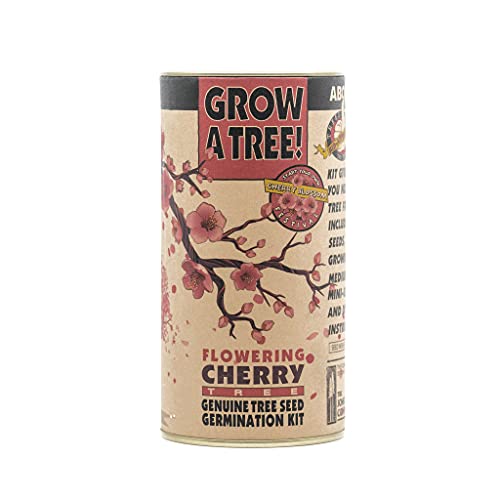
Grow your own tree from seed!
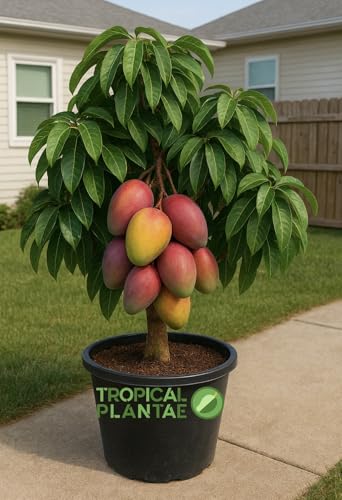
Imagine stepping into your backyard a few months from now and seeing a beautiful grafted Haden mango tree, growing stronger every day — a tree that will soon reward you with one of the most classic, flavorful mangoes ever grown.
Typical Maturity Timeline
Mango tree varieties vary in their fruit-bearing timelines. Here’s a general overview:
- Haden: Produces fruit approximately 4 to 5 years after planting.
- Kent: Usually starts bearing fruit around 5 to 6 years.
- Tommy Atkins: Known for an earlier yield, it can produce fruit in about 3 to 4 years.
- Alphonso: Takes about 5 to 6 years to yield fruit.
Monitoring the growth rate and health of your mango tree influences your expectations. Each year, you’ll notice developments as the tree matures.
Seasonal Considerations
Seasons play a vital role in mango fruit production. Key factors include:
- Temperature: Mango trees thrive in warm temperatures, ideally between 70°F to 100°F. Insufficient warmth can delay flowering and fruit set.
- Rainfall: A dry season is essential before the flowering stage. Excessive moisture can hinder fruit formation.
- Sunlight: Mango trees need full sun exposure for at least 6 hours daily. This ensures robust growth and higher fruit production.
- Pruning: Pruning encourages better air circulation and sunlight penetration, promoting healthier blooms and fruit.
Timing your gardening practices with seasonal changes ensures optimal fruit production. Be attentive to your tree’s progress throughout the growing seasons for the best harvest outcomes.
Care for Mango Trees
Caring for mango trees ensures a healthy harvest. Proper attention to their needs boosts fruit production and quality. Focus on fertilization and pruning techniques for the best results.
Recommended Products

Let our professionally formulated plant food help your fruit tree grow healthy, strong AND abundantly producing
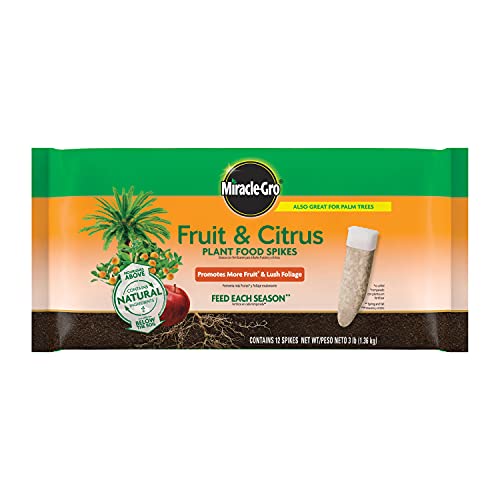
FORMULATED FOR CITRUS AND FRUIT TREES: Use these citrus fertilizer spikes on apple, orange, lemon, lime, and avocado trees; this formula is also great for feeding palm trees
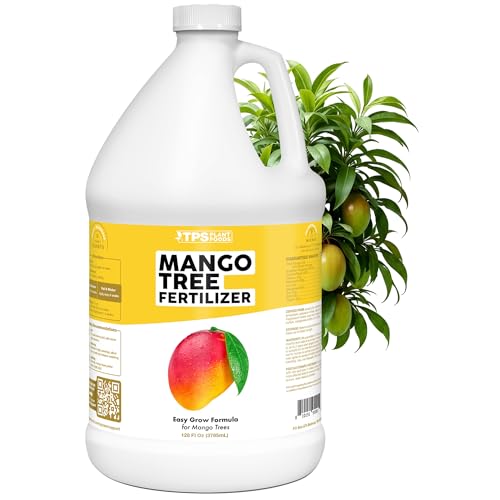
Made for Mango Trees – Formulated to support healthy growth in mango and tropical fruit trees.
Fertilization Techniques
Fertilizing mango trees promotes vigorous growth and fruit production.
- Apply a balanced fertilizer with equal parts nitrogen, phosphorus, and potassium. Use a ratio like 10-10-10 or 8-3-9.
- Fertilize every 6 to 8 weeks during the growing season, typically from spring to early summer. Adjust based on tree age; younger trees benefit from lighter applications.
- Incorporate organic matter, like compost or well-rotted manure, into the soil. This practice enhances soil quality, providing essential nutrients.
- Monitor tree health. Yellowing leaves may signal a nutrient deficiency, indicating the need for additional fertilizer.
Pruning for Better Yield
Pruning mango trees effectively boosts air circulation and light penetration.
- Prune during the dry season, ideally before new growth begins. This timing minimizes stress on the tree.
- Remove dead, damaged, or overcrowded branches to maintain a well-shaped canopy.
- Aim for an open center to allow sunlight to reach all parts of the tree. This configuration encourages healthy blooming.
- Thin out excess fruit as needed. Reducing the number of fruits per branch helps improve the size and quality of remaining mangoes.
By implementing these care techniques, mango trees thrive, leading to fruitful harvests.
Conclusion
Growing your own mango tree can be a rewarding experience filled with delicious rewards. By understanding the right conditions and care techniques you can significantly enhance your chances of enjoying a fruitful harvest. Remember that patience is key as it may take a few years for your tree to start producing.
Stay attentive to your tree’s needs and provide it with the warmth sunlight and care it craves. With the right approach you’ll soon be savoring the sweet taste of homegrown mangoes. Happy gardening and may your mango tree thrive!
Frequently Asked Questions
How long does it take for a mango tree to bear fruit?
Mango trees typically begin to bear fruit between 3 to 6 years after planting. The exact time can vary based on the tree variety, care, and growing conditions. For instance, the Tommy Atkins variety often yields fruit sooner than others.
What are the ideal growing conditions for mango trees?
Mango trees thrive in warm climates with temperatures ideally between 70°F to 100°F. They need well-draining sandy loam soil, full sun exposure for at least 6 hours per day, and proper watering to promote healthy growth and fruit production.
Which mango varieties bear fruit the quickest?
Tommy Atkins mango trees are known to bear fruit the fastest, typically producing mangoes in about 3 to 4 years. Other varieties like Haden and Kent may take longer, around 4 to 6 years.
What is the best fertilization technique for mango trees?
Use a balanced fertilizer with equal parts nitrogen, phosphorus, and potassium every 6 to 8 weeks during the growing season. Additionally, incorporating organic matter into the soil can improve overall quality and support fruit production.
How can pruning affect mango tree yield?
Proper pruning enhances air circulation and sunlight penetration, which are crucial for healthier blooms and improved fruit quality. It is best to prune during the dry season to promote vigorous growth and higher yield.
What environmental factors influence mango fruit production?
Key factors include temperature, sunlight, soil quality, and watering practices. Mango trees flourish in warm conditions and need a dry season before flowering for optimal fruit production, along with regular maintenance to ensure soil health.
