

Loquat trees can thrive in Maryland’s Mid-Atlantic climate with proper care and attention. To ensure successful growth, focus on selecting the right variety, preparing the soil, and implementing effective maintenance practices.
Best Loquat Varieties for Maryland Climate
Choosing the appropriate loquat variety is crucial for successful growth in Maryland. Some varieties are better suited for the Mid-Atlantic climate, which can experience both cold winters and warm summers. Look for varieties that are cold-hardy and can adapt to local conditions.
Variety Recommendations
Burgess: Known for its sweet fruit and cold tolerance.
Gold Nugget: Offers a rich flavor and is suitable for various soil types.
Evergreen: A resilient option that thrives in diverse environments.
These varieties can withstand Maryland’s temperature fluctuations while producing quality fruit.
Recommended Products

More than 50 years of research has gone into developing cherry trees with cold hardiness, dwarf stature and good fruit quality.

Each offer includes one plant grown in a 4 inch pot

You are buying 2 Live Plants Musa Basjoo Banana Trees 5-6" Tall
Soil Preparation for Loquat Tree Health
Proper soil preparation is crucial for the successful growth of loquat trees in Maryland’s unique climate. Ensuring the right soil conditions not only promotes healthy root development but also enhances the tree’s resilience against pests and diseases. This section will explore essential practices for preparing soil that supports robust loquat tree health.
Soil preparation is essential for the healthy development of loquat trees. The right soil conditions promote root establishment and overall tree vigor. Conduct a soil test to determine pH and nutrient levels before planting.
Ideal Soil Conditions
pH Level: 6.0 to 7.0 is optimal.
Drainage: Ensure good drainage to prevent root rot.
Organic Matter: Incorporate compost to enhance soil fertility.
| Soil Component | Recommended Level |
|---|---|
| pH | 6.0 – 7.0 |
| Organic Matter | 5% or more |
| Drainage | Well-draining |
Improving soil quality will support robust growth and fruit production.
Recommended Products

Feed the soil not the plants - stimulate microbial activity in your soil and boost probability of success with all types of plants… like composting but faster

Nutrient-Rich Organic Compost for Healthy Soil: Support stronger plant growth with this premium organic compost made from dairy cow manure. This all purpose soil amendment helps replenish essential nutrients often depleted after harvests, making it ideal for vegetable gardens, fruit trees, flowers, lawns and container plants.

NUTRIENT-RICH GROWTH: Premium cow manure compost packed with nitrogen, calcium, and iron. This organic compost fertilizer enriches soil, boosts microbial life, and supports bigger vegetables, greener lawns, and thriving flowers.
Optimal Watering Strategies for Loquat Trees
Watering is a critical factor in the successful growth of loquat trees, particularly in Maryland’s unique climate. Understanding the optimal watering strategies can help ensure these trees thrive, promoting healthy fruit production and robust development. This section delves into effective techniques and timing to keep your loquat trees well-hydrated and flourishing.
Proper watering is vital for loquat trees, especially during their early stages. Overwatering can lead to root issues, while underwatering can stunt growth. Establish a consistent watering routine based on seasonal needs.
Watering Guidelines
Frequency: Water deeply once a week during dry spells.
Amount: 1 to 2 inches of water per week is ideal.
Method: Use a soaker hose or drip irrigation for efficiency.
Monitor soil moisture levels to adjust your watering schedule as needed.
Recommended Products
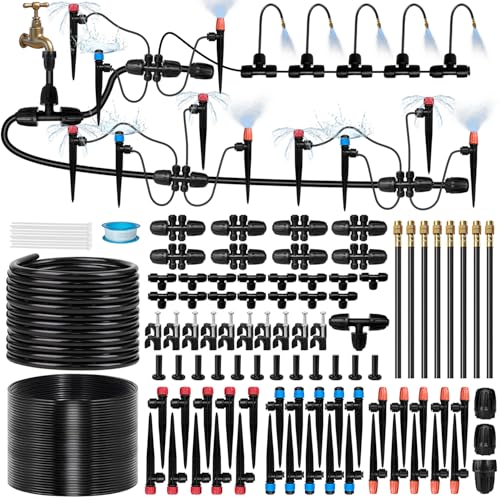
【Upgraded Tube Design & Water Saving】 Our garden watering system is upgraded to 1/2” diameter to support high water pressure. The 1/2” tee connector allows seamless splitting into 2 independent zones for customized watering schedules. By delivering moisture directly to root zones, this drip Irrigation system significantly reduces evaporation and runoff—saving more water compared to conventional sprinklers while eliminating the need for manual watering.
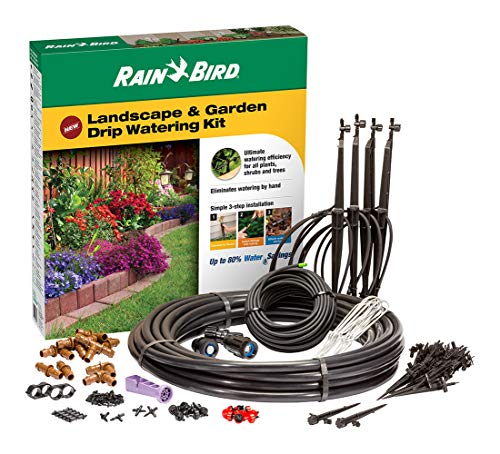
Comprehensive 108-piece kit for flower beds, gardens and landscaped areas; eliminates hand watering, saves time and money

NO MORE HARD INSTALLATION - SET UP IN MINUTES. Tired of struggling with stiff barbed fittings? This drip irrigation system features quick-connect fittings that let you push, lock, and secure tubing effortlessly. No tools, no leaks, just a smooth setup experience. Enjoy a frustration-free installation and get your garden watering system running in minutes.
Fertilization Strategies for Loquat Trees
Fertilizing loquat trees is essential for promoting healthy growth and maximizing fruit production in Maryland’s unique climate. Understanding the specific nutrient needs and timing for fertilization can significantly impact the vitality of these trees. This section outlines effective strategies tailored for loquat cultivation in the Mid-Atlantic region, ensuring optimal results for both novice and experienced gardeners.
Fertilization supports the nutritional needs of loquat trees, promoting healthy foliage and fruit. Use a balanced fertilizer to ensure that trees receive essential nutrients throughout the growing season.
Fertilization Schedule
Spring: Apply a slow-release fertilizer as new growth begins.
Mid-Summer: A second application can support fruit development.
Fall: Light feeding can prepare trees for winter.
| Fertilizer Type | Application Rate |
|---|---|
| Balanced Fertilizer | 1 lb per tree |
| Organic Options | Follow package instructions |
Regular fertilization will enhance tree health and fruit yield.
Pest and Disease Management for Loquat Trees
Managing pests and diseases is crucial for the health and productivity of loquat trees in Maryland. This section provides practical strategies and insights to help growers identify common threats and implement effective control measures. By understanding these challenges, you can ensure a thriving loquat harvest in the Mid-Atlantic region.
Loquat trees can be susceptible to various pests and diseases that may hinder growth. Identifying and managing these threats is essential for maintaining tree health.
Common Pests
Scale Insects: Monitor for sticky residue on leaves.
Aphids: Check for curled leaves and honeydew.
Diseases to Watch
Leaf Spot: Look for dark spots on leaves.
Root Rot: Ensure proper drainage to prevent this issue.
Regular inspections and timely interventions can prevent significant damage.
Pruning Techniques for Healthy Loquat Trees
Pruning is essential for maintaining the health and productivity of loquat trees in Maryland’s unique climate. Proper techniques not only encourage robust growth but also enhance fruit quality and tree structure. This section will explore effective pruning methods tailored for the Mid-Atlantic region, ensuring your loquat trees thrive.
Pruning is an important practice for loquat trees that enhances structure and airflow. Proper pruning techniques can lead to healthier trees and improved fruit production.
Pruning Tips
Timing: Prune in late winter before new growth starts.
Technique: Remove dead or crossing branches to improve airflow.
Shape: Aim for an open center to allow sunlight penetration.
Regular pruning will help maintain tree health and optimize fruit quality.
Seasonal Growth Adaptations for Loquat Trees
Loquat trees thrive in Maryland’s diverse climate by adapting their growth patterns to seasonal changes. Understanding these adaptations is crucial for gardeners looking to cultivate healthy trees that can withstand the region’s varying temperatures and moisture levels. This section explores the specific seasonal strategies that enhance the success of loquat trees in the Mid-Atlantic.
Seasonal changes can affect the growth and fruiting of loquat trees. Understanding these changes will help you adapt your care practices accordingly.
Spring: Watch for new growth and adjust watering.
Summer: Monitor for pests and ensure adequate hydration.
Fall: Prepare trees for winter by reducing watering and applying mulch.
Adapting care practices based on seasonal conditions will enhance tree resilience.
Optimal Care Strategies for Maryland Loquats
To ensure healthy growth and fruit production, loquat trees in Maryland require specific care strategies tailored to the region’s climate and soil conditions. Understanding the optimal practices for watering, fertilization, and pruning can significantly enhance the success of these trees, allowing gardeners to enjoy their unique fruit in the Mid-Atlantic area.
Loquat trees can flourish in Maryland with the right care and attention. Focus on selecting suitable varieties, preparing soil, and implementing effective maintenance practices. Regular monitoring and adaptation to seasonal changes will support healthy growth and fruit production.
