

Ever wondered when the best time is to fertilize your fruit trees in Oregon? Timing can make all the difference between a bountiful harvest and a disappointing yield. With Oregon’s unique climate and soil conditions, knowing when to feed your trees is crucial for their health and productivity.
Picture this: you’ve planted your dream orchard, but without the right care, those trees may not thrive as you hoped. This article will guide you through the optimal fertilization schedule, ensuring your trees get the nutrients they need at just the right time. You’ll learn how to keep your fruit trees healthy and fruitful, making your gardening efforts truly rewarding.
Key Takeaways
- Optimal Timing: Fertilize fruit trees in Oregon in early spring (late March to early April) and after harvest in the fall (late September to October) for best results.
- Nutritional Needs: Different fruit trees such as apples, pears, cherries, plums, and peaches have specific nutrient requirements, primarily nitrogen, phosphorus, and potassium.
- Soil Testing: Conduct regular soil tests to assess nutrient levels and pH, allowing for tailored fertilization plans based on your trees’ specific needs.
- Visual Indicators: Watch for signs of nutrient deficiency in trees, including pale leaves, stunted growth, poor fruit development, and early leaf drop.
- Local Climate Considerations: Adapt your fertilization practices based on Oregon’s diverse climate, focusing on regional specifics for effective nutrient uptake.
- Environmental Stewardship: Always follow local nutrient management guidelines to ensure responsible fertilization that supports tree health and minimizes environmental impact.
Understanding Fruit Tree Nutritional Needs
Fertilizing fruit trees in Oregon involves understanding their nutritional needs. Each tree type has unique requirements that affect growth and fruiting.
Recommended Products

Bloom Booster Built for Peak Season: Yardi Fruit & Bloom delivers a targeted NPK 2-15-15 formula with micronutrients to drive abundant flowering and stronger yields. Higher phosphorus and potassium maximize bloom production and fruit set at the most critical stage of the growing season.

Let our professionally formulated plant food help your fruit tree grow healthy, strong AND abundantly producing

PREMIUM QUALITY INGREDIENTS – Cz Garden Muriate of Potash is a water soluble, high purity, premium phosphate fertilizer for all indoor/outdoor flowers, lawn, and garden vegetables.
The Role of Fertilization
Fertilization supports fruit tree health by supplying essential nutrients. Nitrogen promotes leafy growth, phosphorus encourages root and flower development, and potassium aids in fruit quality. Apply fertilizers based on soil tests to ensure your trees receive the right nutrients at the right time. Timing is crucial; early spring or late fall often yields the best results.
Nutrient Requirements by Fruit Type
Different fruit trees have varying nutrient needs. Here’s a quick overview:
- Apple Trees: Thrive with a balance of nitrogen, phosphorus, and potassium. Apply a nitrogen-rich fertilizer in early spring.
- Pear Trees: Need similar nutrients to apple trees, focusing on potassium for better fruit size. Fertilize in early spring.
- Cherry Trees: Require high nitrogen levels, especially during vigorous growth periods. Fertilize early in the growing season.
- Plum Trees: Benefit from phosphorus for root establishment. Fertilize in early spring when blossoms appear.
- Peach Trees: Demand potassium for fruit quality. Fertilize before blooming begins.
Understanding these requirements helps optimize fertilization schedules, ensuring healthy, productive trees.
Optimal Timing for Fertilization
Fertilizing fruit trees at the right times significantly boosts their health and productivity. The unique climate conditions in Oregon play a critical role in determining optimal fertilization timing.
Recommended Products
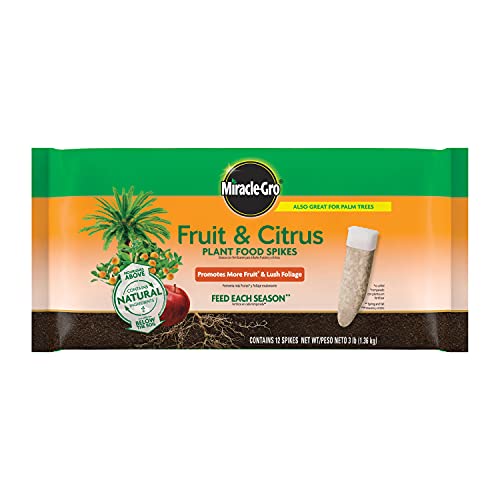
FORMULATED FOR CITRUS AND FRUIT TREES: Use these citrus fertilizer spikes on apple, orange, lemon, lime, and avocado trees; this formula is also great for feeding palm trees
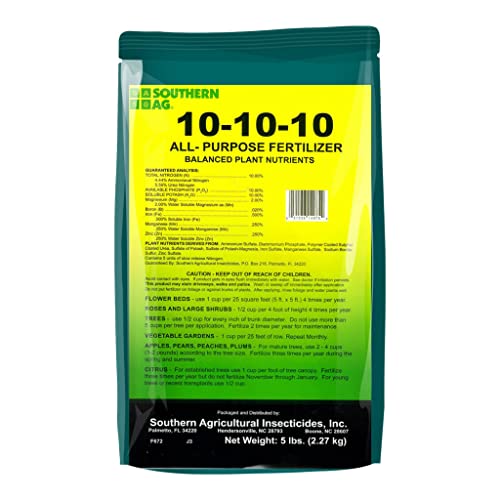

🌿 Balanced 10-10-10 Granular Fertilizer for Outdoor & Indoor Plants: All-purpose plant food with 10% Nitrogen, 10% Phosphorus, and 10% Potassium. Perfect for outdoor vegetable gardens, fruit trees, evergreens, shrubs, lawns, and flowers. Also great for potted plants and indoor gardening. One solution for all your plant needs!
Spring Fertilization
Apply fertilizer in early spring, around late March to early April, as your trees start to bud. This timing helps provide essential nutrients during the growing season.
Select a balanced fertilizer that contains nitrogen, phosphorus, and potassium, ideally in a ratio like 10-10-10. Follow these steps for effective spring fertilization:
- Use a soil test to determine nutrient needs.
- Distribute the fertilizer evenly around the tree’s drip line, avoiding direct contact with the trunk.
- Water the area thoroughly after applying to help the nutrients penetrate the soil.
In addition, monitor your trees for signs of nutrient deficiency, such as yellowing leaves or poor fruit development. Adjust your fertilization strategy accordingly.
Fall Fertilization
Fall fertilization occurs after harvest, typically between late September and October. This timing prepares trees for winter dormancy and promotes root growth.
Choose a fertilizer high in potassium, which enhances cold tolerance and fruit quality. Follow these guidelines for fall fertilization:
- Conduct a soil test to assess nutrient levels before application.
- Spread the fertilizer across the root zone, ensuring even coverage.
- Water the area to help the nutrients absorb into the soil.
Be mindful that fall fertilization is crucial for young trees, especially newly planted varieties, to help them establish strong root systems before winter. Always follow local guidelines regarding nutrient management to promote environmental stewardship.
Specific Guidelines for Oregon
Understanding when to fertilize fruit trees in Oregon relies on regional specifics and the unique characteristics of your soil. This section outlines clear guidelines tailored for successful fertilization practices.
Recommended Products

Let our professionally formulated plant food help your fruit tree grow healthy, strong AND abundantly producing

Package contains 4 Pounds organic fruit and citrus fertilizer grains and is produced to avoid wasteful runoff, mess, hazards and smells

Made for Lemon & Citrus Trees – Formulated to support healthy growth in lemon and citrus plants.
Regional Climate Considerations
Oregon’s diverse climate influences when and how you fertilize your fruit trees. In general, late March to early April marks the ideal time for spring fertilization. This timing coincides with the trees’ active growth phases, where nutrients become crucial for leaf and fruit development.
In the Willamette Valley, milder temperatures and abundant rainfall create a favorable environment for nutrient uptake. However, in eastern Oregon, where the climate is drier and more variable, you may need to adjust watering schedules to ensure nutrients are absorbed effectively. Always pay attention to local weather patterns. Prolonged rain can affect soil nutrient levels and may necessitate a delay in fertilization.
Soil Testing and Analysis
Conducting a soil test provides a clear picture of your soil’s nutrient content and pH levels. Use a reliable soil testing kit available through local extension offices or garden centers. Aim for testing in early winter or late summer, ensuring that you can adjust your fertilization plan according to your soil’s specific needs.
Follow these simple steps for effective soil testing:
- Collect Samples: Gather soil samples from different areas of your yard, focusing on the root zone of your trees.
- Mix Samples: Combine the samples in a clean container to create a representative mixture.
- Submit for Testing: Send the mixed sample to a testing laboratory for an analysis report.
Once you receive the results, use them to determine which fertilizers to apply and in what quantities. For example, if a test reveals low nitrogen levels, consider using a nitrogen-rich fertilizer in the recommended amounts to boost growth. Tailoring your approach based on the results ensures your trees receive the exact nutrients they require.
Signs Your Fruit Trees Need Fertilization
Noticing when your fruit trees need fertilization is crucial for their health. Here are some signs to watch for.
Visual Indicators
- Pale Leaves: If leaves turn yellow, especially older leaves, your tree might lack nitrogen.
- Stunted Growth: Trees that don’t grow well may require more nutrients.
- Poor Fruit Development: Small, misshapen, or falling fruit may signal nutrient deficiencies.
- Leaf Drop: Early leaf drop can indicate that additional nutrients are needed.
- Reduced Height: If your trees aren’t reaching their expected growth height, it’s time to assess nutrient levels.
- Weak Branches: Branches that fail to support fruit could indicate low potassium or phosphorus levels.
- Late Blooming: If blooms are delayed or sparse, this may suggest nutrient shortages affecting overall vigor.
- Fruiting Cycle Changes: Trees that produce fruit inconsistently may benefit from a fertilization boost.
Conclusion
Taking the time to fertilize your fruit trees at the right moments can make all the difference in their health and productivity. By understanding the specific needs of your trees and the unique conditions in Oregon, you’re setting yourself up for a bountiful harvest.
Remember to conduct soil tests to tailor your fertilization approach and keep an eye out for signs that your trees might need a nutrient boost. With a little care and attention, you’ll enjoy thriving fruit trees that reward you with delicious fruits season after season. Happy gardening!
Frequently Asked Questions
When is the best time to fertilize fruit trees in Oregon?
Fertilizing fruit trees in Oregon is best done in early spring, between late March and early April, and again in the fall, after harvest, from late September to October. This timing supports nutrient needs during the growing season and enhances root growth before winter.
What type of fertilizer should I use for fruit trees?
A balanced fertilizer with a 10-10-10 ratio is recommended for spring application. For fall fertilization, use a potassium-rich fertilizer to enhance cold tolerance and promote root growth in preparation for winter.
How can I know if my fruit trees need fertilization?
Signs that your fruit trees may need fertilization include pale leaves, stunted growth, poor fruit development, early leaf drop, and weak branches. Observing these indicators can help assess the nutrient requirements of your trees.
Why is soil testing important for fertilizing fruit trees?
Soil testing is crucial as it reveals nutrient content and pH levels in the soil. This knowledge enables you to select the right fertilizers and quantities needed to meet the specific needs of your fruit trees, ensuring optimal growth.
Are there different fertilization needs for different fruit trees?
Yes, different fruit trees have unique nutritional requirements. The article provides tailored recommendations for apple, pear, cherry, plum, and peach trees to help optimize their fertilization schedules and enhance overall health and productivity.
