

Are you dreaming of a backyard filled with delicious fruit trees? If you live in zone 7a, you’re in luck! This climate zone offers a great opportunity to grow a variety of fruit trees that can thrive in your garden.
Key Takeaways
- Zone 7a Climate: This area features a temperate climate with average winter temperatures between 0°F and 5°F, allowing a variety of fruit trees to thrive due to the suitable chilling periods.
- Soil Requirements: Well-draining soil, such as loamy or sandy types, is ideal for fruit tree growth. Incorporating organic matter and regular soil testing ensures optimal nutrient levels and improves drainage.
- Watering Importance: Consistent moisture is essential, especially during fruit set and ripening. Utilizing drip irrigation and mulching can help meet the trees’ water needs effectively.
- Best Fruit Trees: Ideal fruit trees for zone 7a include apple, pear, peach, plum, and cherry, each with specific cultivars suited for this climate, offering a range of flavors and harvest times.
- Pest Management: Regular monitoring for pests like aphids and fruit flies is crucial. Employing eco-friendly control methods and practicing integrated pest management ensures a healthy garden ecosystem.
- Successful Gardening Tips: Proper soil preparation, consistent watering, and pest management are key strategies to enhance fruit tree yield and overall gardening success in zone 7a.
Overview of Zone 7a
Zone 7a features a temperate climate that supports a variety of fruit trees. Average winter temperatures range from 0°F to 5°F, providing enough warmth for several fruit species to thrive. This zone experiences a moderate growing season, typically lasting 210 to 240 days. You can expect a mix of sunny and partly cloudy days, which benefits fruit development.
Soil types in Zone 7a vary, but well-draining options such as loamy or sandy soil often yield the best results for fruit trees. It’s crucial to improve the soil by adding organic matter, like compost, to enhance nutrient content and drainage. Regular soil testing helps determine pH levels and nutrient deficiencies, allowing for specific amendments.
Watering habits play a significant role in the success of your fruit trees. Consistent moisture is key, especially during fruit set and ripening. Drip irrigation systems work well for delivering a steady water supply without wetting foliage, which can invite disease.
Native and well-adapted species tend to perform best in this zone. Notable fruit trees that flourish here include apple, peach, plum, and cherry. Each species offers various cultivars, making it easy to find one that suits your taste and space. Selecting trees appropriate for your specific microclimate enhances your chances of success.
Understanding Zone 7a’s climate, soil, and water needs sets the foundation for a fruitful gardening experience.
Ideal Climate Conditions for Fruit Trees
Growing fruit trees in zone 7a requires understanding specific climate conditions. The combination of temperature and precipitation plays a significant role in your success.
Recommended Products
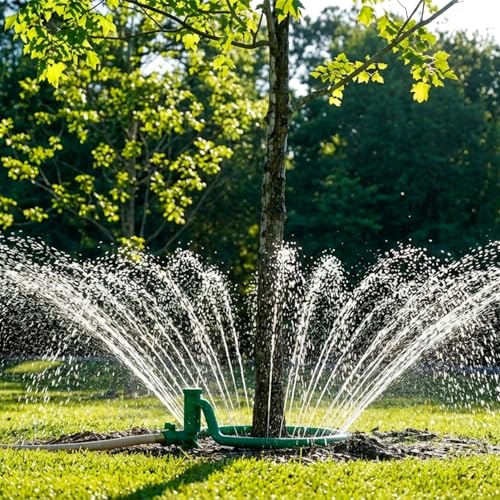
WATER WHERE IT MATTERS: The 360° outward direction is unlike a standard tree ring soaker hose that pools water at the base. Our patented tree sprinkler outward design sprays water away from the trunk and targets the "drip line" where feeder roots live. This highly effective root watering sprinkler for trees keeps the trunk dry and supports root health.
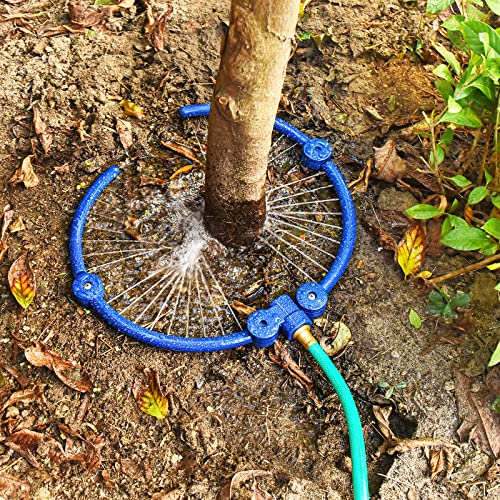
【Specially Designed for Trees and Shrubs】 The Watering Ring is a multi-purpose irrigation ring that attaches to a garden hose to efficiently water young trees shrubs vegetables or flower beds using drip or trickle irrigation.It directs water to the root perimeter of the plant to give them a good start during the first two growing seasons or through periods of drought.
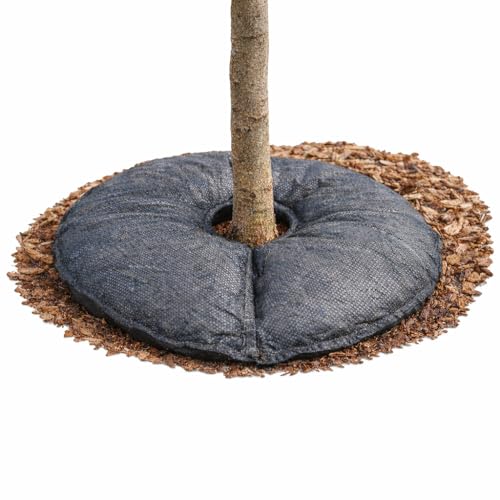
For Plants and Trees that with root balls about 12” in dia., (11-15”, e.g. 3-10 Gallon Container Sizes have top diameters between 11-15”) - Uses 99% LESS WATER than traditional tree bag over the course of multiple seasons for better establishment of the newly planted trees and shrubs! When the plant root ball is larger than 15”, the 36”, 48”, or multiple units of these larger sized SteadySpring Tree Mats are recommended to cover an area double of the root ball size or at least 20” larger than the root ball.
Temperature Range
Temperature stability is critical for fruit trees. Zone 7a typically experiences average winter temperatures between 0°F and 5°F. This range allows for diverse fruit species to thrive, as most fruit trees require a chilling period to break dormancy. During the growing season, temperatures rise, frequently reaching 70°F to 90°F, promoting healthy growth and fruit development. It’s essential to select varieties suited for this temperature range, as some may not withstand summer heat or winter cold.
Precipitation Levels
Precipitation levels in zone 7a are favorable for fruit trees, averaging about 40 inches annually. Adequate rainfall supports active growth periods, but consistent moisture is vital, especially during fruit set and ripening. You might consider installing a rainwater collection system to supplement watering during dry spells. Observe how different fruit trees respond to local rainfall patterns, ensuring you irrigate effectively to meet their needs without over-saturating the soil.
Best Fruit Trees for Zone 7a
Zone 7a offers a fantastic environment for growing a variety of fruit trees. Here are some of the best options for your garden.
Recommended Products

Light: Thrives in full sun for best fruit production.

Custard Apple shrub trees are able to grow in poor nutrient soil types (even in heavy limestone-filled soils).

These are ready to plant and should be put in the ground according to the included instructions upon arrival. All pictures are of fully grown plants. Sizes shipped are in the title and description. Deciduous plants do not have leaves in the winter.
Apple Trees
Apple trees thrive well in zone 7a, with several popular cultivars available. Varieties like ‘Honeycrisp,’ ‘Granny Smith,’ and ‘Fuji’ produce sweet and crisp apples. Plant these trees in full sun with well-drained soil. Prune them annually to maintain shape and remove dead wood. Expect fruit in 2 to 5 years after planting.
Pear Trees
Pear trees such as ‘Bartlett,’ ‘Bosc,’ and ‘Kieffer’ adapt well to zone 7a. They require cross-pollination, so plant different varieties nearby. These trees prefer full sun and well-drained soil. Regular watering during fruit development ensures a good yield. Typically, they bear fruit within 3 to 5 years.
Peach Trees
Peach trees grow best in zone 7a with varieties like ‘Red Haven,’ ‘Elberta,’ and ‘Frost.’ They enjoy full sun and well-draining soil. Offer consistent moisture, especially during fruit set and maturation. Be aware of pests like peach tree borers. Generally, expect mature fruit in 3 to 4 years after planting.
Plum Trees
Plum trees, including ‘Stanley,’ ‘Damson,’ and ‘Methley,’ produce juicy fruit in zone 7a. Plant them in full sun with rich, well-drained soil. These trees benefit from regular pruning for better air circulation and light exposure. Yield usually comes in 3 to 6 years after planting.
Cherry Trees
Cherry trees like ‘Bing,’ ‘Stella,’ and ‘Montmorency’ do well in zone 7a. Choose a sunny spot with well-draining soil for optimal growth. Ensure proper spacing for air circulation, as cherries can be susceptible to diseases. Most varieties yield fruit within 4 to 7 years after planting.
Explore these fruit trees to enjoy a bountiful harvest in your zone 7a garden.
Tips for Growing Fruit Trees in Zone 7a
Growing fruit trees in zone 7a can be rewarding with the right techniques. Here are some key tips to ensure a fruitful gardening experience.
Recommended Products

Quick, at home results for Soil pH, Nitrogen, Phosphorous and Potash Innovative and inexpensive soil test kit features an easy-to-use capsule system and patented color comparators

KNOW BEFORE YOU GROW | Grow the healthiest, sustainable lawn and garden with the most accurate and easy to use professional soil test kit on the market

Accurate Soil pH Testing: Dewildetradingco Soil pH Test Strips offer measurements of soil pH levels (pH 3.5-9). As an essential tool for every gardener and grower, these test strips help determine the optimal pH for various plants, such as outdoor plants, indoor plants, gardens, grass lawns, fruit trees, flowers, vegetables, and forest shrubs.
Soil Preparation
Start by testing your soil. Use a soil test kit to measure pH levels and nutrient content. Aim for a pH between 6.0 and 7.0, as most fruit trees thrive in this range. Incorporate organic matter like compost to improve soil structure. Loamy or sandy soils work best for drainage, promoting healthy root growth. When planting, dig a hole twice the width of the root ball and just as deep. This allows roots to spread easily.
Watering Requirements
Consistent moisture is vital during the growing season. Water your fruit trees deeply, aiming for 1 to 2 inches per week, especially during fruit set and ripening. A drip irrigation system can deliver water directly to the roots, minimizing waste. Mulch around the base of your trees to help retain moisture and regulate soil temperature. Keep an eye on rainfall patterns and adjust watering based on local conditions.
Pest Management
Monitor your fruit trees regularly for signs of pests. Common pests in zone 7a include aphids, scale insects, and fruit flies. Use insecticidal soap or natural predators like ladybugs as eco-friendly control methods. Encourage biodiversity by planting companion plants that attract beneficial insects. Always follow integrated pest management (IPM) practices to maintain a healthy garden ecosystem. Early detection and swift action help prevent severe infestations.
By following these tips, you’ll improve your chances of a successful fruit tree harvest in zone 7a.
Conclusion
Growing fruit trees in zone 7a can be a rewarding experience. With the right choices and care you can enjoy a bountiful harvest right from your backyard. Remember to select the varieties that suit your taste and space while keeping an eye on soil health and moisture levels.
Embrace the unique climate of zone 7a and watch your garden flourish. Whether you’re a seasoned gardener or just starting out there’s nothing quite like the satisfaction of picking fresh fruit you’ve nurtured yourself. Happy gardening and enjoy the fruits of your labor!
Frequently Asked Questions
What type of fruit trees grow best in climate zone 7a?
In climate zone 7a, the best fruit trees include apple, pear, peach, plum, and cherry. Specific cultivars, like ‘Honeycrisp’ for apples and ‘Redhaven’ for peaches, thrive well in this zone. These trees enjoy full sun and well-drained soil to ensure optimal growth.
How long does the growing season last in zone 7a?
The growing season in zone 7a lasts between 210 to 240 days. This makes it ideal for nurturing a variety of fruit trees that benefit from the favorable weather conditions typically seen in this climate zone.
What soil type is best for growing fruit trees in zone 7a?
Loamy or sandy soils are best for growing fruit trees in zone 7a, as they provide excellent drainage. Improving soil with organic matter and conducting regular tests can help achieve optimal growth conditions.
How much water do fruit trees need in zone 7a?
Fruit trees in zone 7a need regular deep watering, typically 1 to 2 inches per week. Consistent moisture is vital during fruit set and ripening to ensure healthy fruit development. Drip irrigation systems are recommended for effective watering.
When can I expect fruit production from my trees in zone 7a?
Fruit production times vary by tree type in zone 7a, generally taking between 2 to 7 years after planting. For instance, apple trees might start producing fruit in 3 to 5 years, while peach trees may take about 3 to 4 years.
How can I improve soil health for my fruit trees?
To enhance soil health, regularly test the pH and nutrient levels, paying attention to maintaining a pH of 6.0 to 7.0. Incorporating organic matter will improve soil structure and nutrient availability, leading to healthier fruit trees.
What pest management methods work best for fruit trees?
For effective pest management in fruit trees, consider using eco-friendly methods like insecticidal soaps and companion planting. Regular monitoring for pests is essential, allowing you to take action before damage occurs.
Why is temperature stability important for fruit trees?
Temperature stability is vital for fruit trees in zone 7a to ensure they undergo necessary chilling periods for dormancy break. This stability supports healthy growth during the growing season, optimizing fruit production.
