

Have you ever wondered how some fruit trees produce such delicious and diverse varieties? Grafted fruit trees are a fascinating solution that combines the best traits of different plants. This technique not only enhances fruit quality but also improves disease resistance and growth habits.
Imagine planting a single tree that yields apples, pears, or even cherries. Grafting makes this possible by joining parts from different trees to create a stronger, more productive plant. In this article, you’ll discover what grafted fruit trees are, how they work, and the benefits they bring to your garden. Whether you’re a seasoned gardener or just starting out, understanding grafting can help you grow a thriving fruit tree that suits your needs.
Key Takeaways
- Grafted fruit trees combine different plant parts (scion and rootstock) to enhance fruit yield, quality, and disease resistance.
- The grafting process involves careful selection, preparation, joining, securing, and post-grafting care to ensure successful growth.
- Benefits of grafted trees include improved fruit quality, increased disease resistance, and the ability to grow multiple fruit varieties on a single tree, maximizing garden space.
- Commonly grafted fruits include apple, citrus, and stone fruits, each benefiting from specific rootstocks that improve their growth and fruit characteristics.
- Employing best practices, such as selecting compatible varieties, timing, and proper aftercare, enhances the success rate of grafted fruit trees.
What Is Grafted Fruit Trees?
Grafted fruit trees result from combining different plant parts to enhance growth and fruit production. The process involves attaching one part, called the scion, which produces the fruits, to another part, known as the rootstock, which provides stability and nutrients.
Grafting Process
- Selection: Choose a healthy scion and compatible rootstock. The compatibility ensures successful growth and development.
- Preparation: Cut the scion at an angle for more surface area. Make a matching cut on the rootstock.
- Joining: Align the cambium layers of both parts to allow for nutrient exchange.
- Securing: Use grafting tape or wax to hold the parts together and protect them from elements.
- Post-Grafting Care: Monitor moisture levels and provide shade until the graft union heals.
Benefits of Grafted Fruit Trees
- Improved Fruit Quality: Grafting allows for the combination of desirable fruit characteristics, leading to better flavor and nutrition.
- Disease Resistance: Rootstocks often provide resistance to soil-borne diseases, reducing plant vulnerability.
- Enhanced Growth: Select rootstocks can control tree size, making harvesting and care easier for gardeners.
- Diverse Varieties: Grafting enables the growth of multiple fruit varieties on a single tree, maximizing space in small gardens.
- Apple Trees: Commonly grafted, offering varieties like Fuji or Granny Smith on one rootstock.
- Citrus Trees: Varieties like Meyer lemons and Valencia oranges can thrive on a single root system.
- Stone Fruits: Peaches and plums often share rootstocks for more compact growth and varied fruit.
Grafted fruit trees provide gardeners with the opportunity to grow high-quality fruits while optimizing space and enhancing plant resilience. With careful selection and management, your grafted trees can flourish and yield bountiful harvests.
Benefits of Grafted Fruit Trees
Grafted fruit trees offer several advantages that enhance your gardening experience. These benefits include improved fruit quality, increased disease resistance, and flexible growth options.
Recommended Products
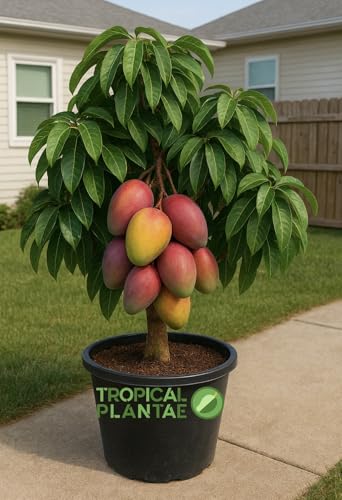
Imagine stepping into your backyard a few months from now and seeing a beautiful grafted Haden mango tree, growing stronger every day — a tree that will soon reward you with one of the most classic, flavorful mangoes ever grown.


Not available in CA
Improved Fruit Quality
Grafted fruit trees produce higher-quality fruits. With chosen rootstocks, these trees achieve better flavor profiles, size, and texture. For instance, apple varieties like Honeycrisp thrive when grafted onto specific rootstocks that boost their sweetness and crunch. You can enjoy a more rewarding harvest with fruits that stand out in taste and appearance.
Disease Resistance
Grafted fruit trees exhibit increased resistance to diseases. By selecting rootstocks known for their immunity to particular pests or diseases, you protect your plants. For example, many citrus trees grafted onto hardy rootstocks resist root rot and other soil-borne pathogens. Opting for grafted trees can significantly reduce your need for chemical treatments, leading to healthier plants and a more sustainable garden.
How Grafting Works
Grafting involves joining two different plant parts to create a strong, fruitful combination. This process utilizes the strengths of each component to enhance fruit quality, improve growth efficiency, and increase disease resistance.
Techniques of Grafting
Grafting techniques primarily include the following:
- Whip and Tongue Grafting: This method cuts both the scion and rootstock at an angle, allowing for a large surface area to connect. It’s ideal for young trees.
- Cleft Grafting: This technique involves cutting the rootstock in half and creating a cleft. The scion is then inserted into the cleft. It’s effective for larger rootstocks.
- Budding: Budding uses a single bud from the scion and inserts it under the bark of the rootstock. This method is beneficial for many fruit trees and often has a high success rate.
- Side-Veneer Grafting: In this technique, a slice is made on the side of the rootstock, and the scion is attached to this cut. It’s commonly used for nut trees.
Best Practices for Grafting
Following these best practices ensures successful grafting:
- Select Compatible Varieties: Choose a scion and rootstock that are compatible. Research their genetic backgrounds to maximize success.
- Use Sterilized Tools: Always use clean, sharp tools to prevent disease transmission. Sterilizing your tools between cuts helps maintain plant health.
- Timing Matters: Perform grafting in early spring as trees begin to bud. That’s when the sap flows best, promoting quick healing.
- Secure the Graft: Use grafting tape or wax to secure the scion and rootstock together. This prevents movement and protects them from disease.
- Monitor Aftercare: Keep an eye on the graft site. Ensure it stays moist but not waterlogged. Remove any shoots that grow below the graft to promote energy toward the scion.
Implementing these techniques and practices increases your chances of creating successful grafted fruit trees, leading to healthier plants and bountiful harvests.
Types of Grafted Fruit Trees
Grafted fruit trees fall into two main categories: common varieties and specialty grafts. Each type offers unique traits and benefits.
Recommended Products

Product Quantity: 180+ premium bonsai fruit seeds across 5 varieties; Individual packs contain 40+ apple, 40+ lemon, 40+ orange, 20+ blueberry, and 40+ cherry seeds; Perfect for starting a diverse miniature orchard

4 kinds of the most popular fruits, individually packaged, 50pcs Lemon seeds 50pcs Cherry seeds 50pcs Orange seeds 50pcs Apple seeds Fresh seeds, all fruit seeds are packed in tear and moisture resistant zipper sealed bags for your long term storage.

**Due to Agricultural Laws, we Cannot Ship to CA, AZ, AK, or HI- YOUR ORDER WILL BE CANCELED**
Common Varieties
Common grafted fruit trees include popular selections that thrive in various climates and soils. Here are some notable examples:
- Apple Trees: Many apple varieties, such as Honeycrisp and Fuji, flourish when grafted onto specific rootstocks. These rootstocks enhance sweetness and improve growth habits.
- Citrus Trees: Orange and lemon trees benefit from grafting. Varieties like Meyer lemons thrive on sour orange rootstocks, providing larger yields and disease resistance.
- Peach Trees: Standard peach trees, like Elberta, often get grafted onto rootstocks that promote hardiness. This method supports growth in less favorable conditions.
Specialty Grafts
Specialty grafts focus on unique traits or combinations for growers looking for something special. Here are a few examples:
- Multi-Grafted Trees: You can find trees with multiple fruit varieties grafted onto one rootstock. This approach provides diverse flavors—from apples to pears—on a single tree.
- Espalier Trees: Grafting allows you to create espaliered fruit trees that grow flat against walls. This technique maximizes space while producing fruits like peaches and apples in decorative forms.
- Heritage Varieties: Grafting helps preserve heirloom fruit varieties. You can enjoy ancient flavors while benefiting from modern disease resistance through compatible rootstocks.
These types of grafted fruit trees not only enhance your garden’s diversity but also optimize your fruit production. Choose varieties that suit your climate and soil for the best results.
Conclusion
Grafted fruit trees are a fantastic way to enjoy a variety of fruits while benefiting from improved quality and disease resistance. By combining different plant traits you can create a healthier and more productive garden. Whether you’re looking to grow your favorite apple or experiment with unique flavors on a single tree the possibilities are endless.
With the right techniques and care you can easily embark on this rewarding journey. So why not give grafting a try? You’ll not only enhance your gardening skills but also treat yourself to delicious fruits that you can be proud of. Happy gardening!
Frequently Asked Questions
What are grafted fruit trees?
Grafted fruit trees are created by joining parts from two different plants, usually a scion and a rootstock, to combine their best traits. This method enhances fruit quality, improves disease resistance, and optimizes growth habits.
How does the grafting process work?
The grafting process involves selecting a healthy scion and compatible rootstock, preparing the plant parts, joining them together, securing the union, and providing proper post-grafting care to ensure successful integration and growth.
What are the benefits of grafted fruit trees?
Grafted fruit trees produce higher-quality fruits with improved flavor, size, and texture. They also exhibit increased disease resistance and often require fewer chemical treatments, promoting healthier plants and a sustainable gardening experience.
What are common examples of grafted fruit trees?
Common examples include apple, citrus, and peach trees. These trees are popular among gardeners due to their adaptability to various climates and soils, making them ideal for a wide range of growing conditions.
What techniques are used in grafting?
Various grafting techniques include whip and tongue grafting, cleft grafting, budding, and side-veneer grafting. Each technique is suited for different types of trees and can contribute to the success of creating strong grafts.
How can I ensure successful grafting?
To ensure successful grafting, select compatible varieties, use sterilized tools, time the grafting in early spring, secure the graft properly, and monitor the grafted plant’s aftercare to encourage healthy growth and development.
What are specialty grafts?
Specialty grafts refer to unique combinations of plant varieties, such as multi-grafted trees that produce various fruits on one tree, espalier trees designed to save space, and heritage varieties that maintain heirloom flavors while benefiting from modern disease resistance.
