
Close Menu
    Fruit Tree Hub
    • Home
    • Apple Trees
    • Lemon Trees
    • Mango Trees
    • Orange Trees
    • More Trees
      • Best Fruit Trees
      • Apricot Trees
      • Cherry Trees
      • Fig Trees
      • Lime Trees
      • Mulberry Trees
      • Peach Trees
      • Pear Trees
      • Plum Trees
      • Pomegranate Trees
    • Tips and Advice
      • Tools
    • About Us
      • Contact
      • Privacy Policy
    Fruit Tree Hub
    Home»Tips and Advice»How to Prevent Birds from Eating Fruit Trees: Effective Strategies for a Healthy Harvest
    Tips and Advice

    How to Prevent Birds from Eating Fruit Trees: Effective Strategies for a Healthy Harvest

    Martha JacksonBy Martha JacksonJanuary 20, 20257 Mins Read
    Share Facebook Twitter Pinterest WhatsApp Email
    Share
    Facebook Twitter LinkedIn Pinterest Telegram Email

    Have you ever watched helplessly as birds feast on your precious fruit trees? It’s a frustrating sight for any gardener. Those vibrant fruits you’ve nurtured can vanish in a matter of days, leaving you with nothing but disappointment.

    Contents show
    1 Key Takeaways
    2 Understanding The Problem
    2.1 Why Birds Are Attracted To Fruit Trees
    2.2 Common Bird Species That Cause Damage
    3 Effective Prevention Techniques
    3.1 Netting Solutions
    3.2 Scare Tactics
    3.3 Reflective Objects and Sounds
    4 Natural Deterrents
    4.1 Planting Companion Plants
    4.2 Using Chemical Repellents
    5 Maintenance Tips
    5.1 Regular Monitoring
    5.2 Seasonal Adjustments
    6 Conclusion
    7 Frequently Asked Questions
    7.1 Why do birds eat fruit from trees?
    7.2 What bird species are known to damage fruit trees?
    7.3 What is the best method to prevent birds from eating fruits?
    7.4 How can scare tactics help in deterring birds?
    7.5 Are there natural methods to keep birds away from fruit trees?
    7.6 What do homemade repellents consist of?
    7.7 How often should I monitor my fruit trees for bird activity?
    7.8 How can I ensure the effectiveness of reflective objects?

    Key Takeaways

    • Understanding Bird Attraction: Birds are drawn to fruit trees for shelter, nesting materials, and easy access to ripening fruits’ vibrant colors and sweet scents.
    • Common Offenders: Species like sparrows, starlings, crows, and blue jays are notorious for damaging fruit trees, making it essential to identify these birds for targeted deterrent strategies.
    • Effective Prevention Techniques: Utilize bird netting, scare tactics (such as reflective objects and sounds), and natural deterrents to protect your harvest from feathered pests.
    • Natural Deterrents: Companion planting with species like marigolds, lavender, and anise can help repel birds, while environmentally friendly sprays can deter them without harming beneficial insects.
    • Maintenance and Monitoring: Regularly check your trees for signs of bird activity and adjust your deterrent strategies seasonally to ensure optimal protection as fruit ripens.

    Understanding The Problem

    Gardening brings joy, but watching birds eat your fruits can be disheartening. Understanding why birds are drawn to fruit trees helps you develop effective strategies to protect your harvest.

    MUST READ
    How Long Does a Grape Tree Take to Bear Fruit: Ideal Conditions for Faster Growth

    Why Birds Are Attracted To Fruit Trees

    Birds love fruit trees for several reasons. They provide shelter, nesting materials, and easy access to food. The vibrant colors and sweet scents of ripe fruits act like beacons, luring birds in search of nourishment.

    Common Bird Species That Cause Damage

    Certain bird species pose a greater threat to fruit trees. Here are some of the most common offenders:

    • Sparrows: These small birds flock together and quickly devour ripe berries and fruits.
    • Starlings: Known for their social behavior, starlings can strip an entire tree of fruit in a short time.
    • Crows: Crows are intelligent and persistent, often pilfering large fruits like cherries and peaches.
    • Blue Jays: These vivid birds are attracted to nuts and fruits, causing significant damage to trees.

    Familiarizing yourself with these species can help in crafting specific deterrent methods.

    Effective Prevention Techniques

    Preventing birds from eating fruits from your trees requires proactive measures. Here are several effective techniques to keep those pesky birds at bay.

    Recommended Products
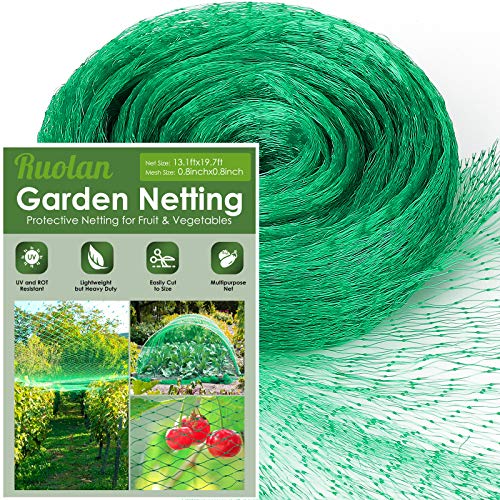
    Ruolan Bird Netting for Garden Protect Vegetable Plants and Fruit Trees13X20Ft,Plastic Trellis Netting for Birds, Deer,Squirrels and Other Animals
    Ruolan Bird Netting for Garden Protect Vegetable Plants and Fruit Trees13X20Ft,Plastic Trellis Netting for Birds, Deer,Squirrels and Other Animals

    【Perfect size】(Garden Netting size 13ftX20ft, Mesh Size 0.8inchX0.8inch), Protect fruit tree plant blueberry strawberry from animals

    VIEW LATEST PRICE

    As an affiliate, we earn on qualifying purchases.

    15ft x 15ft Fruit Tree Netting Cover with Zipper & Drawstring, Insect Bird Barrier Netting for Garden Protection, Ultra Fine Mesh Garden Netting, Extra Large
    15ft x 15ft Fruit Tree Netting Cover with Zipper & Drawstring, Insect Bird Barrier Netting for Garden Protection, Ultra Fine Mesh Garden Netting, Extra Large

    Extra Large Coverage: 15ft x 15ft bird netting offers full protection for large fruit trees and plants.

    VIEW LATEST PRICE

    As an affiliate, we earn on qualifying purchases.

    Bird Netting for Garden Protection - 4 Pack Garden Netting Pest Barrier with Drawstring,3.3Ft x 2.7Ft Mosquito Net Tomato Protective Cover Garden Plant Netting for Cicadas Vegetables Blueberry Bushes
    Bird Netting for Garden Protection - 4 Pack Garden Netting Pest Barrier with Drawstring,3.3Ft x 2.7Ft Mosquito Net Tomato Protective Cover Garden Plant Netting for Cicadas Vegetables Blueberry Bushes

    Protect Your Vegetables and Fruits: LCHUANG Garden Netting is great for orchards, greenhouses, gardens, nurseries, patios, and shrubs. This Bird Netting with a zipper can protect blueberries, tomatoes, trees, fruits, flowers, vegetables, and potted plants from insects, birds, and bugs, which helps the plants grow normally.

    MUST READ
    What to Plant Under Fruit Trees for a Thriving Garden Ecosystem and Soil Health
    VIEW LATEST PRICE

    As an affiliate, we earn on qualifying purchases.

    Netting Solutions

    Netting acts as a physical barrier. Use bird netting to cover your fruit trees. Choose a type that’s durable yet lightweight, allowing sunlight and rain to reach the fruits. Secure the edges tightly to prevent birds from slipping underneath. Make sure to check the netting regularly for tears and repair them quickly.

    Scare Tactics

    Scare tactics work by creating an environment that makes birds feel unsafe. Employ scare devices like plastic owls or reflectors that move in the wind. Hang objects such as aluminum foil strips or old CDs from branches. These items can create unexpected reflections and sounds, deterring birds from coming close. Regularly change their positions to maintain their effectiveness.

    Reflective Objects and Sounds

    Reflective objects and sounds serve as an additional deterrent. Scatter shiny objects, such as reflective tape or old mirrors, around the trees. Install wind chimes or motion-activated noise devices for added effect. These methods can confuse and scare birds, making them less likely to approach your fruit trees.

    Natural Deterrents

    You can use natural deterrents to keep birds away from your fruit trees effectively. These methods are environmentally friendly and can complement other protective measures.

    Recommended Products

    Bonide Captain Jack's Fruit Tree Spray, 16 oz Concentrate | Insect & Disease Control Spray, For Organic Gardening
    Bonide Captain Jack's Fruit Tree Spray, 16 oz Concentrate | Insect & Disease Control Spray, For Organic Gardening

    Control diseases and insects in your garden with Captain Jack’s Fruit Tree Spray Concentrate! Use on a variety of listed fruits, nuts and citrus plants.
    VIEW LATEST PRICE

    As an affiliate, we earn on qualifying purchases.

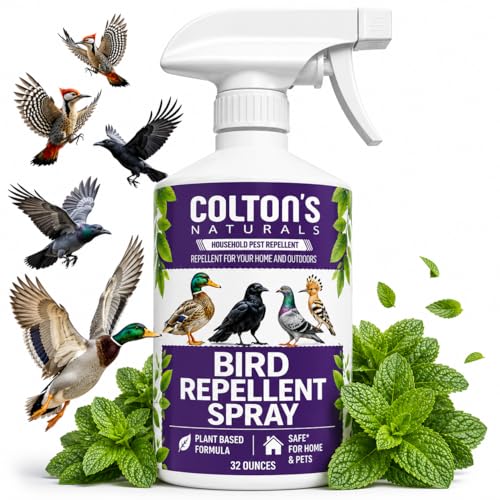
    Bird Repellent Spray (32 OZ) Deter Birds from Outdoor Surfaces, Garden Areas Deterrent Natural Woodpecker, Pigeon and More Natural
    Bird Repellent Spray (32 OZ) Deter Birds from Outdoor Surfaces, Garden Areas Deterrent Natural Woodpecker, Pigeon and More Natural

    REPEL A WIDE VARIETY OF BIRDS NATURALLY: Helps deter a wide range of nuisance birds, including pigeons, seagulls, crows, geese, ducks, woodpeckers, sparrows, magpies, and more.

    VIEW LATEST PRICE

    As an affiliate, we earn on qualifying purchases.

    Bonide Captain Jack's Fruit Tree Spray, 32 oz Concentrate | Insect & Disease Control, For Organic Gardening
    Bonide Captain Jack's Fruit Tree Spray, 32 oz Concentrate | Insect & Disease Control, For Organic Gardening

    Control diseases and insects in your garden with Captain Jack’s Fruit Tree Spray Concentrate! Use on a variety of listed fruits, nuts and citrus plants.

    MUST READ
    What Fruits Grow in Trees Shrubs: A Guide to Growing Delicious Produce in Your Garden
    VIEW LATEST PRICE

    As an affiliate, we earn on qualifying purchases.

    Planting Companion Plants

    Planting companion plants around your fruit trees can help repel birds. Consider these examples:

    • Marigolds: Their strong scent can deter various bird species.
    • Lavender: The aroma of lavender not only attracts pollinators but also keeps birds at bay.
    • Anise: This plant’s unique fragrance is often unappealing to many birds.

    Choose companion plants that thrive in your area. Position them strategically to create a natural barrier that redirects birds away from your trees.

    Using Chemical Repellents

    Using chemical repellents can provide another layer of protection for your fruit trees. Here are some tips:

    • Taste Aversion Sprays: Look for sprays designed to make fruits taste bitter. Apply them according to package instructions, covering all exposed fruits.
    • Essential Oils: Certain essential oils, like peppermint or citronella, can deter birds when diluted and sprayed around your trees. Reapply after rain or heavy winds for effectiveness.
    • Homemade Mixtures: Combine water, hot pepper flakes, and dish soap to create a homemade spray. Test on a small fruit section first to ensure it doesn’t cause damage.

    When using chemical repellents, always follow safety guidelines to protect beneficial insects and plants nearby.

    Maintenance Tips

    Maintaining your fruit trees involves regular check-ins and adjustments to keep birds at bay. These practices will help you protect your precious harvest effectively.

    Recommended Products

    Feitore Deer Fence Netting, 7x100ft Garden Net Bird Netting,Reinforced Edge | Anti-UV Garden Fencing Kit for Plants Fruit Tree Vegetable Protection from Animals, 3/4" Fine Mesh, 10 Stakes & 50 Zip Ties
    Feitore Deer Fence Netting, 7x100ft Garden Net Bird Netting,Reinforced Edge | Anti-UV Garden Fencing Kit for Plants Fruit Tree Vegetable Protection from Animals, 3/4" Fine Mesh, 10 Stakes & 50 Zip Ties

    Size: Deer netting size 7 feet x 100 feet; garden netting mesh size 3/4"; color: black; Easy to use accessories included: 10pcs installation nails & 50pcs cable ties

    VIEW LATEST PRICE

    As an affiliate, we earn on qualifying purchases.

    Anti Bird Netting for Fruit Trees for Garden Protection, 3 m, 6 m, 9 m, 15 m, 30 m for Apple Trees (13 x 26 ft (4 x 8 m))
    Anti Bird Netting for Fruit Trees for Garden Protection, 3 m, 6 m, 9 m, 15 m, 30 m for Apple Trees (13 x 26 ft (4 x 8 m))

    【Heavy Duty Bird Netting】 Protect your garden, fruit trees, vegetables, blueberries, strawberries, vines, chicken coop and raised beds with this durable bird netting. It effectively keeps birds, deer, squirrels and other small animals away without hurting them.

    MUST READ
    What is the Fastest Fruit Tree to Grow and How to Maximize Your Harvest in Just Years
    VIEW LATEST PRICE

    As an affiliate, we earn on qualifying purchases.

    50 Pcs Fruit Protection Bags, 6×9 in Mesh Cover Nets for Tree, Green | Drawstring Netting, Protect Fruits, Dense Fine Mesh, for Vegetables Strawberry Tomato Garden, Reusable and Soft
    50 Pcs Fruit Protection Bags, 6×9 in Mesh Cover Nets for Tree, Green | Drawstring Netting, Protect Fruits, Dense Fine Mesh, for Vegetables Strawberry Tomato Garden, Reusable and Soft

    Effective Pest Protection: Designed with a dense fine mesh and tight weave, keeps insects, birds, and small animals away from your fruits and vegetables, prevents them eating and damaging your fruit

    VIEW LATEST PRICE

    As an affiliate, we earn on qualifying purchases.

    Regular Monitoring

    Check your fruit trees frequently to assess bird activity. Observe from a distance to spot any signs of birds feeding. Look for fruits that show signs of pecking or unwanted visits. If you notice a sudden increase in birds, take action immediately. Adjust your deterrents accordingly, whether it means fixing bird netting or repositioning scare tactics. Regular monitoring empowers you to respond quickly, helping to safeguard your fruits before significant damage occurs.

    Seasonal Adjustments

    Adapt your strategies based on the season. In spring, when fruits begin to bloom, increase protective measures to deter nesting birds. As the harvest season approaches, ensure any physical barriers, like nets, are in good condition. Consider changing your scare tactics as well—what worked in spring may need refreshing in summer. Rotate new reflective objects or reposition sound devices to maintain their effectiveness. Stay proactive by assessing your approach at least once a month, adjusting for different fruit types and their respective harvest times.

    Conclusion

    Protecting your fruit trees from birds doesn’t have to be a constant battle. By combining various strategies like using bird netting and incorporating natural deterrents, you can create an environment that keeps your fruits safe. Regular monitoring and seasonal adjustments will help you stay one step ahead of those pesky birds.

    MUST READ
    What Fruit Trees Grow Well in Indiana: Top Choices for Your Home Orchard

    Remember to keep things fresh by rotating your scare tactics and reflective objects. With a little effort and creativity, you can enjoy the fruits of your labor without sharing too much with your feathered friends. Happy gardening!

    Frequently Asked Questions

    Why do birds eat fruit from trees?

    Birds are attracted to fruit trees because they provide easy access to food, shelter, and nesting materials. The bright colors and sweet scents of ripe fruits act as natural lures, making these trees appealing habitats.

    What bird species are known to damage fruit trees?

    Common bird species that cause damage to fruit trees include sparrows, starlings, crows, and blue jays. Familiarizing yourself with these birds can help in developing effective protective strategies.

    What is the best method to prevent birds from eating fruits?

    Using bird netting is one of the most effective methods to protect fruits. It’s essential to choose durable, lightweight netting and check it regularly for any tears or damage.

    How can scare tactics help in deterring birds?

    Scare tactics, such as plastic owls, reflectors, and hanging shiny objects, create a sense of danger for birds. These strategies can make birds feel unsafe, encouraging them to avoid your fruit trees.

    Are there natural methods to keep birds away from fruit trees?

    Yes, planting companion plants like marigolds, lavender, and anise can repel birds naturally. These plants enhance aesthetics while serving as a protective barrier.

    What do homemade repellents consist of?

    Homemade repellents can be made from water, hot pepper flakes, and dish soap. It’s recommended to test these mixtures on a small section of fruit first to ensure they don’t cause damage.

    How often should I monitor my fruit trees for bird activity?

    Regular monitoring is crucial, especially during nesting seasons and harvest time. Gardeners should frequently check for signs of bird activity to adapt protective measures promptly.

    How can I ensure the effectiveness of reflective objects?

    To maintain effectiveness, rotate reflective objects and scare tactics frequently. Birds can become accustomed to static deterrents, so changing their positions helps keep them effective.

    Share. Facebook Twitter Pinterest LinkedIn Tumblr Email
    martha jackson
    Martha Jackson

      Martha Jackson is an accomplished freelance writer and editor with a strong interest in gardening. With a degree in English from the University of California, Berkeley, Martha has over 15 years of experience writing for a variety of publications. She is passionate about making gardening accessible to all and is always seeking out new techniques and innovations.

      Related Posts

      How Long Until Avocado Trees Bear Fruit and Tips for Faster Growth at Home

      February 20, 2025

      What Yellow Fruit Grows on Trees and Their Delicious Health Benefits

      February 20, 2025

      How to Air Layer Fruit Trees: A Step-by-Step Guide for Successful Propagation

      February 20, 2025

      When Do Grapefruit Trees Produce Fruit and How to Maximize Your Harvest

      February 20, 2025

      What Is a Fast Growing Fruit Tree: Discover Quick-Yield Options for Your Garden

      February 20, 2025

      Do Cherry Blossom Trees Have Fruit? Discover the Truth About Their Edibility and Benefits

      February 20, 2025
      Leave A Reply Cancel Reply

      Affiliate Disclosure

      As an Amazon Associate I earn from qualifying purchases.

      Recommended Reading

      Are asian pear trees self pollinating?

      Plum Trees in a Pot in Oregon: PNW Container Success Secrets

      How to Properly Store Raspberries for Freshness and Extended Shelf Life

      Do You Need 2 Avocado Trees for Fruit: Explore Pollination Benefits and Growing Tips

      How to Improve Soil for Walnut Trees

      Why Do Almond Trees Have Hard Shells

      Walnut Trees in Jacksonville, FL: Subtropical Success Tips

      The Best Fruit Trees for Adelaide Plains: Essential Varieties and Maintenance Tips

      How Seedless Grapes Grow: Cultivation Techniques, Harvesting Tips & Future Trends

      Shopping Guide: Does Summer Winds Nursery Offer Grapefruit Trees Worth Your Garden?

      Fruit Tree Hub

      Fruit Tree Hub is a website dedicated to providing you everything you need to grow fruit trees successfully at in your own yard.

      Contact us at: [email protected]

      - AFFILIATE DISCLOSURE: As an Amazon Associate I earn from qualifying purchases.

      Latest Posts

      18 Coastal Crochet Tops in White and Neutral Shades

      16 Retro Crochet Tops Built Around Multicolor Granny Squares

      16 Modest Crochet Tops Featuring Higher Necklines

      19 Cottagecore Crochet Tops With Square Necklines

      13 Ruffled Crochet Tops With Flared Hems

      19 Lace Crochet Tops Featuring Intricate Openwork

      14 Floral Crochet Tops Inspired by Botanical Motifs

      20 Boho Crochet Halter Tops for Festival Outfits

      Categories
      • Almond Trees
      • Apple Trees
      • Apricot Trees
      • Best Fruit Trees
      • Blackberry
      • Cantaloupe
      • Cherry Trees
      • Christmas Crochet Ideas
      • Crochet Bag Ideas
      • Crochet Blanket Ideas
      • Crochet Dress Ideas
      • Crochet Ideas
      • Crochet Ideas for Beginners
      • Crochet Top Ideas
      • Cucamelon
      • Easy Crochet Ideas
      • Easy Knitting Projects
      • Fall Crochet Ideas
      • Fig Trees
      • Grapefruit Trees
      • Grapes
      • Guava Trees
      • Halloween Crochet Ideas
      • Honeydew
      • Jujube Trees
      • Kiwi
      • Knitting For Beginners
      • Knitting Ideas
      • Knitting Inspiration
      • Lemon Trees
      • Lime Trees
      • Loquat Trees
      • Mango Trees
      • Mulberry Trees
      • Nectarine Trees
      • Olive Trees
      • Orange Trees
      • Papaya Trees
      • Peach Trees
      • Pear Trees
      • Persimmon Trees
      • Planting
      • Plum Trees
      • Pomegranate Trees
      • Quince Trees
      • Raspberry
      • Reviews
      • Small Crochet Ideas
      • Star Fruit Trees
      • Summer Crochet Ideas
      • Tamarind Trees
      • Tangerine Trees
      • Tips and Advice
      • Tools
      • Uncategorized
      • Walnut Trees
      • Winter Crochet Ideas
      © 2026 Fruit Tree Hub
      • Home
      • About Us
      • Contact
      • Privacy Policy
      • Terms and Conditions
      • Disclaimer
      • Editorial Policy
      • Affiliate Disclosure

      Type above and press Enter to search. Press Esc to cancel.