

Do you want your fruit trees to thrive while keeping weeds at bay? Mulching is a simple yet effective way to give your trees the care they need. Picture this: you’ve planted your favorite fruit trees, but the weeds and dry soil threaten their growth.
Key Takeaways
- Weed Control: Mulching blocks sunlight, effectively suppressing weed growth and allowing your fruit trees to thrive without competition for nutrients and water.
- Moisture Retention: A 2 to 4-inch layer of mulch helps retain soil moisture, reducing evaporation and helping roots stay hydrated, especially during hot weather.
- Temperature Regulation: Mulch insulates soil, maintaining stable temperatures which is crucial for healthy root development throughout seasonal changes.
- Soil Improvement: Decomposing mulch adds organic matter and essential nutrients to the soil, enhancing fertility and supporting the overall health of your fruit trees.
- Pest and Disease Mitigation: Mulching creates a barrier against soil-borne diseases and pests, while certain materials can attract beneficial insects that help control harmful pests.
- Erosion Prevention: With mulch in place, soil erosion is minimized, protecting your fruit trees’ growing environment from nutrient loss and instability.
Importance Of Mulching Around Fruit Trees
Mulching around fruit trees offers several advantages that directly enhance their growth and health.
Weed Control
Mulch suppresses weed growth by blocking sunlight, preventing weeds from competing for nutrients and water. You can apply 2 to 4 inches of mulch, such as wood chips or straw, around the base of the tree to effectively reduce weeds.
Moisture Retention
Mulch helps retain soil moisture by reducing evaporation. This is crucial, especially during hot summer months. Keeping the soil consistently moist encourages deeper root growth, making your fruit trees more resilient.
Temperature Regulation
Mulch acts as an insulator, maintaining a more stable soil temperature. It keeps roots cooler during the heat and warmer during cold spells. This temperature consistency supports root health, especially during early growth stages.
Soil Improvement
As mulch breaks down, it adds organic matter to the soil. This enriches the soil with essential nutrients, enhancing its fertility. Adding compost or grass clippings as mulch can further boost nutrient levels.
Pest and Disease Mitigation
Mulching can help prevent soil-borne diseases and pests. It creates a barrier, reducing the chance of these issues affecting the trunk or roots. Using specific materials, such as shredded leaves, can attract beneficial insects that help control pests.
Erosion Prevention
Mulch reduces soil erosion by protecting the surface from heavy rains. This keeps the soil intact, preventing nutrient loss and ensuring your fruit tree has a stable environment to thrive.
Incorporate mulching practices into your fruit tree care routine. Being mindful of the type and depth of mulch applied will significantly impact the health and productivity of your trees.
Benefits Of Mulching
Mulching around fruit trees offers several critical benefits that enhance their growth and overall health. Here’s a closer look at some key advantages.
Recommended Products

Natural Cedar; Use with your outdoor and indoor plants; will hold moisture in! THIS IS A 4 QUART SIZE OF CEDAR CHIPS

ALL-NATURAL INGREDIENTS: No added fertilizers or pesticides

100% Natural Expanding Mulch Medium - Made from natural coconut husks, Plantonix Coco Chips create a protective mulch layer for outdoor plants, raised beds, flower gardens, trees, shrubs, and container plants. Coco husk chips are perfect for tropical plants, orchids, and outdoor gardens where it’s important to retain moisture throughout the growing season.
Moisture Retention
Mulch plays a vital role in retaining moisture in the soil. Organic materials like wood chips or straw absorb water and release it slowly, ensuring roots receive a steady supply. This process reduces the frequency of watering, saving you time and effort. Aim for a mulch layer about 3 inches thick to optimize moisture retention effectively.
Weed Suppression
One of the most significant advantages of mulching is its ability to suppress weeds. A mulch layer blocks sunlight, preventing weed seeds from germinating and competing with your fruit trees for nutrients. Regularly check for any stubborn weeds that might push through the mulch, and remove them promptly to maintain a healthy environment for your trees.
Soil Temperature Regulation
Mulch helps regulate soil temperature, providing a stable environment for root growth. During hot summer months, mulch keeps soil cooler. In colder seasons, it insulates the ground, protecting roots from freezing conditions. This temperature regulation encourages healthy root development and enhances fruit tree resilience.
Types Of Mulch
Selecting the right mulch for your fruit trees promotes healthy growth and effective protection. Understanding the differences between organic and inorganic mulch options can help you make an informed decision.
Recommended Products
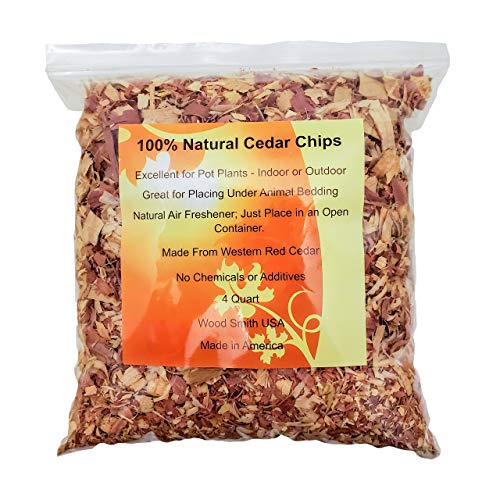
100% Natural Cedar; Use with your outdoor and indoor plants; will hold moisture in! 4 Quart; Natural product so cedar shavings vary in size.

ALL-NATURAL INGREDIENTS: No added fertilizers or pesticides

PREMIUM RED MULCH: Vibrant red wood chip mulch colored with non-toxic dye that is safe for soil, pets, and plants, enhancing the visual appeal of gardens and landscapes
Organic Mulch Options
Organic mulch enriches the soil as it decomposes, benefiting your fruit trees. Here are some popular organic mulch choices:
- Wood Chips: Use a layer of wood chips around the base. They break down slowly and provide nutrients. Aim for a thickness of 2 to 4 inches.
- Straw: Lay down straw for lightweight coverage. It retains moisture well and offers a more breathable layer. Keep it 3 to 4 inches thick.
- Grass Clippings: Spread fresh or dried grass clippings. They decompose quickly and improve soil fertility. Apply in a thin layer of about 1 inch to avoid matting.
- Shredded Leaves: Collect and use shredded leaves as mulch. They hold moisture and create habitat for beneficial organisms. About 2 to 3 inches works well.
- Compost: Apply a layer of compost. It not only suppresses weeds but also adds rich nutrients to the soil. Use a thickness of 1 to 2 inches for best results.
Inorganic Mulch Options
Inorganic mulch options do not decompose, making them long-lasting. Here are common choices:
- Rubber Mulch: Use rubber mulch for durability. It’s perfect for retaining soil moisture and preventing weed growth. Lay it down at about 2 to 3 inches thick.
- Stones or Gravel: Choose stones or gravel for excellent drainage. They stay put and deter weeds effectively. A thickness of 2 to 4 inches is ideal.
- Landscape Fabric: Lay down landscape fabric beneath other mulch layers to suppress weeds. This isn’t a mulch itself but supports other materials. Ensure it’s installed properly, covering the entire area.
- Plastic Mulch: Use black or clear plastic sheets for effective weed control. They heat the soil, promoting faster growth. Cut holes for plants and secure edges to prevent movement.
Each mulch type affects your fruit trees differently, so choose one that aligns with your gardening goals. Consider local climate conditions and individual tree needs when making your selection.
How To Properly Mulch Around Fruit Trees
Properly mulching around fruit trees promotes their health and productivity. This section outlines the steps to take for effective mulching.
Recommended Products

BEAUTIFUL SOIL COVERING - Add visual consistency to your indoor potted plant garden with house plant mulch - Mulch chips are longer lasting than coconut coir or shavings
100% Natural Cedar; Use with your outdoor and indoor plants; will hold moisture in! 16 Quart; Natural product so cedar shavings vary in size.

High-Quality Non-Woven Fabric: Crafted from top-tier felt, these tree ring mulch mat offer long-lasting performance, ensuring optimal care for your trees.Before purchasing, please be aware of the hardness of this type of non-woven felt mat, which is different from the wooden tree ring
Preparing The Area
- Clear Debris: Remove all weeds, grass, and any plant material from the area around the base of the tree. This prevents competition for nutrients.
- Water the Soil: Water the soil thoroughly before applying mulch. This helps settle the soil and ensures moisture availability.
- Check Soil Quality: Assess the soil condition. If it’s compacted or lacking nutrients, consider amending it with organic matter like compost.
Applying The Mulch
- Choose Mulch Type: Select your mulch based on the needs of your trees and local climate. Organic options like wood chips or straw are beneficial as they decompose.
- Layer Thickness: Spread mulch in a layer about 2 to 4 inches thick. Too much mulch can suffocate roots, while too little won’t provide adequate benefits.
- Create a Mulch Ring: Form a circular ring of mulch around the trunk, extending it out to the drip line (the edge of the tree’s canopy). Keep the mulch at least 3 inches away from the trunk to prevent rot.
- Monitor Thickness: Check the mulch layer every few months. Replenish the mulch to maintain that 2 to 4-inch thickness.
- Watch for Pests: Keep an eye out for pests or mold. Remove any affected mulch and replace it with fresh materials.
- Seasonal Adjustments: Adjust your mulch type or thickness seasonally if needed. For example, add more mulch in winter to insulate roots from freezing temperatures.
Conclusion
Mulching around your fruit trees is a simple yet powerful way to boost their health and productivity. By choosing the right type of mulch and applying it correctly, you’re setting your trees up for success.
Remember to keep an eye on your mulch layer and adjust as needed to maintain the best conditions. With a little care and attention, you’ll enjoy thriving fruit trees that yield delicious harvests for years to come. So grab your mulch and get started—your trees will thank you!
Frequently Asked Questions
What are the main benefits of mulching for fruit trees?
Mulching offers several benefits for fruit trees, including weed control, moisture retention, temperature regulation, and soil improvement. It suppresses weeds by blocking sunlight, retains moisture for deeper root growth, and helps regulate soil temperatures. Additionally, as mulch decomposes, it enriches the soil with nutrients and creates a barrier against pests and diseases.
How does mulching help with soil moisture?
Mulch retains soil moisture by absorbing water and slowly releasing it. This reduces the frequency of watering and ensures that the roots of fruit trees have a consistent supply of moisture, which is crucial for healthy growth, especially during dry periods.
What types of mulch are best for fruit trees?
There are two main types of mulch for fruit trees: organic and inorganic. Organic options like wood chips, straw, and compost enrich the soil as they decompose. Inorganic choices such as rubber mulch, stones, and landscape fabric provide long-lasting weed control and moisture retention. Choose based on tree needs and local climate.
How thick should I apply mulch around fruit trees?
A mulch layer of 2 to 4 inches is recommended around fruit trees. This thickness provides effective weed suppression, moisture retention, and insulation without suffocating the roots. Be sure to create a mulch ring while keeping it away from the trunk to prevent rot.
How do I properly mulch around my fruit trees?
Start by clearing debris, watering the soil, and checking its quality. Choose the right mulch type and spread it in a 2 to 4-inch layer. Create a mulch ring around the trunk while keeping it 1-2 inches away to prevent trunk rot. Monitor mulch thickness and watch for pests regularly.
