

Have you ever wondered if fall is the right time to plant fruit trees? As the leaves turn and temperatures drop, many gardeners are left questioning their planting schedules. You might think spring is the prime time for planting, but fall can offer some surprising advantages.
Key Takeaways
- Fall is Ideal for Planting: Cooler temperatures in fall promote root development, allowing fruit trees to establish strong root systems before winter sets in.
- Moisture Management: Increased fall rainfall helps maintain soil moisture, reducing the need for frequent watering of newly planted trees.
- Less Competition from Weeds: Fall planting decreases competition from weeds, as most weed growth slows down, allowing trees to focus on establishing themselves.
- Optimal Timing: For successful fall planting, aim to do so 6 to 8 weeks before the first expected frost, ensuring the trees have enough time to settle in.
- Consider Frost Risks: Newly planted trees are vulnerable to frost damage; take precautions such as mulching or covering them with frost cloth if needed.
- Spring Planting Advantages: While fall has its perks, spring planting offers benefits like warmer soil and available varieties, promoting robust growth for fruit trees.
Overview of Planting Fruit Trees
Planting fruit trees in fall offers distinct advantages. The cooler temperatures promote root growth while reducing stress on the trees. This season provides ample time for roots to establish before the cold winter sets in.
Benefits of Fall Planting
- Root Development: Fall planting encourages strong root systems. Roots can grow without the distraction of leaf production.
- Moisture Retention: Increased rainfall in fall helps maintain soil moisture. This can reduce the need for frequent watering.
- Less Heat Stress: Cooling temperatures decrease stress on newly planted trees. They adapt better without the extreme heat of summer.
Ideal Conditions for Fall Planting
- Soil Temperature: Aim for soil temperatures between 50°F and 65°F. These temperatures support active root growth.
- Timing: Plant fruit trees 6 to 8 weeks before the first expected frost. This gives trees time to settle in.
- Weather Considerations: Choose a clear, mild day for planting. Avoid days when heavy rain is forecasted, as this can wash away newly planted soil.
- Select the Right Tree: Choose varieties suited to your climate and soil type. Check local guidelines for optimal choices.
- Prepare the Soil: Ensure good drainage and enrich with organic matter. This promotes healthy growth.
- Dig the Hole: Create a planting hole twice as wide as the root ball and as deep as the root system. This encourages root expansion.
- Place the Tree: Position the tree in the center of the hole. Ensure the graft union sits above the soil line.
- Backfill: Fill the hole gently with soil. Firm the soil around the base while avoiding compaction.
- Water Thoroughly: Water the newly planted tree deeply. This helps eliminate air pockets and supports early establishment.
By following these practices, you enhance the likelihood of success for your fall-planted fruit trees. You’ll enjoy the benefits of robust trees that can thrive in the seasons to come.
Advantages of Fall Planting
Planting fruit trees in the fall offers several benefits that contribute to the trees’ health and growth. Understanding these advantages can help you make informed decisions for your garden.
Cooler Temperatures and Root Development
Cooler temperatures in fall create an ideal environment for root establishment. When you plant in cooler weather, trees focus energy on developing roots instead of foliage. This early root growth prepares your trees for a successful spring. For example, soil temperatures can remain warm enough for root growth even when air temperatures drop. A well-established root system enhances resilience against drought and improves nutrient uptake.
Reduced Competition with Weeds
Fall planting reduces competition from weeds. Most weeds thrive in warmer weather and begin to slow down as temperatures drop. By planting fruit trees in the fall, you give them a head start against weeds that can compete for nutrients and water. For instance, planting late in the season allows your trees to focus on establishing themselves without the struggle of battling established weeds. This minimizes the need for herbicides and encourages healthier growth for your fruit trees.
Disadvantages of Fall Planting
While fall offers unique advantages for planting fruit trees, it also presents certain challenges that gardeners should consider.
Recommended Products

Extra Thick Tree and Plant Covers for Winter: Scrubits Frost Blankets for outdoor plants and Trees will ensure that your Trees and large plants not only survive the winter but thrive and grow to blossom. With its extra thick fabric and long-lasting material, you can be confident about next year's harvest.

Agfabric plant covers are designed as a frost freeze protection,which is used to extend the growing season in cold winter and early spring wheather, allows 30%-50% light transmittance, resists harsh weather such as frost, wind, snow, hail.The heavy-weight FRCs is 1.5oz.

Extra Thick Tree and Plant Covers for Winter: Scrubits Frost Blankets for outdoor plants and Trees will ensure that your Trees and large plants not only survive the winter but thrive and grow to blossom. With its extra thick fabric and long-lasting material, you can be confident about next year's harvest.
Potential for Frost Damage
Frost can pose a significant threat to newly planted trees. If temperatures drop unexpectedly after planting, the tender roots and buds may suffer damage. Protect young trees with mulch or frost cloth if frost is anticipated. Monitor local weather forecasts closely to safeguard your investment.
Limited Growth Before Winter
Fall planting limits growth time for fruit trees before winter sets in. Trees may establish roots but won’t generate substantial top growth during colder months. This slower growth can delay the tree’s overall development in the following spring. Choose varieties that are hardy and prepared for the transition, as this selection can influence future growth patterns.
Alternative Seasons for Planting
Fall isn’t the only season for planting fruit trees. Both spring and summer offer distinct advantages and considerations for successful tree establishment.
Recommended Products

COMPLETE BACKYARD ORCHARD BUNDLE 🍒🍑🍎 Includes 6 live fruit trees total with 2 Black Cherry Trees, 2 Plum Trees, and 2 Apple Trees for a beautiful and productive home orchard.

4 kinds of the most popular fruits, individually packaged, 50pcs Lemon seeds 50pcs Cherry seeds 50pcs Orange seeds 50pcs Apple seeds Fresh seeds, all fruit seeds are packed in tear and moisture resistant zipper sealed bags for your long term storage.
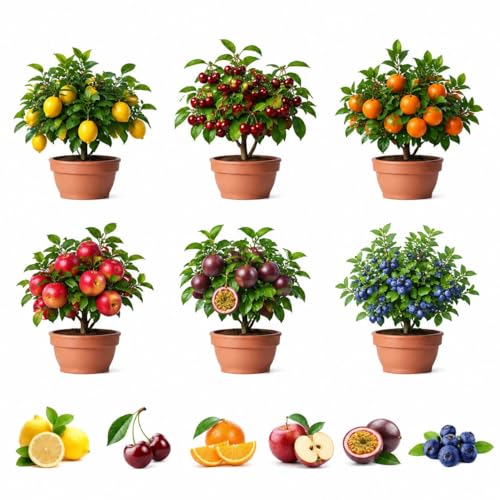
Comprehensive Fruit Variety Pack: This collection features 180 total seeds including 40 Lemon, 40 Orange, 40 Apple, 40 Passion Fruit, 10 Cherry, and 10 Blueberry seeds for a diverse home orchard experience
Spring Planting Benefits
Spring provides numerous benefits for planting fruit trees. Soil warms up, promoting active root growth. Trees planted in spring can benefit from increased sunlight, which fosters quick leaf development.
- Optimal Growth Conditions: Spring temperatures encourage robust growth and allow trees to establish before summer heat sets in.
- Water Availability: Spring rains often provide adequate moisture, ensuring newly planted trees receive necessary hydration.
- Variety Selection: Spring offers a wide selection of tree varieties at nurseries, giving you options that may not be available in fall.
Spring is ideal for gardeners looking for quick establishment and vigorous growth, making it a favored season for many.
Summer Planting Considerations
Summer planting comes with unique challenges and benefits. While it’s not the preferred season, it can still work with careful planning.
- Heat Stress Management: Young trees might struggle with heat. Providing shade during the hottest parts of the day helps mitigate stress.
- Watering Regimen: You’ll need to water frequently. Newly planted trees require consistent moisture, especially in high temperatures.
- Pest Awareness: Pests are more active in summer. Monitor your trees for signs of infestation and take action promptly to protect them.
Though summer planting poses risks, it can succeed with diligent care and attention. Depending on your local climate, you might find success planting during this season if conditions are right.
Conclusion
Fall can be a fantastic time to plant fruit trees if you consider the unique advantages it offers. Cooler temperatures and increased moisture create ideal conditions for root development. By planting in the fall you give your trees a head start for the next growing season.
While there are some challenges to keep in mind like frost risks and limited top growth, choosing hardy varieties and taking protective measures can help ensure success. If you follow the tips shared in the article you’ll set your fruit trees up for a healthy future. So if you’re thinking about expanding your garden this fall, go for it and enjoy the fruits of your labor in the years to come.
Frequently Asked Questions
Is fall a good time to plant fruit trees?
Yes, fall can be an excellent time to plant fruit trees. Cooler temperatures promote strong root development, and increased rainfall helps with moisture retention. Additionally, reduced heat stress allows newly planted trees to focus on establishing roots, preparing them for a successful spring.
What are the advantages of planting fruit trees in the fall?
Fall planting offers several benefits, including improved root establishment, less competition from weeds, and better moisture retention. These conditions support healthy growth and can enhance the chances of successful tree establishment before winter.
What disadvantages should I consider when planting in the fall?
One disadvantage of fall planting is the potential for frost damage if temperatures drop unexpectedly. Additionally, while roots may establish, trees may not grow significantly above ground due to limited time before winter. Choosing hardy tree varieties can help mitigate these risks.
How do I protect newly planted trees from frost?
To protect young trees from frost, you can use mulch around the base or cover them with frost cloth during cold snaps. Monitoring local weather forecasts also helps you stay prepared for unexpected temperature drops.
What should I know about spring planting fruit trees?
Spring planting benefits from warmer soil temperatures, promoting quicker root growth and leaf development. It also allows trees to take advantage of spring rains, making it ideal for gardeners seeking rapid establishment and vigorous growth.
Can I plant fruit trees in the summer?
While summer planting is less preferred due to heat stress and pests, it can still be successful with careful planning. Provide shade during the hottest parts of the day and ensure consistent moisture to help young trees thrive.
What tips can improve my success when planting in the fall?
To enhance success when planting in the fall, select hardy tree varieties, prepare the soil well, dig the appropriate hole, position the tree correctly, backfill properly, and water thoroughly. These practices contribute to better root establishment and overall health.
