

Are your fruit trees struggling to produce the juicy harvest you dream of? You’re not alone. Many gardeners face the challenge of keeping their trees healthy and thriving. That’s where Dr. Earth Fruit Tree Fertilizer comes in. It’s designed to give your trees the nutrients they need for robust growth and bountiful fruit.
Key Takeaways
- Optimal Growth and Yield: Dr. Earth Fruit Tree Fertilizer enhances root development and increases fruit production, resulting in healthier trees and more bountiful harvests.
- Organic Ingredients: This fertilizer features a natural composition, including organic compost, fish emulsion, and bat guano, promoting sustainable gardening practices.
- Nutrient Assessment: Before application, assess your fruit tree’s specific nutrient needs, using soil tests to inform your fertilizer strategy.
- Application Steps: Apply during spring and early summer, measuring the right amount, distributing it evenly, and incorporating it into the soil for effective nutrient absorption.
- Ongoing Monitoring: Post-application, monitor tree health for signs of new growth and fruit development, and reapply fertilizer every 6-8 weeks for continuous nutrient availability.
Understanding Dr Earth Fruit Tree Fertilizer
Dr. Earth Fruit Tree Fertilizer offers a specialized blend aimed at boosting the health and productivity of your fruit trees. This organic fertilizer provides essential nutrients necessary for vigorous growth and abundant fruiting.
Recommended Products

Package contains 4 Pounds organic fruit and citrus fertilizer grains and is produced to avoid wasteful runoff, mess, hazards and smells

FOR USE ON: Use Citrus-tone organic fertilizer for all citrus trees, including lemon, lime, orange, Meyer Lemon Trees as well as for avocado & nut trees

Package contains 4 Pounds organic fruit and nut fertilizer grains and is produced to avoid wasteful runoff, mess, hazards and smells
Benefits of Using Dr Earth Fertilizer
Using Dr. Earth Fertilizer brings several advantages:
- Enhanced Growth: This fertilizer promotes strong root development, leading to healthier trees.
- Increased Yield: Regular application helps maximize fruit production, allowing for a more bountiful harvest.
- Organic Composition: Its natural ingredients support sustainable gardening practices.
- Soil Health Improvement: Enriches the soil, fostering beneficial microbial activity that supports the overall ecosystem.
- Easy Application: The convenient granulated form makes it simple to distribute around your fruit trees.
Key Ingredients in the Formula
Dr. Earth Fruit Tree Fertilizer contains a variety of key ingredients essential for plant health:
- Organic Compost: Provides a rich source of nutrients and improves soil structure.
- Fish Emulsion: Delivers nitrogen, promoting rapid growth and vigor.
- Kelp Meal: Supplies trace minerals and boosts the plant’s immune system.
- Bat Guano: Offers a concentrated source of phosphorus, vital for flowering and fruiting.
- Natural Amendments: Ingredients like bone meal enhance calcium levels, supporting fruit quality and tree health.
By utilizing Dr. Earth Fruit Tree Fertilizer, you can ensure your fruit trees thrive, resulting in healthier plants and more abundant harvests.
Preparing for Application
Preparing for the application of Dr. Earth Fruit Tree Fertilizer ensures optimal results for your trees. By assessing your tree’s nutritional needs and gathering necessary tools, you’ll set the stage for a successful feeding.
Recommended Products
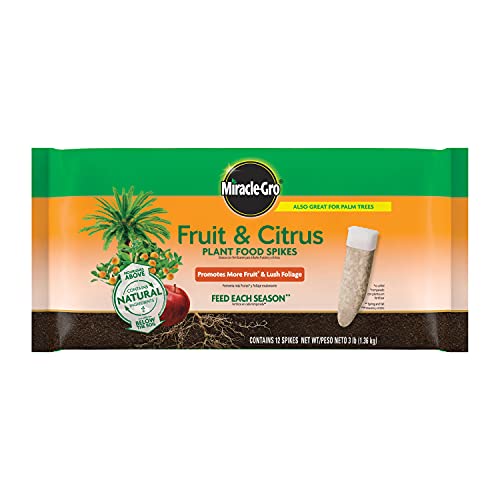
FORMULATED FOR CITRUS AND FRUIT TREES: Use these citrus fertilizer spikes on apple, orange, lemon, lime, and avocado trees; this formula is also great for feeding palm trees

Feed the soil not the plants - stimulate microbial activity in your soil and boost probability of success with all types of plants… like composting but faster

Down to Earth Fruit Tree is a five pound box of all natural fertilizer with 6-2-4 formula and is listed by the Organic Materials Review Institute (OMRI) for use in organic production
Determining Your Tree’s Nutritional Needs
Assess your tree’s specific nutrient requirements to maximize benefits. Check for signs of nutrient deficiency such as yellowing leaves or stunted growth. Research the ideal nutrient balance for your fruit tree species. Use soil testing kits to evaluate nutrient levels and pH balance, tailoring your fertilizer application to address any deficiencies. Follow the manufacturer’s guidelines on nutrient ratios for effective use.
Tools and Materials Required
Gather essential tools and materials for a smooth application process.
- Dr. Earth Fruit Tree Fertilizer: Select the appropriate size based on the number of trees.
- Measuring Cup: Use a measuring cup for precise fertilizer amounts.
- Trowel or Hand Spade: Employ these tools for soil incorporation.
- Watering Can or Hose: Prepare to water the area after application to help nutrients penetrate the soil.
- Gloves: Wear gloves for protection during handling.
Collect these items before starting to streamline your fertilizer application process.
Step-by-Step Application Process
Applying Dr. Earth Fruit Tree Fertilizer effectively ensures your fruit trees receive the necessary nutrients for robust growth and fruitful harvests. Follow these steps for a successful application.
Recommended Products

CITRUS PLANT FOOD: This avacado, mango and citrus fruit tree fertilizer feeds plants for up to 3 months and nourishes above and below the soil

Let our professionally formulated plant food help your fruit tree grow healthy, strong AND abundantly producing
Choosing the Right Time for Application
Select the appropriate season to apply the fertilizer. Spring is the best time as trees begin their active growth phase. Consider applying again in early summer to support fruit development. Avoid applying during extreme heat or drought conditions, as trees may struggle to absorb nutrients.
- Measure the Fertilizer: Use a measuring cup for precision. For young trees, apply about 1/2 to 1 cup of fertilizer. For mature trees, use 1 to 3 cups, depending on the tree’s size.
- Clear the Area: Remove debris, weeds, and old mulch from the tree’s base. This ensures the fertilizer reaches the soil directly.
- Distribute the Fertilizer: Sprinkle the measured fertilizer evenly around the root zone, extending it to the tree’s drip line. Avoid placing the fertilizer directly against the trunk to prevent burn.
- Incorporate the Fertilizer: Gently work the fertilizer into the top 2 to 4 inches of soil using a trowel or hand spade. This promotes better nutrient absorption by the roots.
- Water Thoroughly: After applying the fertilizer, water the area well. This helps dissolve the granules and allows nutrients to seep into the soil.
- Monitor Tree Health: Keep an eye on your trees over the following weeks. Look for signs of improvement, such as new growth and increased fruit set.
By following these steps, you’ll promote healthy growth and a bountiful harvest from your fruit trees.
Ongoing Care and Maintenance
After applying Dr. Earth Fruit Tree Fertilizer, ongoing care ensures your trees continue to thrive. Regular monitoring and timely reapplication create a healthy environment for optimal fruit production.
Monitoring Tree Health Post-Application
Monitor your trees for signs of health after fertilization. Look for new growth, vibrant leaves, and developing fruit. Consider these indicators:
- New Growth: Fresh shoots and leaves indicate successful nutrient absorption.
- Leaf Color: Healthy green leaves reflect adequate nutrient levels.
- Fruit Development: Noticeable fruit set suggests the fertilizer is promoting production.
Keep an eye out for stress signs, such as yellowing leaves or stunted growth. If you observe these issues, reassess soil conditions and nutrient levels. Conduct regular checks every couple of weeks, especially during the growing season.
When to Reapply Fertilizer
Reapply Dr. Earth Fruit Tree Fertilizer at strategic times during the growing season. Following these guidelines helps ensure continuous nutrient availability:
- Spring Application: Fertilize in early spring as trees begin to bud and leaf out. This boosts growth and prepares the tree for a fruitful season.
- Additional Summer Application: A second application in early summer supports ongoing development. This is particularly beneficial during fruit-setting periods.
Space out applications by about six to eight weeks. Follow recommended amounts based on your tree’s age and size to prevent nutrient overload. If growth appears sluggish or fruit yield declines, consider reapplying to refresh soil nutrients. Always water thoroughly after reapplication to activate the fertilizer.
Conclusion
Using Dr. Earth Fruit Tree Fertilizer can truly transform your fruit trees. By providing essential nutrients and improving soil health, you’ll set the stage for vibrant growth and a plentiful harvest.
Remember to assess your trees’ needs and follow the application steps for the best results. Regular monitoring and timely reapplications will keep your trees thriving throughout the growing season.
With a little care and attention, you’ll enjoy the fruits of your labor in no time. Happy gardening!
Frequently Asked Questions
What is Dr. Earth Fruit Tree Fertilizer?
Dr. Earth Fruit Tree Fertilizer is an organic fertilizer designed to boost the health and productivity of fruit trees. Its specialized formulation provides essential nutrients that promote strong growth and increase fruit production.
How does Dr. Earth Fertilizer improve fruit tree health?
The fertilizer enhances root development, increases yield, and improves overall soil health. It contains key ingredients like organic compost, fish emulsion, and kelp meal, which support plant vitality and productivity.
When should I apply Dr. Earth Fruit Tree Fertilizer?
Apply the fertilizer in spring and possibly again in early summer. Avoid application during extreme heat or drought conditions to ensure optimal absorption by the tree.
What tools do I need for applying the fertilizer?
You’ll need a measuring cup, trowel or hand spade, watering can or hose, gloves, and the fertilizer itself. These tools will help ensure a smooth and effective application process.
How do I know if my fruit tree needs fertilization?
Check for signs of nutrient deficiency like yellowing leaves or stunted growth. Soil testing kits can also help assess the nutrient levels before applying fertilizer.
What is the recommended application process for Dr. Earth Fertilizer?
Clear the area around the tree, measure the proper amount of fertilizer, distribute it evenly, incorporate it into the soil, and water thoroughly to activate the nutrients.
How often should I reapply Dr. Earth Fruit Tree Fertilizer?
Reapply the fertilizer every six to eight weeks during the growing season, particularly in early spring and early summer, to maintain nutrient levels and support tree health.
What signs should I look for after fertilization?
Monitor for new growth, vibrant leaf color, and increased fruit set as indicators of improved tree health. Keep an eye out for any signs of stress during this period.
