

Have you ever watched your hard-grown fruit disappear overnight? It’s frustrating when pests or harsh weather threaten your trees. You put in the effort to nurture them, and all you want is to enjoy the sweet rewards of your labor.
In this article, you’ll discover practical tips to keep your fruit safe and thriving. From simple protective measures to natural deterrents, you’ll learn how to shield your trees from common threats. With these strategies, you can ensure a bountiful harvest and savor the fruits of your labor for years to come.
Key Takeaways
- Understand Key Threats: Recognize the main threats to fruit trees, including pests, diseases, and adverse weather conditions, to implement effective protection strategies.
- Regular Monitoring and Inspection: Conduct routine inspections of your trees to catch signs of pest infestations or diseases early, focusing on high-risk periods like flowering and fruiting seasons.
- Utilize Physical Barriers: Implement physical protections such as netting, row covers, and tree guards to defend against pests and harsh weather impacts.
- Adopt Organic Solutions: Embrace organic methods like neem oil and companion planting, which promote a healthier environment while deterring pests.
- Importance of Proper Care: Ensure ongoing care through regular maintenance, including proper watering, fertilization, and pruning, to strengthen trees against potential threats.
- Timely Harvesting: Monitor fruit ripeness closely and harvest timely to avoid spoilage and pest attraction, ensuring a better quality and quantity of your yield.
Understanding the Importance of Protecting Fruit
Protecting fruit on trees is essential for maintaining quality and quantity in your harvest. Pests, diseases, and extreme weather can severely affect your trees and the fruits they produce.
Pest Control
Pests like aphids, caterpillars, and fruit flies are common threats. Regular inspections keep you informed about any infestations. Implementing traps or introducing beneficial insects, such as ladybugs, can naturally reduce pest populations.
Disease Management
Fungal infections and bacterial diseases can damage fruit. You can prevent these issues by ensuring proper tree spacing for air circulation and practicing crop rotation. Applying fungicides at the right time can also provide an added layer of protection.
Weather Protection
Weather conditions can lead to fruit damage. Hail can cause bruising, while excessive sun exposure can lead to sunburn on fruits. Using protective coverings, such as nets or shade cloth, reduces direct impact from harsh elements.
Harvest Timing
Timely harvesting is crucial. Overripe fruits attract pests and can spoil quickly. Monitor your fruits regularly and pick them once they reach optimal ripeness to ensure quality and longevity.
Ongoing Care
Consistent care contributes to healthier trees and fruits. Regular watering, balanced fertilization, and pruning encourage robust growth. This maintenance also strengthens your trees against potential threats.
By understanding the importance of protecting fruit on trees, you can take proactive steps to secure a bountiful and healthy harvest.
Common Threats to Fruit on Trees
Protecting fruit on trees involves understanding the main threats that can impact your harvest. Knowing these threats helps you implement the right strategies to safeguard your trees.
Pests and Insects
Pests and insects pose significant risks to fruit trees. Common culprits include:
- Aphids: These small insects feed on sap, weakening trees. Regularly inspect leaves for clusters and treat them with insecticidal soap.
- Caterpillars: They can cause severe damage by munching on leaves and fruit. Use natural predators like birds or employ Bacillus thuringiensis (Bt) as a targeted approach.
- Fruit Flies: These pests lay eggs in developing fruit, leading to spoilage. Utilize traps and bagging methods to catch them early.
Implementing regular inspections and pest management strategies keeps your trees healthy.
Weather Conditions
Weather conditions can drastically affect your fruit trees. Severity varies, but key threats include:
- Frost: Late spring frosts can damage blossoms. Use row covers or frost blankets to protect plants during cold snaps.
- Hail: Hail can create bruises on fruit, leading to long-term damage. Install protective nets to shield your trees from hailstorms.
- Excess Sun: Intense sunlight can cause sunburn on fruit. Use shade cloth to prevent sunscald, especially during peak summer months.
Monitor weather forecasts to take preventive measures effectively.
Disease Outbreaks
Diseases can spread quickly among fruit trees, affecting both yield and quality. Important diseases to watch for include:
- Fungal Infections: Conditions like powdery mildew thrive in humid environments. Ensure proper air circulation by spacing trees comfortably and applying fungicides when needed.
- Bacterial Infections: Bacterial cankers can weaken trees significantly. Pruning out affected areas promptly helps contain the issue.
- Root Rot: Overwatering or poor drainage invites root rot. Maintain a regular watering schedule and improve soil drainage to keep roots healthy.
Regularly checking for symptoms and treating them early secures the health of your fruit trees.
Effective Methods to Protect Fruit
Protecting your fruit trees requires a blend of strategies that address various threats. Implementing effective methods can safeguard your harvest and ensure healthy growth.
Physical Barriers
Use physical barriers to shield your trees from pests and adverse weather.
- Netting: Install fine mesh netting over your fruit trees to deter birds and insects. Ensure the netting is securely fastened and free from gaps.
- Row Covers: Apply lightweight row covers during the growing season. These covers protect against pests while still allowing light and moisture to reach the fruit.
- Tree Guards: Place guards around the trunk of young trees to prevent rodent damage. Ensure guards are tall enough to stop animals from gnawing at the bark.
Chemical Treatments
Utilize targeted chemical treatments when necessary.
- Insecticides: Apply appropriate insecticides to control specific pests like aphids or caterpillars. Choose products labeled for fruit trees and follow the application rates stated on the label.
- Fungicides: Prevent fungal infections by spraying fungicides during high-risk periods, such as rainy weather. Make sure to treat proactively, especially if previous outbreaks occurred.
- Repellents: Use commercial repellents designed to deter certain pests. Apply these products according to label instructions for effectiveness.
Organic Solutions
Choose organic solutions to promote a healthy environment.
- Neem Oil: Mix neem oil with water as a natural pesticide. Spray it on your trees to deter pests without harmful residues.
- Companion Planting: Plant herbs like basil and marigold near your fruit trees. These plants attract beneficial insects that can control pest populations.
- Manual Removal: Regularly inspect your trees and remove pests by hand. This method is effective for larger pests such as caterpillars and can also help check for disease signs.
By adopting a combination of these methods, you can create a robust strategy to protect your fruit trees and enjoy a fruitful harvest.
Best Practices for Ongoing Protection
Implementing ongoing protective measures ensures your fruit trees remain healthy and fruitful. By actively managing your trees through regular checks and maintenance, you can effectively reduce potential threats.
Recommended Products

20pcs of yellow sticky traps specially designed to catch flying plant insects effectively. Ideal for outdoor plants and houseplants.

PROTECT 60 TREES FROM LANTERNFLIES AND OTHER PESTS. This bug tape doesn't only work as a spotted lanternfly trap, it will catch any insect that crawls up or down trees, like ants, caterpillars, maggots and beetles.
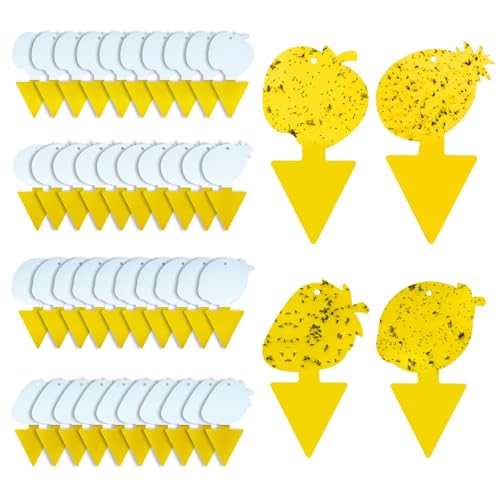
Powerful Insect Control: Effectively captures fruit flies, gnats, whiteflies, aphids, midges, and other small flying pests using bright yellow color and extra-sticky glue.
Regular Monitoring
Conduct regular inspections of your fruit trees for signs of pests and diseases. Look for discolored leaves, holes in fruit, or unusual growth patterns. Monitor weather conditions to anticipate damage from storms or extreme temperatures. Using sticky traps can help catch pests early. Keep a schedule for checking your trees, focusing on high-risk periods, such as flowering and fruiting seasons.
Pruning and Maintenance
Perform annual pruning to remove dead or diseased branches, allowing for better air circulation. Focus on thinning out crowded areas, which helps prevent fungal infections. Timing is essential; prune during dormancy, typically late winter or early spring. Ensure proper tree spacing to reduce competition for nutrients and water. Establish a routine watering schedule and apply organic fertilizers to promote robust growth. Consider mulching around the base of the tree to retain moisture and suppress weeds.
Conclusion
Protecting your fruit trees is a rewarding journey that pays off with a bountiful harvest. By staying proactive and implementing a mix of strategies you can effectively tackle pests weather challenges and diseases. Regular monitoring and maintenance are key to keeping your trees healthy and thriving.
Don’t forget the importance of timely harvesting and ongoing care. With a little effort and attention you can ensure your fruit trees not only survive but flourish. Embrace these protective measures and enjoy the sweet rewards of your hard work in the garden. Happy growing!
Frequently Asked Questions
What are the main challenges faced by fruit growers?
Fruit growers typically encounter issues like pests, harsh weather, and diseases. These challenges can threaten the quality and quantity of their harvest, requiring effective management strategies to safeguard fruit trees.
How can I protect my fruit trees from pests?
You can protect your fruit trees by regular inspections and employing targeted pest management strategies. Use physical barriers like netting and row covers, and consider organic options like neem oil and companion planting.
What are some common pests that harm fruit trees?
Common pests include aphids, caterpillars, and fruit flies. They can destroy fruits and reduce yield, making it essential to monitor and manage these threats regularly.
How can weather affect my fruit trees?
Harsh weather, such as hail and intense sun, can damage fruit trees and affect fruit quality. Strategies like using nets or shade cloth can provide protection against these elements.
What role does pruning play in maintaining fruit trees?
Annual pruning helps remove dead or diseased branches, improving air circulation and overall tree health. Regularly maintaining your trees ensures better growth and reduces the risk of disease and pest infestations.
How often should I inspect my fruit trees?
Regular inspections are crucial—ideally, weekly during the growing season. This allows you to detect any signs of pests or diseases early and take prompt action to mitigate risks.
What natural deterrents can I use for pest control?
Using organic solutions like neem oil, introducing beneficial insects, and practicing companion planting are effective natural deterrents that promote a healthy ecosystem around your fruit trees.
How important is timely harvesting?
Timely harvesting is essential to prevent overripe fruits that attract pests. Monitoring ripeness closely ensures your fruits are harvested at their peak quality, reducing losses.
What is the best way to manage diseases in fruit trees?
Managing diseases involves proper tree spacing, regular inspections, and timely application of fungicides. Early detection and management are key to keeping your trees healthy and productive.
Why is ongoing care important for fruit trees?
Ongoing care, including regular watering, fertilization, and monitoring, ensures robust tree health. Consistent maintenance helps reduce potential threats and supports a fruitful harvest season after season.
