

Have you ever dreamed of enjoying fresh figs right from your backyard? Fig trees not only offer delicious fruit but also add beauty to your garden. If you’ve tried growing one but faced challenges, you’re not alone. Many people struggle with propagation, wondering how to get their fig trees to thrive.
Key Takeaways
- Varieties of Fig Trees: Understanding the different types of fig trees, such as Common, Smyrna, San Pedro, and Caprifig, helps you choose the best for your garden.
- Optimal Growing Conditions: Fig trees thrive in full sun, well-draining soil, and a temperature range of 60°F to 75°F, with adequate space for air circulation.
- Propagation Methods: Successful propagation can be done through cuttings or layering techniques, each requiring specific steps for optimal results.
- Best Timing for Propagation: Spring is the ideal season for propagating fig trees as temperatures rise and trees awaken from dormancy, promoting root development.
- Soil and Watering Tips: Use well-draining soil with organic matter and maintain consistent moisture to ensure healthy root establishment in your cuttings.
- Consistent Care: Regular monitoring and adjustments to watering and sunlight exposure are crucial in supporting the growth of newly propagated fig trees.
Understanding Fig Fruit Trees
Fig trees, known for their rich flavor and versatility, flourish in various climates. You can find multiple varieties, each offering unique characteristics.
Types of Fig Trees
- Common Fig (Ficus carica): This type requires no pollination and produces sweet fruit. It’s the most widely grown fig variety, ideal for home gardeners.
- Smyrna Fig: This variety needs pollination from a specific wasp. It’s prized for its rich taste but requires additional care due to its pollination needs.
- San Pedro Fig: This type produces two crops each year, one of which doesn’t require pollination. It’s suitable for cooler regions that may limit fig production.
- Caprifig: This variety serves as the pollinator for Smyrna figs. It bears inedible fruit and primarily supports fig production for other types.
Ideal Growing Conditions
Fig trees thrive in warm climates with full sun exposure. You should aim for at least six hours of direct sunlight daily. The following conditions will enhance growth:
- Soil: Well-draining soil with a pH between 6.0 to 6.5 is optimal. Adding compost improves nutrient content.
- Watering: Regular watering helps establish a strong root system. Aim for a deep watering once a week, allowing the soil to dry out between waterings.
- Temperature: Figs prefer temperatures between 60°F to 75°F. Protect them from frost to prevent damage to young trees.
- Space: Allow adequate space between trees for good air circulation. You should plant them at least 15 to 20 feet apart.
By choosing the right type of fig tree and creating optimal growing conditions, you set the stage for a successful propagation process.
Methods of Propagating Fig Fruit Trees
You can propagate fig fruit trees through several methods. These techniques enable you to expand your garden with new fig trees while ensuring healthy plant growth.
Using Cuttings
Using cuttings is a popular method for propagating fig trees. Here’s how to do it:
- Select a Healthy Branch: Choose a healthy, semi-hardwood branch that’s about 6-8 inches long. Look for a branch with several leaf nodes.
- Make a Clean Cut: Use sterile pruning shears to cut the branch just below a node. This helps prevent infection.
- Prepare the Cutting: Remove lower leaves, leaving only a few at the top. This reduces moisture loss.
- Apply Rooting Hormone: Dip the cut end into rooting hormone. This step encourages root development.
- Plant in Soil: Place the cutting in a pot filled with well-draining soil, burying it about 2-3 inches deep.
- Water and Cover: Water the cutting and cover it with a plastic bag to maintain humidity. Ensure the bag doesn’t touch the leaves.
- Provide Light and Warmth: Position the pot in a warm area with indirect sunlight. Roots should develop within a few weeks.
Layering Techniques
Layering offers another effective propagation method. You can try these steps:
- Choose a Low Branch: Select a healthy branch that’s flexible and close to the ground.
- Girdle the Bark: Make a small cut around the branch’s bark, about halfway through. This promotes root growth.
- Bend the Branch Down: Carefully bend the branch so that the cut portion touches the soil.
- Secure with Soil: Cover the cut section with soil, leaving the tip exposed. Use a rock or a stake to hold it in place.
- Water Regularly: Keep the soil moist, promoting root development.
- Wait for Roots: Roots typically form within a few months. Once established, cut the new plant from the parent tree.
These methods simplify the propagation process, allowing you to grow multiple fig trees successfully. Each technique’s effectiveness hinges on proper execution and care.
Best Time to Propagate Fig Trees
Timing plays a crucial role in successfully propagating fig trees. The best periods for propagation are determined by seasonal conditions and climate factors.
Recommended Products

Plant Root Growing Box: The cutting globe design helps your cuttings get stronger roots and reproduce more mature trees faster than the normal spread method.Our grafting ball is clear, you can identify the growth process , the dryness and wetness leve without taking it apart, prevent from disturbing the air layer too early.

A professional propagation dome for starting seeds or cuttings

A Must for Gardening Enthusiasts: Whether a plant enthusiast, gardening hobbyist, or you simply want to enjoy a fun, educational activity with the little ones, the Bloomify succulents growing trays are an excellent choice for ensuring perfect results every time!
Seasonal Considerations
Spring is the ideal season to propagate fig trees. During this time, trees are emerging from dormancy, making them ready to grow. Cuttings taken in late winter or early spring root more easily due to the increased energy in the plant. Additionally, the warmer temperatures during this season encourage vigorous growth. If you choose to propagate by layering, spring also provides ample moisture, enhancing root development.
Climate Factors
Fig trees thrive in warm climates. When considering propagation, temperatures between 60°F and 80°F promote the best results. High humidity levels also support successful rooting. If your climate is cooler, waiting until late spring or early summer may yield better outcomes. In contrast, avoid propagating during extreme heat or cold, as these conditions stress the plants and hinder root development. For optimal results, consider using a greenhouse or indoor space to maintain favorable conditions when propagating in less-than-ideal climates.
Tips for Successful Propagation
Successful propagation of fig fruit trees relies on a few key practices. Follow these tips to ensure a greater chance of success.
Recommended Products

All Purpose Mix; Nutrient Enrichment & Drainage Control for Fiddle Leaf Fig Trees & All Other Indoor Houseplants

100% Natural: Custom blend for Fiddle Leaf Fig Tree (Lyre Leaf Fig Tree); no artificial ingredients
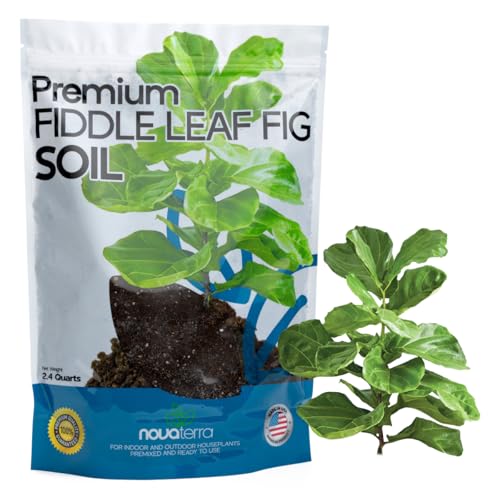
FIDDLE LEAF FIG SOIL: Premixed, ready-to-use blend formulated for Ficus lyrata. Supports healthy roots with balanced moisture retention and excellent drainage.
Soil Preparation
Soil quality influences root development. Use well-draining soil with good organic matter. Aim for a mixture of potting soil, sand, and compost. This combination promotes aeration and moisture retention. Check the pH; it should be between 6.0 and 7.0 for optimal growth. When planting cuttings, create holes in the soil using a pencil to avoid damaging roots. Space the cuttings about 6 inches apart to allow air circulation.
Watering and Care
Watering plays a crucial role in root establishment. Keep the soil consistently moist but not soggy. Use a spray bottle to gently mist cuttings initially, providing humidity without overwhelming them. Once roots develop, switch to a deeper watering method. Perform this every 1-2 weeks, ensuring water reaches the entire root zone. Monitor your cuttings and adjust based on moisture levels. Avoid letting leaves touch wet soil, as this promotes fungal issues. Ensure cuttings receive indirect sunlight until roots are well-established, then gradually expose them to more light.
By focusing on soil quality and consistent care, you enhance the chances of successful fig tree propagation.
Conclusion
Growing fig trees can be a rewarding experience that brings both beauty and delicious fruit to your garden. By understanding the best propagation techniques and creating the right conditions, you can cultivate healthy fig trees that thrive.
Remember to be patient and attentive as your cuttings or layered branches develop roots. With a little care and the right timing you’ll be well on your way to enjoying your very own fig harvest. So grab your gardening gloves and get started on this fruitful journey. Happy gardening!
Frequently Asked Questions
What types of fig trees can I grow in my backyard?
There are several types of fig trees you can grow, including the Common Fig, Smyrna Fig, San Pedro Fig, and Caprifig. Each type has different characteristics and care requirements, so it’s essential to choose one that fits your gardening conditions and preferences.
What are the ideal growing conditions for fig trees?
Fig trees thrive in warm climates with full sun exposure. They prefer well-draining soil, regular watering, and adequate spacing for air circulation. Aim for temperatures between 60°F and 80°F for the best growth.
What propagation methods work best for fig trees?
Two popular propagation methods for fig trees are using cuttings and layering. Cuttings involve taking a healthy branch and preparing it for planting, while layering requires bending a lower branch to touch the soil and encouraging it to root.
When is the best time to propagate fig trees?
Spring is the ideal time to propagate fig trees as they emerge from dormancy. Cuttings taken in late winter or early spring root best due to warmer temperatures and increased moisture levels.
How do I ensure successful fig tree propagation?
To ensure success, use well-draining soil enriched with organic matter, maintain proper moisture levels, and provide consistent care. Space cuttings about 6 inches apart and ensure they receive indirect sunlight until established.
What are some tips for caring for fig tree cuttings?
Keep the soil moist but not soggy, and use a spray bottle to maintain humidity. Once the roots develop, water deeply every 1-2 weeks, and monitor moisture levels regularly to promote healthy growth.
