

Have you noticed unsightly rust spots on your fruit trees? You’re not alone. Many gardeners face this frustrating issue that can threaten the health of their beloved trees and the fruit they produce.
Rust can weaken your trees, leading to reduced yields and even death if left untreated. But don’t worry—this article will guide you through effective treatments to restore your trees and keep them thriving. You’ll learn practical steps to identify the problem, treat it, and prevent it from coming back. With the right approach, you can enjoy a healthy harvest and beautiful fruit trees for years to come.
Key Takeaways
- Recognize the signs of rust on fruit trees, including orange spots, leaf discoloration, distorted growth, and premature leaf drop to identify issues early.
- Maintain proper air circulation and humidity levels around your trees by ensuring adequate spacing and practicing regular pruning.
- Utilize effective treatment options like fungicides, copper-based sprays, neem oil, and garlic spray to combat rust once identified.
- Implement robust maintenance practices, such as regular monitoring, seasonal checks, and proper watering, to promote tree health and prevent rust.
- Clear fallen leaves and apply preventive fungicides in the fall to minimize rust spread and prepare trees for winter conditions.
Understanding Rust on Fruit Trees
Rust on fruit trees can negatively impact their health and productivity. It’s crucial to recognize the signs early and understand its causes for effective treatment.
Common Signs and Symptoms
- Orange, Rusty Spots: Look for small, raised orange or brown bumps on leaves or stems. These marks indicate the presence of rust fungi.
- Leaf Discoloration: Yellowing or browning of leaves often occurs as rust spreads, leading to reduced photosynthesis.
- Distorted Growth: Trees affected by rust may exhibit twisted or curled leaves, impacting overall tree structure.
- Premature Leaf Drop: Affected trees may lose leaves early, affecting nutrient storage and energy for the next growing season.
- High Humidity: Rust thrives in wet environments. Keep an eye on weather conditions, especially during rainy seasons.
- Poor Air Circulation: Dense canopies can trap moisture. Consider pruning to enhance airflow within the tree.
- Infected Plants: Nearby infected plants can spread rust spores. Inspect all flora to prevent cross-contamination.
- Nutrient Imbalance: Weakened trees often fall prey to rust. Ensure trees receive balanced nutrients for robust health.
Prevention Strategies
Implementing effective prevention strategies helps maintain healthy fruit trees and deter rust. You can act on these techniques to improve air circulation, reduce humidity, and prevent the spread of rust.
Recommended Products

Drop-forged construction delivers exceptional durability and sturdiness for long-term heavy garden use.

· ULTRA-SHARP SK5 STAINLESS STEEL - Engineered with premium SK5 stainless steel, these heavy duty pruning shears deliver razor-sharp precision and maximum hardness. The rust-resistant blades are designed to stay sharp longer, effortlessly resisting corrosion and sap buildup for smooth, friction-free garden shears performance year after year.

DUAL CUTTING POWER: VERSATILE PRUNING COMBO --- With both Pruning Shears and Pruning Snip, this combo delivers unmatched versatility. Whether you're delicately trimming flowers and shrubs, tackling thicker tree branches, or tending to your vegetable and fruit garden, our combo pack excels in all areas. They're also perfect for landscaping projects and maintaining the health and appearance of indoor plants. With this pack, you have a versatile tool that simplifies your gardening tasks.
Proper Tree Spacing
Ensure adequate spacing between trees for optimal growth. Space fruit trees at least 15 to 20 feet apart; this distance promotes good airflow and sunlight penetration. Improved air movement around the branches and leaves discourages rust development. Consider the mature size of each tree variety when planning spacing.
Regular Pruning Techniques
Practice regular pruning to enhance light exposure and airflow. Remove dead or diseased branches promptly; this action limits rust spread. Aim to prune during dry weather to minimize stress on the tree. Focus on shaping the tree to open the canopy while maintaining its natural structure. This technique improves overall tree health and fruit production.
Treatment Options
Addressing rust on fruit trees involves a combination of chemical treatments and organic solutions. These methods effectively reduce rust symptoms and promote tree health.
Recommended Products

Control diseases and insects in your garden with Captain Jack’s Fruit Tree Spray Concentrate! Use on a variety of listed fruits, nuts and citrus plants.

FOR ORGANIC GARDENING: Use in & around the home & home garden on roses, flowers, houseplants, ornamental trees & shrubs, fruits & vegetables
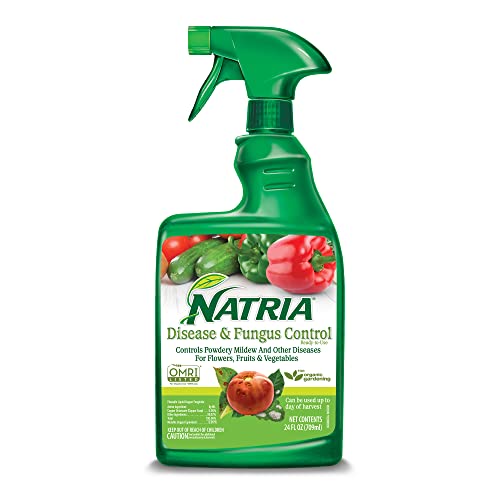
DISEASE CONTROL: Disease & Fungus Control controls powdery mildew, rust, black spot, fruit rot, downy mildew, late blight, and other listed diseases
Chemical Treatments
- Fungicides: Use fungicides specifically designed for rust diseases. Apply them at the first sign of symptoms for the best results. Follow the manufacturer’s instructions for the correct dosage and application frequency.
- Copper-based Sprays: Utilize copper fungicides as a preventive measure. They’re effective against various fungal infections, including rust. Spray during the growing season, particularly before new growth appears.
- Systemic Treatments: Consider systemic fungicides that penetrate the tree’s tissue. These treatments work from within, providing longer-lasting protection. Apply them early in the season for optimal effects.
- Neem Oil: Apply neem oil to affected areas. This natural product suppresses fungal growth while being safe for beneficial insects. Use it at dusk to minimize the impact on pollinators.
- Baking Soda Mixture: Create a mixture with 1 tablespoon of baking soda, 1 tablespoon of vegetable oil, and 1 gallon of water. Spray this solution on the leaves. It raises leaf pH, making it harder for rust spores to thrive.
- Garlic Spray: Prepare a garlic spray by blending garlic cloves with water. Strain the mixture and spray it on the tree. Garlic acts as a natural antifungal agent.
- Promote Healthy Growth: Maintain tree health through proper watering and fertilization. Surrounding your trees with mulch helps retain moisture and prevent rust spores from spreading.
Implementing these treatment options can significantly reduce rust occurrences on your fruit trees, enhancing their vitality and productivity.
Best Practices for Maintenance
Maintaining the health of your fruit trees can significantly reduce the risk of rust. Follow these best practices to keep your trees in top shape.
Recommended Products

Protect your garden with Fruit Tree & Plant Guard Concentrate from Bonide! Fruit Tree & Plant Guard is effective in controlling a wide range of fungal diseases and insects.

Control diseases and insects in your garden with Captain Jack’s Fruit Tree Spray Concentrate! Use on a variety of listed fruits, nuts and citrus plants.

APHID KILLER FOR GARDENS: This plant disease and bug control concentrate kills eggs, as well as larval and adult stages of insects; provides control of insect pests including aphids, mealybugs, mites, scales, whiteflies, beetles, and other listed pests
Monitoring Tree Health
Regularly check your trees for signs of rust and overall health. Inspect leaves for small, raised orange or brown bumps, and watch for leaf discoloration or distortion. Check soil moisture and use a moisture meter if needed. Keep an eye out for new growth patterns, as abnormal growth might signal stress or disease. Document your observations to help identify trends and changes over time.
- Spring Checks: Inspect trees in early spring for any signs of rust or damage from winter. Prune dead or diseased branches to encourage healthy growth. Fertilize with a balanced formula to provide essential nutrients.
- Summer Maintenance: Keep trees hydrated. Water deeply once a week during dry spells, focusing on the root zone. Regularly mulch to retain moisture and suppress weeds.
- Fall Preparation: Before the first frost, clear fallen leaves and debris to minimize fungal spores. Apply a preventive fungicide if rust has been a recurring issue. Prepare your trees for winter by wrapping young trunks with protective materials to prevent sunscald.
- Winter Care: Monitor for rodent activity, as they may damage the bark. Maintain a clean area around your trees year-round. Prune during dry winter months to minimize injury and reduce the risk of infection.
By following these maintenance practices, you contribute to healthy growth and protect your fruit trees from rust and other diseases.
Conclusion
Taking care of rust on your fruit trees is essential for their health and productivity. By staying vigilant and recognizing the signs early on, you can implement effective treatments and prevent further damage.
Remember to maintain good airflow and sunlight exposure by properly spacing and pruning your trees. Whether you opt for chemical treatments or organic solutions, keeping your trees healthy will go a long way in battling rust.
With a little attention and care, you’ll not only protect your trees but also enjoy a fruitful harvest season after season. Happy gardening!
Frequently Asked Questions
What causes rust spots on fruit trees?
Rust spots on fruit trees are primarily caused by fungal infections. Environmental factors like high humidity, poor air circulation, and nutrient imbalances contribute to their development. Infected neighboring plants can also spread rust spores to healthy trees.
How can I recognize rust on my fruit trees?
Common signs of rust include small, raised orange or brown bumps on leaves, leaf discoloration, distorted growth, and premature leaf drop. Early detection is key to effectively treat and prevent further damage.
What are effective prevention strategies for rust?
To prevent rust, maintain proper tree spacing (15 to 20 feet apart) for good airflow and light, and practice regular pruning during dry weather to remove dead or diseased branches. This promotes healthy growth and minimizes rust spread.
What treatment options are available for rust on fruit trees?
Treatment options include using fungicides specifically designed for rust diseases, copper-based sprays, and systemic fungicides. Organic solutions such as neem oil, baking soda mixtures, and garlic spray can also be effective in suppressing fungal growth.
How do I maintain the health of my fruit trees to prevent rust?
Regularly monitor your fruit trees for signs of rust and overall tree health. Conduct seasonal checks, ensuring proper hydration and clearing debris. Apply preventive fungicides as needed and practice good watering and fertilization techniques to support tree vitality.
