

Have you ever woken up to find your prized fruit trees raided by pesky raccoons? You’re not alone. Many gardeners face this frustrating challenge, watching their hard work disappear overnight. These clever critters can quickly turn your fruit harvest into their late-night snack.
Key Takeaways
- Understand Raccoon Behavior: Recognizing that raccoons are opportunistic feeders will help you develop effective strategies to deter them from your fruit trees.
- Identify Signs of Activity: Look for tracks, scat, damaged plants, and nocturnal sounds to assess raccoon presence and potential threats to your harvest.
- Implement Physical Barriers: Use solid fences and tree collars to physically block raccoons from accessing your fruit trees, ensuring that structures are adequately designed.
- Utilize Deterrents and Repellents: Employ commercial repellents and motion-activated devices to create an uncomfortable environment for raccoons around your fruit trees.
- Maintain Your Fruit Trees: Regularly inspect, prune, and clean up fallen fruit to make your garden less appealing to raccoons.
- Engage Community Resources: Collaborate with neighbors and consider professional help for effective raccoon control strategies, combining efforts for better results.
Understanding Raccoon Behavior
Raccoons are resourceful animals, often seeking out easy food sources. Understanding their behavior helps in developing effective strategies to keep them out of your fruit trees.
Why Raccoons Are Attracted to Fruit Trees
Raccoons are drawn to fruit trees because of their sweet, ripe offerings. They enjoy fruits like apples, pears, and berries, which provide a rich source of nutrition. Raccoons are opportunistic feeders; they will raid gardens to take advantage of fresh produce. If you notice raccoons frequenting your yard, it’s likely due to the availability of these tempting snacks.
Common Signs of Raccoon Activity
Identifying signs of raccoon activity can help you take action early. Look for the following:
- Tracks: Raccoon footprints measure about 2-4 inches long with distinct five toes.
- Scat: Raccoon droppings often contain seeds and fur, indicating their recent presence.
- Damaged Plants: Chewed fruits or broken branches show where raccoons have been.
- Nocturnal Sounds: Noises like rustling or chattering at night signal raccoon activities.
By recognizing these signs, you can better assess the raccoon population in your area and implement measures to protect your fruit trees.
Effective Prevention Methods
Raccoons can be persistent when it comes to raiding fruit trees. Implementing effective prevention methods helps protect your harvest.
Recommended Products

🛡️ HEAVY DUTY TREE TRUNK PROTECTOR & BARK SHIELD: 48"x16" transparent PVC wrap creates a smooth physical barrier that guards tree trunks against iguanas, raccoons, and climbing animals. The slippery surface discourages animals from reaching fruit, branches, or bird feeders. Recommended for fruit trees, palm trees, posts, and poles where animal climbing is a concern.

【Unique Design】: Squirrel baffle feature a distinctive reverse barb design, with each 2 inches long spike bearing 13 barbs pointing in opposite directions.This structure effectively prevents animal contact and hinders climbing attempts
Physical Barriers
Use fences to deter raccoons. Erect a sturdy fence at least 4-6 feet tall. Bury the bottom 12 inches underground to prevent digging. Alternatively, install tree collars around the trunk. These collars should be made of metal or plastic and extend 18 inches upward. Remember to trim any low-hanging branches that might provide raccoons access.
Deterrents and Repellents
Consider using commercial repellents designed to deter raccoons. Look for products with natural ingredients, such as capsaicin or citrus oils. Spray these around the base of trees and the surrounding area. Additionally, motion-activated lights and sprinklers can surprise raccoons. Set them up near your fruit trees to create an unsettling environment for these nocturnal feeders. Regularly changing the scent of repellents can also enhance their effectiveness.
Best Practices for Maintaining Your Fruit Trees
Maintaining fruit trees requires consistent effort and attention. Following best practices helps protect your trees from raccoons and promotes a healthy harvest.
Recommended Products

Extra Large Coverage: 15ft x 15ft bird netting offers full protection for large fruit trees and plants.
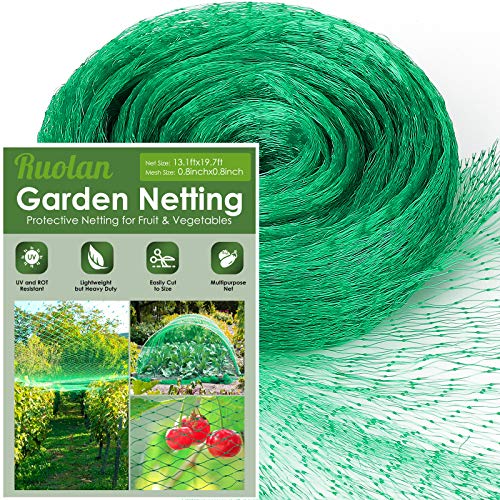
【Perfect size】(Garden Netting size 13ftX20ft, Mesh Size 0.8inchX0.8inch), Protect fruit tree plant blueberry strawberry from animals

HDPE Material for Outdoor Garden Use: Made from high-density polyethylene (HDPE), RIFNY garden bird netting is designed for outdoor plant protection and repeated seasonal use. The flexible mesh is suitable for backyard gardeners, vegetable gardens, raised beds, fruit trees, blueberry bushes, flower gardens, and orchards. The black netting provides a practical barrier for protecting plants while maintaining airflow and sunlight
Regular Maintenance Tips
- Inspect Trees Regularly: Check for signs of raccoon activity, such as tracks and damage to the bark or fruit. Early detection minimizes potential damage.
- Prune Regularly: Keep trees trimmed to reduce cover and make it harder for raccoons to hide. This also encourages better air circulation and sunlight exposure.
- Clean Up Fallen Fruit: Regularly pick up and dispose of any fallen fruit. Raccoons are attracted to the scent, which can lead them directly to your trees.
- Mulch Properly: Use a barrier like mulch to deter raccoons. It creates an unwelcoming environment and makes it harder for them to dig around your trees.
- Pick Fruit Promptly: Harvest ripe fruit as soon as it’s ready. Leaving fruit on the tree longer increases the chance of attracting raccoons.
- Use Netting: Cover trees with netting during the ripening stage. This physical barrier prevents raccoons from accessing the fruit directly.
- Rotate Your Harvest: If you have multiple varieties of fruit trees, stagger your harvests. This keeps raccoons from becoming accustomed to a specific source of food.
- Secure Storage: After picking fruit, store it in a secure location away from your garden. Use sealed containers or a shed to prevent raccoons from getting an easy meal.
Implementing these practices helps create a less inviting environment for raccoons while also ensuring your fruit trees thrive.
Additional Tips for Raccoon Control
Consider involving your community and professional resources to enhance raccoon control effectiveness.
Recommended Products

【Upgraded Predator Deterrent】: Designed with two flashing red LED lights, this solar nocturnal animal repeller mimics the glowing eyes and fire-like warning signals of large predators. The rapid strobe effect creates a strong visual deterrent that keeps intruding animals alert and away from your property all night long.

【Superior Motion-Activated Protection】This cat repellent outdoor features an advanced PIR motion sensor that detects unwanted visitors from up to 30 feet away, covering a wide 150°zone. Upon detection, it instantly unleashes a powerful burst of high-frequency ultrasonic sound waves paired with bright, flashing LED strobe lights. This dynamic duo effectively scares off cats and other animals—without any harmful chemicals or traps.

【Superior Motion-Activated Protection】This cat repellent outdoor features an advanced PIR motion sensor that detects unwanted visitors from up to 30 feet away, covering a wide 150°zone. Upon detection, it instantly unleashes a powerful burst of high-frequency ultrasonic sound waves paired with bright, flashing LED strobe lights. This dynamic duo effectively scares off cats and other animals—without any harmful chemicals or traps.
Community Involvement
Engage your neighbors in raccoon control efforts. By working together, you can create a more effective barrier against these animals. Share information about signs of raccoon activity, and monitor fruit trees collectively. Organize community meetings to discuss strategies and share success stories. Setting up neighborhood watch programs can further bolster your defenses. Discuss potential group purchases of fencing materials, repellents, or deterrent devices. Collaborating fosters accountability and increases resources available for handling raccoon issues.
Seeking Professional Help
Look into hiring wildlife control experts if raccoon problems persist. Professionals can assess your specific situation and recommend targeted strategies. They often provide services like humane trapping, relocation, and providing expert advice tailored to your property. Consider scheduling regular consultations to stay updated on best practices for raccoon management. Research licensed wildlife removal services in your area to ensure responsible handling of raccoons. Staying informed about local wildlife regulations can also help ensure compliance in control efforts.
Conclusion
Keeping raccoons out of your fruit trees can be a challenge but with the right strategies you can protect your hard-earned harvest. By understanding their behavior and implementing effective barriers you can create an environment that discourages these clever critters.
Regular maintenance and community involvement also play a crucial role in safeguarding your trees. Remember that persistence is key and don’t hesitate to reach out for professional help if needed. With a little effort and creativity you can enjoy the fruits of your labor without the worry of raccoons stealing your bounty. Happy gardening!
Frequently Asked Questions
What attracts raccoons to fruit trees?
Raccoons are drawn to fruit trees primarily because of the sweet fruits they produce, such as apples, pears, and berries. Their keen sense of smell can lead them to ripe and fallen fruits, making them a frequent nuisance for gardeners.
How can I identify raccoon activity in my garden?
Common signs of raccoon activity include distinct tracks in the soil, scat, damaged plants, and unusual nocturnal noises. Keeping an eye out for these indicators can help you determine if raccoons are visiting your garden.
What are effective prevention methods to keep raccoons away?
To deter raccoons, erect sturdy fences at least 4-6 feet tall, use tree collars, and apply commercial repellents. Motion-activated lights and sprinklers can also help create an unsettling environment that discourages their presence.
How can I maintain my fruit trees to protect them from raccoons?
Regularly inspect your trees for signs of raccoon activity, prune to reduce cover, and promptly clean up fallen fruits. Using mulch as a barrier and netting during the ripening stage can also provide added protection.
Should I involve my neighbors in raccoon control efforts?
Yes, engaging neighbors can be beneficial. Sharing information about raccoon activity and organizing community watch programs can enhance your efforts to monitor and manage raccoon populations effectively.
When should I seek professional help for raccoon issues?
If raccoons persistently invade your garden despite your best efforts, consider contacting wildlife control experts. They offer tailored strategies, humane trapping methods, and valuable advice for effective raccoon management.
