

Have you ever wondered how often olive trees bear fruit? If you’re thinking about planting one or you already have, understanding their fruiting cycle is key. Olive trees are not just beautiful additions to your garden; they can also provide delicious olives for your table.
Knowing when to expect fruit can help you plan for harvesting and caring for your tree. This article will guide you through the factors that influence olive tree fruiting, such as age, climate, and care practices. By the end, you’ll feel confident in managing your olive tree and enjoying its bounty.
Key Takeaways
- Olive trees typically fruit every other year, but age, climate, and care practices can influence this pattern.
- Young olive trees (under 5 years) produce few olives, while mature trees (10+ years) yield better harvests.
- Climate conditions are crucial; olive trees thrive in Mediterranean climates with hot, dry summers and mild winters.
- Care practices such as regular pruning, adequate watering, and balanced fertilization significantly enhance fruit production.
- Harvest timing varies: for oil, pick when olives are green; for table olives, harvest when dark purple for best flavor.
- Different olive varieties exhibit unique fruiting habits; some bear fruit annually while others alternate between heavy and light yields.
Understanding Olive Tree Fruiting
Olive trees typically fruit every other year, but factors such as tree age, care, and local climate can influence this schedule. Younger trees, around three to five years old, may produce fewer olives, while mature trees, approximately 10 years old or older, tend to yield better harvests.
Recommended Products

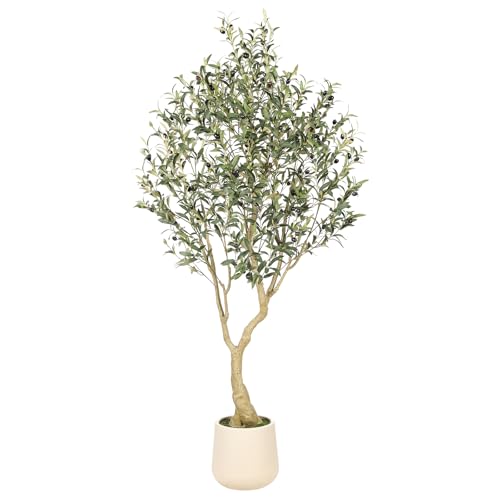
【Exquisite and Quality Planter】This artificial olive tree come with 10 inch tall planter, which has been meticulously designed and sized to seamlessly complement our faux olive tree,striking the ideal balance between aesthetics and functionality. You don't need spend extra time and money on it

Factors Affecting Fruiting
- Climate Conditions: Olive trees thrive in Mediterranean climates, where summers are hot and dry. In cooler or wetter regions, fruit production may decrease. Extreme temperatures can also impact flowering and set.
- Care Practices: Proper care plays a crucial role in fruit production. Regular pruning encourages airflow and sunlight exposure. Adequate watering, especially during dry spells, helps the tree focus energy on fruiting. Fertilizing with a balanced ratio supports healthy growth.
- Pollination: Olive trees are mostly self-pollinating. However, planting multiple varieties nearby boosts fruit set and overall yield. Bees and other pollinators also enhance pollination success.
Harvest Timing
Harvest time depends on the intended use of olives. For oil production, pick olives when they are green to ensure optimal oil extraction. For table olives, harvest when they reach a dark purple color for better flavor and texture. Plan to harvest from late summer to early winter, depending on your location.
Typical Yield
Expect a mature olive tree to produce anywhere from 30 to 150 pounds of olives per year, depending on conditions. Keep in mind that crop yield fluctuates, so some years may provide more than others.
Knowing these factors gives you the ability to optimize your olive tree’s fruiting potential. Proper management can lead to abundant harvests and enhance your gardening experience.
Factors Affecting Fruiting Frequency
Understanding the factors affecting how often olive trees fruit helps you manage their yield effectively.
Recommended Products
TIMELESS ELEGANCE: The Olive Tree is a symbol of timeless elegance and grace. With its slender, silvery leaves and twisting branches, this tree adds a touch of Mediterranean charm to any home. Embrace the beauty of ancient civilizations as you bring the allure of olive groves to your own garden or home.

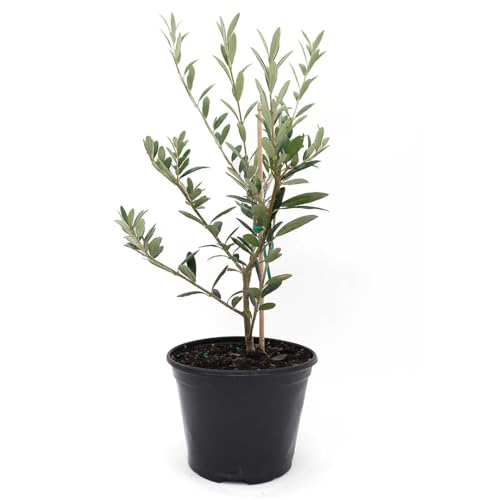
LIVE 10+ INCH STARTER TREE: Receive one live Arbequina olive tree grown in a compact 2-inch nursery plug and measuring at least 10 inches tall before shipment. This is a young starter plant and will not arrive with flowers or fruit. Natural size, branching and foliage may vary.

Age of the Olive Tree
Age plays a crucial role in fruiting frequency. Young olive trees, typically under five years old, often produce few or no olives. As the tree matures, its fruit production increases. By around 10 years of age, an olive tree can start yielding a moderate harvest. After 15 to 20 years, trees generally reach peak production, which can continue for decades.
Variety of Olive Tree
Different olive tree varieties display varying fruiting habits. Some, like the Arbequina, produce olives consistently every year, while others might exhibit alternate bearing, producing a heavy crop one year and a lighter one the next. Selecting a variety suited to your climate and desired use can significantly impact how often you enjoy a harvest.
Climate and Weather Conditions
Climate conditions directly influence fruiting frequency. Olive trees thrive in warm, dry climates typical of the Mediterranean region. Mild winters and hot summers foster optimal growth and fruit yield. Extreme weather, like frost or excessive humidity, can diminish fruit production. Regular monitoring of local weather patterns and adapting your care practices accordingly helps ensure healthy fruit set.
Annual Fruiting Cycle
Olive trees follow a distinct annual fruiting cycle influenced by age, climate, and care practices. Understanding this cycle helps you anticipate when your trees will bear fruit.
Typical Fruiting Patterns
Olive trees often fruit every other year. Young trees, under five years old, may not produce olives. By about ten years, you can expect a moderate harvest. After 15 to 20 years, trees typically reach their peak production capacity. Different varieties exhibit unique patterns; for example, some, like Arbequina, bear fruit annually, while others alternate yields between heavy and light crops. Keeping an eye on these patterns helps you manage expectations for your harvest.
Seasonal Considerations
Climate significantly impacts fruiting. Olive trees flourish in hot, dry environments. Optimal conditions include mild winters and hot summers. If temperatures drop too low or if humidity is excessive, yields may suffer. Seasonal care is crucial. Regular watering during dry periods and timely pruning in early spring can enhance production. Understanding your local climate and adjusting care practices accordingly maximizes your olive tree’s fruiting potential.
Managing Olive Tree Care
Managing olive trees effectively ensures healthy fruit production. Understanding proper care practices helps maximize your harvest.
Recommended Products

🌳Olive & Fruit Trees: 6-4-6 fertilizer for fruit trees—ideal olive tree fertilizer for potted & outdoor trees; supports healthy growth and fruiting.

HIGH PHOSPHORUS FERTILIZER: Unlike other phosphorus fertilizers, our triple super phosphate has a 0-46-0 ratio of phosphorus for plants, helping plants fight phosphorus deficiency & grow healthier.
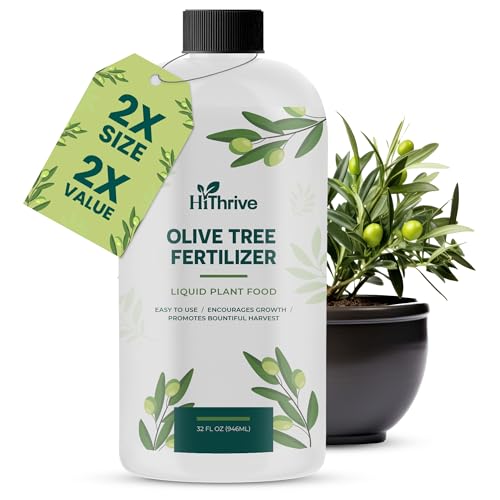
2X MORE VALUE: 16 oz of Olive outdoor & indoor plant fertilizer makes 16 gallons of fruit tree spray, while the bigger size 32 oz bottle makes 32 gallons for lasting care of your olive tree live plant.
Pruning Techniques
Pruning olive trees enhances air circulation and sunlight penetration. Aim to prune during early spring before new growth. Remove dead or crowded branches, allowing stronger branches to thrive. Use sharp, clean tools to make precise cuts. Focus on maintaining an open center, promoting better fruiting. Regularly check for disease or pests, and address issues promptly.
Nutritional Requirements
Olive trees thrive with balanced nutrition. Use a fertilizer high in nitrogen, phosphorus, and potassium in early spring. Apply approximately 1 pound of fertilizer per mature tree. Supplement with organic compost during the growing season, enhancing soil quality. Monitor soil pH; a range of 6 to 8 is optimal for olive trees. Regular soil tests help guide adjustments for the best nutrient balance.
Conclusion
Caring for your olive tree can lead to a rewarding experience filled with delicious harvests. By understanding the factors that influence fruiting cycles you can make informed decisions that promote healthy growth. Whether you’re nurturing a young tree or enjoying the fruits of a mature one your efforts will pay off in time.
Remember to keep an eye on the climate and provide the right care to boost your tree’s productivity. With patience and attention you’ll not only enhance your garden but also enjoy the satisfaction of harvesting your own olives. Happy gardening!
Frequently Asked Questions
When do olive trees start producing fruit?
Olive trees typically begin to bear fruit around five years of age, though the production may be minimal. By ten years, they usually yield a moderate harvest, with peak production occurring between 15 to 20 years.
How often do olive trees produce fruit?
Olive trees commonly fruit every other year. However, this can vary by variety; some, like Arbequina, may produce consistently each year, while others might alternate between heavy and light yields.
What factors affect the fruiting cycle of olive trees?
Key factors include the tree’s age, climate conditions, and care practices. Younger trees produce fewer olives, while mature trees yield better harvests. Additionally, extreme temperatures and improper care can hinder fruit production.
What is the ideal climate for growing olive trees?
Olive trees thrive in hot, dry Mediterranean climates. Mild winters and hot summers promote optimal growth, while frost and excessive humidity can negatively impact fruit production.
How should olive trees be cared for to maximize fruit yield?
Regular watering during dry periods, timely pruning in early spring, and balanced fertilization are essential. Planting multiple varieties nearby can also enhance pollination and fruit set, further increasing yields.
When is the best time to harvest olives?
Olives should be harvested when they reach the desired color: green for oil production and dark purple for table olives. The harvest period usually spans from late summer to early winter.
How many olives can a mature tree produce?
A mature olive tree can produce between 30 to 150 pounds of olives annually. Yields may vary from year to year based on several factors such as health, age, and care of the tree.
What are effective pruning techniques for olive trees?
Pruning should occur in early spring and focus on maintaining an open center to enhance air circulation and sunlight penetration. This helps promote healthy growth and optimal fruit production.
How can I improve the soil quality for olive trees?
Using a balanced fertilizer and organic compost can enhance soil quality. It’s also helpful to monitor soil pH and conduct regular soil tests to ensure optimal nutrient balance for healthy olive tree growth.
