

Have you ever wondered how tall your favorite fruit trees can actually grow? If you’re thinking about planting one in your yard, knowing their potential height is key to making the right choice. Imagine the excitement of harvesting fresh apples or peaches, but also the challenge of finding the perfect spot for your new tree.
Key Takeaways
- Fruit Tree Height Varies: Understanding the potential heights of fruit trees, such as apples (8-30 ft) and peaches (15-25 ft), helps in choosing the right tree for your space.
- Influences on Growth: Tree variety, rootstock, pruning, and growing conditions like soil and sunlight significantly affect how tall a tree can grow.
- Soil Quality Matters: Well-draining, nutrient-rich soil supports healthy root systems and promotes taller growth. Conducting a soil test can help adjust pH levels for optimal fruit tree health.
- Sunlight is Essential: Most fruit trees thrive with 6 to 8 hours of direct sunlight daily; inadequate sunlight can hinder their height and fruit production.
- Pruning Techniques: Regular pruning encourages healthy horizontal growth and can help manage overall tree height, ensuring better fruit yield and accessibility.
- Fertilization: Proper fertilization based on soil tests supports tree health and growth, with balanced nutrients applied at the right times to enhance fruit production.
Understanding Fruit Tree Heights
Knowing how tall fruit trees grow helps you select the right tree for your space. By considering growth potential, you can plan better for sunlight, soil, and other conditions.
Factors Influencing Height
- Tree Variety: Different species naturally grow to varying heights. For instance, a standard apple tree reaches around 20 feet, while a dwarf apple tree grows to about 8 feet.
- Rootstock: The rootstock affects overall height. Trees grafted onto dwarfing rootstocks remain smaller compared to those on standard rootstocks.
- Pruning Techniques: Regular pruning encourages horizontal growth and can limit overall height. Specific methods (like heading cuts) help manage tree size.
- Growing Conditions: Soil quality, water availability, and sunlight impact growth. Well-drained soil and full sun promote better, taller growth.
- Age: Younger trees typically continue to grow taller until reaching their mature height, usually within 5 to 15 years.
- Apple Trees: They grow between 8 to 30 feet high, depending on variety and rootstock.
- Peach Trees: Expect peach trees to reach heights of 15 to 25 feet. Dwarf varieties can stay around 5 to 6 feet tall.
- Pear Trees: Standard pear trees can grow up to 25 feet, while dwarf versions often maintain a height of about 10 feet.
- Citrus Trees: Citrus varieties like lemon and orange can grow up to 20 feet tall. Dwarf citrus trees typically reach about 5 to 8 feet.
- Plum Trees: They grow between 10 to 20 feet, with some dwarf plum varieties staying smaller at around 6 feet.
Average Heights of Popular Fruit Trees
Knowing the average heights of popular fruit trees helps you choose the right ones for your planting area. Below are details on common fruit tree types.
Recommended Products

Product Quantity: 180+ premium bonsai fruit seeds across 5 varieties; Individual packs contain 40+ apple, 40+ lemon, 40+ orange, 20+ blueberry, and 40+ cherry seeds; Perfect for starting a diverse miniature orchard

4 kinds of the most popular fruits, individually packaged, 50pcs Lemon seeds 50pcs Cherry seeds 50pcs Orange seeds 50pcs Apple seeds Fresh seeds, all fruit seeds are packed in tear and moisture resistant zipper sealed bags for your long term storage.

Apple Trees
Apple trees vary in height based on their varieties. Standard apple trees can grow up to 20 feet tall. Dwarf apple trees, ideal for limited space, usually reach heights around 6 to 10 feet. Semi-dwarf varieties stand between these two, typically ranging from 12 to 15 feet. Choose the right type based on available space and desired fruit yield.
Orange Trees
Orange trees exhibit different heights depending on their type. Standard orange trees generally grow between 15 and 25 feet tall. Dwarf orange trees stay more compact, usually reaching heights of 3 to 8 feet. This compact size makes them suitable for smaller yards or patios. Consider sunlight, soil conditions, and climate when deciding on the variety.
Cherry Trees
Cherry trees also come in various sizes. Standard sweet cherry trees can reach 20 to 30 feet tall, while sour cherry trees typically grow smaller, reaching 15 to 20 feet. Dwarf cherry trees are an excellent choice for limited space, growing to around 5 to 8 feet. To ensure healthy growth, provide adequate sunlight and well-drained soil.
Growing Conditions and Their Impact on Height
Growing conditions play a significant role in determining how tall your fruit trees can grow. Factors like soil quality, sunlight, and watering practices directly affect their development and eventual height.
Recommended Products

Accurate Soil pH Testing: Dewildetradingco Soil pH Test Strips offer measurements of soil pH levels (pH 3.5-9). As an essential tool for every gardener and grower, these test strips help determine the optimal pH for various plants, such as outdoor plants, indoor plants, gardens, grass lawns, fruit trees, flowers, vegetables, and forest shrubs.

KNOW BEFORE YOU GROW | Grow the healthiest, sustainable lawn and garden with the most accurate and easy to use professional soil test kit on the market

Kindly NOTE: This soil tester can not be applied to test pH value of any other liquid. If the soil is too dry the indicator will not move, and water it before testing.
Soil Quality
Soil quality impacts root growth and nutrient uptake. Well-draining soil rich in organic matter promotes healthy root systems. Fruits like apples flourish in loamy soil, while citrus trees prefer sandy loam. Conduct a soil test to check pH levels; most fruit trees thrive between 6.0 and 7.5. Amend the soil with compost or well-rotted manure to improve fertility and structure.
Sunlight Requirements
Sunlight is essential for fruit tree growth. Most fruit trees require 6 to 8 hours of direct sunlight each day. Lack of sunlight can lead to stunted growth and reduced fruit production. For instance, apple trees planted in shaded areas may only reach half their potential height. Choose a location with unobstructed sunlight to ensure optimum growth.
Watering Practices
Watering practices effectively influence the height and health of fruit trees. Overwatering can cause root rot, while underwatering leads to stress and stunted growth. A deep watering once a week encourages deep root development. During hot, dry spells, adjust your watering schedule to maintain moisture in the soil. Use mulch around the base to retain soil moisture efficiently.
Maintaining Optimal Growth
To achieve optimal growth of your fruit trees, proper care and maintenance are essential. Two key areas to focus on include pruning techniques and fertilization tips.
Recommended Products

IDEAL BRANCH TRIMMER: 28" Steel blade garden bypass lopper that glides through up to 1.5" thick branches for easy cuts; Works well for trimming tree branches to maintain your yard and garden, and to encourage overall plant health and appearance
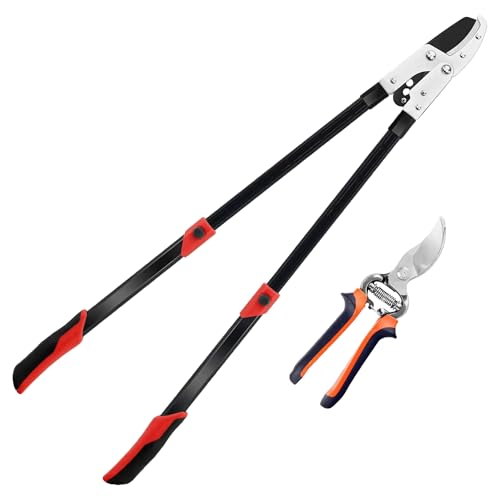
LONG LASTING SHARP: tree branch cutter alloy steel blade with teflon coated and low-friction coating that will long lasting sharp after tough job. Tree pruner is ideal for trimming green living or dry branches, chop through thick branches effortlessly

Small scissors are suitable for cutting flower branches, while large scissors are suitable for cutting thick branches,Wipe it clean with oil promptly after use
Pruning Techniques
Pruning shapes your fruit trees and encourages healthy growth. Follow these steps for effective pruning:
- Timing: Prune in late winter or early spring before new growth appears. Avoid pruning in fall as this may stimulate new growth vulnerable to winter conditions.
- Tools: Use sharp, clean tools like pruning shears or loppers. This prevents damage and reduces the risk of disease.
- Technique: Remove dead or diseased branches first. Then, focus on thinning out crowded areas to improve airflow and sunlight exposure. Make clean cuts at a slight angle to encourage healing.
- Focus on Structure: Aim for an open center structure, especially for fruit trees like peaches and cherries. This encourages better fruit production and easier access for harvesting.
Fertilization Tips
Fertilizing your fruit trees provides essential nutrients for their growth. Consider these guidelines:
- Soil Testing: Test your soil to determine nutrient levels. Adjust your fertilization program based on these results to meet specific needs.
- Type of Fertilizer: Choose a balanced fertilizer with equal parts nitrogen, phosphorus, and potassium (N-P-K). This promotes overall health and fruit production.
- Application Timing: Fertilize in early spring as new growth begins. Follow up with a second application in late spring or early summer, but avoid fertilizing too late in the season, which can promote excessive growth before winter.
- Method: Apply fertilizer evenly around the root zone, avoiding direct contact with the trunk. Water thoroughly after applying to help transport nutrients to the roots.
- Organic Options: Consider using organic fertilizers like compost or well-rotted manure. These options improve soil structure and provide long-term benefits.
By implementing proper pruning techniques and fertilization practices, you pave the way for your fruit trees to reach their full height potential and maximize fruit production.
Conclusion
Understanding how tall fruit trees can grow is key to creating a thriving garden. By choosing the right variety for your space and considering factors like sunlight and soil quality, you set the stage for healthy growth.
With proper care including pruning and fertilization you’ll not only enjoy the beauty of your trees but also the delicious fruits they produce. So take the time to plan and nurture your fruit trees, and you’ll be rewarded with a bountiful harvest for years to come. Happy gardening!
Frequently Asked Questions
What height can I expect from standard apple trees?
Standard apple trees typically grow up to 20 feet tall. The height can vary based on factors like variety and growing conditions, so it’s essential to choose a suitable location for adequate growth.
How tall do dwarf fruit trees grow?
Dwarf fruit trees generally reach heights between 6 to 10 feet. They are ideal for smaller yards or gardens, making them easier to manage while still providing delicious fruits.
What influences the height of fruit trees?
The height of fruit trees is affected by several factors, including the tree variety, rootstock, pruning practices, growing conditions, and the tree’s age. Each of these factors can significantly impact overall growth.
How much sunlight do fruit trees need?
Most fruit trees require 6 to 8 hours of direct sunlight daily for optimal growth. Ensuring sufficient sunlight is vital for healthy fruit production and overall tree vitality.
What are effective pruning techniques for fruit trees?
Effective pruning should occur in late winter or early spring. Use sharp tools, remove dead branches, and aim for an open center structure to promote air circulation and fruit production.
How often should I water my fruit trees?
Deep watering once a week is recommended for fruit trees. It’s essential to use mulch to retain moisture and prevent root rot, ensuring the trees have adequate hydration without overwatering.
Why is soil quality important for fruit trees?
Soil quality plays a crucial role in the height and health of fruit trees. Well-draining soil rich in organic matter promotes healthy root systems, which are vital for growth and fruit production.
How can I maximize fruit production?
To maximize fruit production, focus on proper care, including appropriate pruning, fertilization, and ensuring optimal growing conditions, such as adequate sunlight and water. Regular maintenance can also enhance fruit yields.
