Close Menu
    Fruit Tree Hub
    • Home
    • Apple Trees
    • Lemon Trees
    • Mango Trees
    • Orange Trees
    • More Trees
      • Best Fruit Trees
      • Apricot Trees
      • Cherry Trees
      • Fig Trees
      • Lime Trees
      • Mulberry Trees
      • Peach Trees
      • Pear Trees
      • Plum Trees
      • Pomegranate Trees
    • Tips and Advice
      • Tools
    • About Us
      • Contact
      • Privacy Policy
    Fruit Tree Hub
    Home»Tips and Advice»How Often Do You Need to Water Fruit Trees for Healthy Growth and Maximum Yield
    Tips and Advice

    How Often Do You Need to Water Fruit Trees for Healthy Growth and Maximum Yield

    Martha JacksonBy Martha JacksonNovember 21, 20248 Mins Read
    Share Facebook Twitter Pinterest WhatsApp Email
    Share
    Facebook Twitter LinkedIn Pinterest Telegram Email

    Are you unsure how often to water your fruit trees? You’re not alone. Many gardeners struggle with finding the right balance between giving their trees enough moisture and overwatering, which can lead to root rot and other issues.

    Contents show
    1 Key Takeaways
    2 Understanding Fruit Tree Watering Needs
    2.1 Factors Affecting Watering Frequency
    3 Seasonal Watering Guidelines
    3.1 Spring Watering Considerations
    3.2 Summer Watering Protocols
    3.3 Fall and Winter Watering Adjustments
    4 Signs of Underwatering and Overwatering
    4.1 Recognizing Stress in Fruit Trees
    5 Best Practices for Watering Fruit Trees
    5.1 Methods of Watering
    6 Conclusion
    7 Frequently Asked Questions
    7.1 How often should I water my fruit trees?
    7.2 What are the signs of underwatering in fruit trees?
    7.3 How does the season affect watering frequency?
    7.4 What are the best watering methods for fruit trees?
    7.5 How can I improve the drainage of my soil?
    7.6 When is the best time to water fruit trees?
    7.7 Which fruit trees require more frequent watering?
    7.8 How can I check if my fruit trees need water?

    Understanding your trees’ watering needs is crucial for healthy growth and a bountiful harvest. This article will guide you through the factors that influence watering frequency, helping you create a watering schedule that suits your specific climate and soil conditions. You’ll learn how to keep your fruit trees thriving so you can enjoy delicious, homegrown fruit for years to come.

    Key Takeaways

    • Understanding the water requirements of fruit trees is essential for their health and productivity, with needs varying by climate, soil type, tree age, and season.
    • Young trees require more frequent watering to establish roots, while mature trees can handle drier conditions.
    • Seasonal factors play a significant role; trees generally need more water in summer and less during fall and winter when dormant.
    • Recognizing the signs of underwatering (wilting, brown edges) and overwatering (root rot, mushy roots) can help you adjust your watering practices effectively.
    • Implementing best watering practices like drip irrigation, mulching, and monitoring soil moisture will foster healthy growth and optimal fruit production.

    Understanding Fruit Tree Watering Needs

    Understanding how often to water fruit trees is essential for their health and productivity. Various factors affect watering frequency, and different types of fruit trees have unique needs.

    Factors Affecting Watering Frequency

    1. Climate: Hot, dry climates increase evaporation, requiring more frequent watering. In cooler, humid areas, trees need less water.
    2. Soil Type: Sandy soils drain quickly and demand more water. Clay soils retain moisture, so you may water less often.
    3. Tree Age: Young trees need consistent moisture to establish roots, while mature trees can tolerate drier conditions.
    4. Season: During hot summer months, trees require more water. In spring and fall, hydration needs often decrease.
    5. Rainfall: Monitor local rainfall to adjust your watering schedule. Less rain means more frequent watering.
    6. Tree Species: Different species, such as apples or peaches, may have varying water needs; be sure to research specific requirements.
    MUST READ
    How Long Does It Take Fruit Trees to Bear Fruit: Timelines and Tips for Gardeners
    1. Apple Trees: Require deep watering every 1-2 weeks. Adjust frequency based on rainfall and season.
    2. Peach Trees: Benefit from weekly watering, especially during fruit development. Check soil moisture regularly.
    3. Citrus Trees: Thrive with bi-weekly watering. Ensure good drainage to prevent root rot.
    4. Cherry Trees: Prefer more infrequent, deep watering. Water every 2-3 weeks during dry spells.
    5. Fig Trees: Need consistent moisture but don’t tolerate standing water. Water bi-weekly, adjusting for dry conditions.

    By considering these factors and recognizing the specific needs of your fruit trees, you can develop a successful watering routine that fosters healthy growth and fruitful harvests.

    Seasonal Watering Guidelines

    Understanding seasonal changes is crucial for effective watering of your fruit trees. Each season brings unique conditions that influence how often you should water.

    Recommended Products
    Caulimo Deep Root Watering Tool for Trees, Tree Watering Spike with Fertilizer Bottle, Stainless Steel Root Feeder for Garden, Orchard & Shrubs, Tree Irrigation System with Brass Valve, T-Handle
    Caulimo Deep Root Watering Tool for Trees, Tree Watering Spike with Fertilizer Bottle, Stainless Steel Root Feeder for Garden, Orchard & Shrubs, Tree Irrigation System with Brass Valve, T-Handle

    4-Hole Side Design: This high-performance tree watering spike makes it easy to deliver water and fertilizer directly to the root zone. The upgraded side-hole design helps improve watering efficiency, while the sharp tip makes it easy to push into hard or compact soil. The 4 side outlets help reduce clogging and distribute water more evenly for deep root watering and feeding.

    VIEW LATEST PRICE

    As an affiliate, we earn on qualifying purchases.

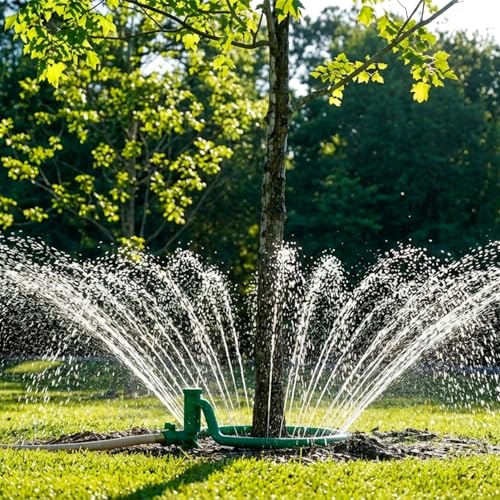
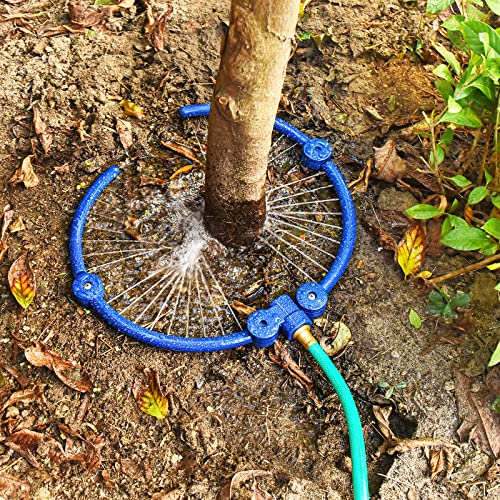
    2Pcs 360° Tree Water Sprinkler, Adjustable Tree Watering Ring with Y Hose Splitters, Circle Tree Root Irrigation System for Outdoor New Trees Shrubs Plants Garden Beds
    2Pcs 360° Tree Water Sprinkler, Adjustable Tree Watering Ring with Y Hose Splitters, Circle Tree Root Irrigation System for Outdoor New Trees Shrubs Plants Garden Beds

    360 ° Design & No Waste: The tree water sprinkler can be adjusted into a ring to be placed around the roots for watering, with multiple water outlets on the inside and the water comes out evenly, which can be placed where it needs to be watered without wasting.

    MUST READ
    What Are the Fruit Trees and How to Successfully Grow Them in Your Garden
    VIEW LATEST PRICE

    As an affiliate, we earn on qualifying purchases.

    Zixixiz 10FT 1/2-Inch Soaker Hose for Trees, Garden Soaker Hose Ring with Y Splitter,Leak-Resistant Watering System
    Zixixiz 10FT 1/2-Inch Soaker Hose for Trees, Garden Soaker Hose Ring with Y Splitter,Leak-Resistant Watering System

    Compact length for targeted watering around tree trunks and shrubs. Easy to wrap without excess hose, preventing tangling. Perfect for single trees, small shrub beds, or potted plants.

    VIEW LATEST PRICE

    As an affiliate, we earn on qualifying purchases.

    Spring Watering Considerations

    In spring, the trees emerge from dormancy. You should start watering as temperatures rise, especially if rainfall is low. Newly planted trees benefit from weekly watering to support root establishment. Established trees may require watering every 1-2 weeks, depending on rainfall, soil type, and temperature.

    Summer Watering Protocols

    Summer heat often means trees consume more water. During this season, aim for deep watering at least once a week. For sandy soils, consider watering twice weekly to compensate for quick drainage. While fruit trees set fruit, monitor moisture levels closely. Dry spells might necessitate additional watering, while consistent rain can reduce frequency.

    Fall and Winter Watering Adjustments

    As temperatures cool in fall, reduce watering frequency. Established trees typically need water every 2-4 weeks. Ensure soil remains moist but not soggy. In winter, dormant trees require minimal watering. If winter is dry, a deep watering every month can prevent stress. Adjust according to local climate conditions to maintain tree health.

    Signs of Underwatering and Overwatering

    Identifying signs of underwatering and overwatering is crucial for maintaining the health of your fruit trees. These symptoms can help you adjust your watering practices effectively.

    Recommended Products

    XLUX Long Probe Deep Use Soil Moisture Meter, Water Monitor Indicator Sensor, Hygrometer for Outdoor Indoor Large Pot Plants, Flower, Gardening, Farming
    XLUX Long Probe Deep Use Soil Moisture Meter, Water Monitor Indicator Sensor, Hygrometer for Outdoor Indoor Large Pot Plants, Flower, Gardening, Farming

    Accurate Soil Moisture Detection: The XLUX Soil Moisture Meter can tell you if the soil deep inside your pot or garden is dry, moist or wet; whereas your eyes and fingers can only determine the moisture level of the soil surface. The probe is 5.5 inches (14 cm) longer than regular styles, allowing it to measure the soil moisture at the bottom of larger and deeper flower pots.

    VIEW LATEST PRICE

    As an affiliate, we earn on qualifying purchases.

    YAMRON 4-in-1 Soil Moisture Meter Digital Plant Temperature/Soil Moisture/pH Meter/Sunlight Intensity Backlight LCD Display Soil Test Meter for Gardening, Farming and Outdoor Plants
    YAMRON 4-in-1 Soil Moisture Meter Digital Plant Temperature/Soil Moisture/pH Meter/Sunlight Intensity Backlight LCD Display Soil Test Meter for Gardening, Farming and Outdoor Plants

    【4 in 1 function】This is a 4-in-1 multifunctional soil tester.Our soil tester fastly to measure soil moisture, pH, temperature and sunlight to help you take better care of flowers and plants.You can know when you need to water your soil by measuring moisture and pH & Temperature value of the soil and sunlight level of plants with it.

    MUST READ
    Will a Potted Avocado Tree Bear Fruit: Key Tips for Successful Growth and Care
    VIEW LATEST PRICE

    As an affiliate, we earn on qualifying purchases.

    Recognizing Stress in Fruit Trees

    • Wilting Leaves: Leaves may droop or appear lifeless. This reflects insufficient moisture in the soil.
    • Browning Leaf Edges: Brown edges or tips indicate stress from lack of water or excess moisture.
    • Falling Leaves: Premature leaf drop often results from unresolved moisture issues.
    • Slow Growth: Stunted growth, especially in young trees, signals that the roots aren’t receiving enough water.
    • Soft, Mushy Roots: Overwatered trees may develop root rot, leading to roots that lack firmness.
    • Adjust Watering Schedule: Increase frequency during hot, dry spells and decrease during cooler, wetter weeks.
    • Check Soil Moisture: Use a moisture meter or your finger to gauge soil dampness. Aim for moist, not soggy, soil.
    • Implement Deep Watering: Water the soil deeply less frequently to encourage deep root growth.
    • Improve Drainage: If overwatering is an issue, ensure proper drainage around trees to prevent water accumulation.
    • Mulch Application: Apply organic mulch to retain soil moisture and regulate temperature, reducing watering needs.

    By monitoring these signs and implementing solutions promptly, you can ensure your fruit trees thrive and produce healthy fruit.

    Best Practices for Watering Fruit Trees

    Watering fruit trees properly promotes growth and fruit production. Following a few best practices ensures your trees get the moisture they need.

    Recommended Products

    Garden Irrigation System, 20Pcs/Bag Irrigation Dripper with Ground Insert Fruit Tree Drip Irrigation Emitters for 1/4 inch drip Irrigation tubing(90 Degree with Plunger)
    Garden Irrigation System, 20Pcs/Bag Irrigation Dripper with Ground Insert Fruit Tree Drip Irrigation Emitters for 1/4 inch drip Irrigation tubing(90 Degree with Plunger)

    This IRRIRIGATION DRIPPER is divided into 90 ° with Plunger, 180 ° with Plunger, and 360 ° with Plunger. For details, please check the size, please follow the corresponding products according to your needs.

    VIEW LATEST PRICE

    As an affiliate, we earn on qualifying purchases.

    Drip Irrigation System for Garden, 2026-Upgraded Quick Connect Garden Watering Kit All-in-One with 1/2 inch 1/4 inch Irrigation Tubing for Garden, Lawn, Greenhouse, Raised Beds (233FT)
    Drip Irrigation System for Garden, 2026-Upgraded Quick Connect Garden Watering Kit All-in-One with 1/2 inch 1/4 inch Irrigation Tubing for Garden, Lawn, Greenhouse, Raised Beds (233FT)

    All-in-One Complete Kit - Comes with everything needed right out of the box: 33 FT of durable 1/2" main line, 200 FT of 1/4" drip line, 40 emitters, and all necessary fittings for lawns, greenhouses, flower beds, and more

    MUST READ
    Can You Use Sevin Spray on Fruit Trees for Effective Pest Control and Safety Tips
    VIEW LATEST PRICE

    As an affiliate, we earn on qualifying purchases.

    Bonviee Drip Irrigation System 230FT – Quick Connect Garden Watering Kit with Adjustable Drip Emitters, 1/4” & 5/16” Tubing for Raised Beds, Greenhouse, Lawn, Automatic Timer Compatible
    Bonviee Drip Irrigation System 230FT – Quick Connect Garden Watering Kit with Adjustable Drip Emitters, 1/4” & 5/16” Tubing for Raised Beds, Greenhouse, Lawn, Automatic Timer Compatible

    NO MORE HARD INSTALLATION - SET UP IN MINUTES. Tired of struggling with stiff barbed fittings? This drip irrigation system features quick-connect fittings that let you push, lock, and secure tubing effortlessly. No tools, no leaks, just a smooth setup experience. Enjoy a frustration-free installation and get your garden watering system running in minutes.

    VIEW LATEST PRICE

    As an affiliate, we earn on qualifying purchases.

    Methods of Watering

    1. Drip Irrigation: Installs a system of tubing with emitters that deliver water directly to the root zone. This method conserves water and reduces evaporation.
    2. Soaker Hoses: Employs porous hoses that release water slowly along their length. Lay these hoses on the soil surface to provide consistent moisture.
    3. Hand Watering: Involves using a hose or watering can to water trees directly. This method allows you to check soil moisture levels easily.
    4. Flood Irrigation: Creates shallow basins around trees that fill with water. This technique is less common but useful in certain soil types.
    5. Rainwater Harvesting: Collects rain in barrels or cisterns. Use this water for irrigation to reduce reliance on municipal sources.
    1. Soil Moisture Meter: Measures moisture levels in the soil. Use this tool to determine when to water your trees.
    2. Mulch: Applies a layer of organic material around the base of the tree. Mulch retains moisture and suppresses weeds.
    3. Watering Can: Useful for targeted watering, especially for young trees. Use it when precise measurements are necessary.
    4. Basin Creation: Shapes the ground around the tree to hold water. Create a shallow basin to capture rainwater and irrigation.
    5. Timing: Waters in the early morning or late afternoon to minimize evaporation. This practice ensures your trees absorb moisture more effectively.

    Employing these methods and tools helps you establish a successful watering routine for your fruit trees, leading to healthy growth and abundant harvests.

    Conclusion

    Caring for your fruit trees involves understanding their unique watering needs. By paying attention to factors like climate soil type and tree age you can create a personalized watering schedule that keeps your trees healthy and thriving.

    MUST READ
    Are Palm Tree Fruit Edible? Exploring Their Nutritional Benefits and Culinary Uses

    Remember to adjust your routine based on the seasons and weather conditions. Look out for signs of stress in your trees and be ready to make changes as needed. With the right approach you’ll not only promote strong growth but also enjoy a bountiful harvest of delicious fruit. Happy gardening!

    Frequently Asked Questions

    How often should I water my fruit trees?

    Watering frequency depends on factors like climate, soil type, and tree age. Generally, deep water young trees every 1-2 weeks, while mature trees may only need watering every few weeks, depending on the season and rainfall.

    What are the signs of underwatering in fruit trees?

    Signs of underwatering include wilting leaves, browning leaf edges, and slow growth. If your fruit tree is dropping leaves or has soft roots, it could indicate that it needs more water.

    How does the season affect watering frequency?

    During spring, newly planted trees need weekly watering, while established trees may need it every 1-2 weeks. In summer, aim for at least weekly deep watering. In fall, reduce watering to every 2-4 weeks, and in winter, only minimal watering is necessary.

    What are the best watering methods for fruit trees?

    Effective methods include drip irrigation, soaker hoses, and hand watering. Each has its advantages, such as efficient moisture application and improved soil retention. Using mulch can also help maintain soil moisture.

    How can I improve the drainage of my soil?

    To improve soil drainage, consider adding organic matter like compost to enrich the soil and enhance its structure. Creating swales or mounds can also help manage water flow and prevent waterlogging near tree roots.

    When is the best time to water fruit trees?

    The best times to water are early in the morning or late afternoon. This reduces evaporation and allows the water to penetrate the soil more effectively, ensuring your trees receive the moisture they need.

    Which fruit trees require more frequent watering?

    Fruit trees like peach and young apple trees usually need more frequent watering, especially during fruit development. In contrast, more established trees, such as mature cherries, require less frequent watering.

    How can I check if my fruit trees need water?

    You can check soil moisture by digging a small hole near the roots or using a soil moisture meter. If the top 1-2 inches of soil are dry, it’s time to water your tree.

    Share. Facebook Twitter Pinterest LinkedIn Tumblr Email
    martha jackson
    Martha Jackson

      Martha Jackson is an accomplished freelance writer and editor with a strong interest in gardening. With a degree in English from the University of California, Berkeley, Martha has over 15 years of experience writing for a variety of publications. She is passionate about making gardening accessible to all and is always seeking out new techniques and innovations.

      Related Posts

      How Long Until Avocado Trees Bear Fruit and Tips for Faster Growth at Home

      February 20, 2025

      What Yellow Fruit Grows on Trees and Their Delicious Health Benefits

      February 20, 2025

      How to Air Layer Fruit Trees: A Step-by-Step Guide for Successful Propagation

      February 20, 2025

      When Do Grapefruit Trees Produce Fruit and How to Maximize Your Harvest

      February 20, 2025

      What Is a Fast Growing Fruit Tree: Discover Quick-Yield Options for Your Garden

      February 20, 2025

      Do Cherry Blossom Trees Have Fruit? Discover the Truth About Their Edibility and Benefits

      February 20, 2025
      Leave A Reply Cancel Reply

      Affiliate Disclosure

      As an Amazon Associate I earn from qualifying purchases.

      Recommended Reading

      Can You Plant Fruit Trees in April: Essential Tips for Successful Growth and Care

      When Do Fruit Trees Lose Their Leaves: Understanding Timing and Care for Healthy Trees

      Olive Trees in Washington (PNW Success and Harvest Tips)

      What is Copper Spray for Fruit Trees and How to Use It Effectively for Healthier Harvests

      Spray Dormant Oil on Jujube Trees (The Correct Seasonal Schedule)

      Is Palm Tree Fruit Edible: Discover the Varieties You Can Safely Enjoy

      Quince Trees in a Pot in New York City, NY (Rooftop Tips)

      When to Prune Fruit Trees in Massachusetts for Healthy Growth and Bountiful Harvests

      Why Is My Kumquat Tree Not Bearing Fruit and How to Fix Common Problems

      Which World Tree Only Produces Fruit Every Three Thousand Years: Unveiling Its Mystical Significance

      Fruit Tree Hub

      Fruit Tree Hub is a website dedicated to providing you everything you need to grow fruit trees successfully at in your own yard.

      Contact us at: [email protected]

      - AFFILIATE DISCLOSURE: As an Amazon Associate I earn from qualifying purchases.

      Latest Posts

      Nectarine Trees in New Mexico (High Desert Planting Success)

      Orange Trees in a Pot in Los Angeles, CA: Mediterranean Style

      Can Grapefruit Trees Grow in Bakersfield, CA? Heat Tips

      Can Tangerine Trees Grow in Wyoming? Cold-Hardiness Secrets

      Guava Trees in Riverside, CA (Inland Empire Growth Secrets)

      Orange Trees in a Pot in Massachusetts (Coastal Growth Manual)

      Jujube Trees in Glendale, AZ (Mastering Desert Heat Growth)

      Grapefruit Trees in Buffalo, NY: Lake Effect Survival Guide

      Categories
      • Almond Trees
      • Apple Trees
      • Apricot Trees
      • Best Fruit Trees
      • Blackberry
      • Cantaloupe
      • Cherry Trees
      • Crochet Ideas
      • Crochet Ideas for Beginners
      • Cucamelon
      • Easy Crochet Ideas
      • Easy Knitting Projects
      • Fig Trees
      • Grapefruit Trees
      • Grapes
      • Guava Trees
      • Honeydew
      • Jujube Trees
      • Kiwi
      • Knitting For Beginners
      • Knitting Ideas
      • Knitting Inspiration
      • Lemon Trees
      • Lime Trees
      • Loquat Trees
      • Mango Trees
      • Mulberry Trees
      • Nectarine Trees
      • Olive Trees
      • Orange Trees
      • Papaya Trees
      • Peach Trees
      • Pear Trees
      • Persimmon Trees
      • Planting
      • Plum Trees
      • Pomegranate Trees
      • Quince Trees
      • Raspberry
      • Reviews
      • Small Crochet Ideas
      • Star Fruit Trees
      • Summer Crochet Ideas
      • Tamarind Trees
      • Tangerine Trees
      • Tips and Advice
      • Tools
      • Uncategorized
      • Walnut Trees
      © 2026 Fruit Tree Hub
      • Home
      • About Us
      • Contact
      • Privacy Policy
      • Terms and Conditions
      • Disclaimer
      • Editorial Policy
      • Affiliate Disclosure

      Type above and press Enter to search. Press Esc to cancel.