

Have you ever watched helplessly as birds feast on your ripe fruit, leaving you with nothing but bare branches? You’re not alone. Many gardeners face this frustrating challenge every season, wondering how to protect their hard-earned harvest from feathered intruders.
Key Takeaways
- Understanding Bird Impact: Birds can cause significant damage to fruit trees, leading to a 30-50% reduction in crop yield due to their feeding habits.
- Identifying Pest Species: Key bird species that raid fruit include sparrows, starlings, crows, robins, and blue jays, each with specific preferences for different fruits.
- Efficient Protective Strategies: Use bird netting, visual deterrents (like reflective objects), noise-making devices, and natural deterrents (such as aromatic herbs) to keep birds away from fruit trees.
- Timely Implementations: Set up protective measures 1-2 weeks before fruit ripening to ensure optimal effectiveness in deterring birds.
- Regular Maintenance: Regularly inspect and maintain deterrent measures to ensure they remain effective, including checking for damage and relocating visual scare devices frequently.
Understanding The Problem
Birds can quickly turn a promising harvest into a disappointing one. When you plant fruit trees, you expect to enjoy the fruits of your labor, but pesky birds often disrupt this joy.
Importance Of Protecting Fruit Trees
Protecting your fruit trees is essential for a successful harvest. Birds can strip trees of ripe fruit, preventing you from enjoying your produce and risking financial loss if you’re selling the fruit. Moreover, fruits left on the tree can attract pests, further damaging your trees and future yields. By safeguarding your trees, you also promote a healthier growing environment, which benefits both your trees and the ecosystem.
Impact Of Birds On Fruit Production
Birds significantly impact fruit production. They’re known to eat a variety of fruits, including cherries, apples, and berries. According to studies, a single flock can consume up to 1,200 cherries in an hour. This level of feeding can lead to a 30-50% reduction in crop yield in severe cases. Every fruit tree and its harvest can suffer when birds raid your garden. Understanding these impacts helps underscore the importance of implementing protective measures.
Common Bird Species That Damage Fruit Trees
Several bird species commonly raid fruit trees, leading to significant damage and loss. Identifying these culprits enables you to implement effective protection strategies.
Recommended Products

Size: Deer netting size 7 feet x 100 feet; garden netting mesh size 3/4"; color: black; Easy to use accessories included: 10pcs installation nails & 50pcs cable ties

【Perfect Size for Garden Protection】Avagiaforu bird netting for garden measures 13ft x 32ft with 0.8" x 0.8" mesh, providing wide coverage for beds, balconies, raised gardens and trees. This netting for garden protection allows sunlight, rain, airflow and pollinators to pass through while helping protect vegetables, plants and fruit trees for healthier growth and better harvests

Protect Your Vegetables and Fruits: LCHUANG Garden Netting is great for orchards, greenhouses, gardens, nurseries, patios, and shrubs. This Bird Netting with a zipper can protect blueberries, tomatoes, trees, fruits, flowers, vegetables, and potted plants from insects, birds, and bugs, which helps the plants grow normally.
Identifying The Culprits
- Sparrows: Sparrows are often found in orchards and gardens, attracted to soft fruits like strawberries and cherries.
- Starlings: Starlings can form large flocks and cause extensive damage, particularly to cherries and blueberries.
- Crows: Crows show interest in fruit and seeds, damaging trees as they forage for food and often targeting apples and cherries.
- Robins: Robins love berries and can quickly strip bushes and trees clean of fruit.
- Blue Jays: Blue Jays are notorious for raiding fruit trees and are especially fond of berries, cherries, and grapes.
- Spring: Many birds, including starlings and robins, begin nesting. They often seek out food sources, such as early fruits, to feed their young.
- Summer: As fruits ripen, bird activity increases. You may notice larger flocks of sparrows and blue jays foraging in your trees.
- Fall: Some birds, like crows, take advantage of fallen fruits while others search for late-season crops. They may return to previously available sources, causing renewed damage.
Understanding the patterns of these bird species’ activities helps you choose the right timing for protective measures.
Effective Strategies To Keep Birds Away
Securing your fruit trees from birds involves a mix of techniques. Here are effective strategies to consider.
Recommended Products

【Garden Netting Kit】7.5ft x 100ft bird netting, 3/4" fine square netting mesh to keep any small birds out. Accessories included: 10 pcs metal U shaped staples, 50 pcs zip ties

HDPE Material for Outdoor Garden Use: Made from high-density polyethylene (HDPE), RIFNY garden bird netting is designed for outdoor plant protection and repeated seasonal use. The flexible mesh is suitable for backyard gardeners, vegetable gardens, raised beds, fruit trees, blueberry bushes, flower gardens, and orchards. The black netting provides a practical barrier for protecting plants while maintaining airflow and sunlight

Keep Bird & Bugs Away: Our bird netting is made from high-quality, ultra-fine mesh cloth with HDPE material, which is both lightweight and durable. It protects your flowers, berry plants, fruit trees, and garden crops throughout the growing season while keeping birds and insects away.
Netting And Protective Covers
Use bird netting as a primary defense. It’s lightweight, easy to handle, and covers your trees without harming the fruit. Ensure the netting is secured to prevent birds from getting trapped. For smaller trees, consider protective covers or cloches. These can safeguard individual fruits while allowing sunlight and rain through.
Scare Tactics And Visual Deterrents
Implement scare tactics to confuse and deter birds. Hang reflective objects like old CDs, aluminum foil strips, or reflective tape. These objects move and catch sunlight, creating a distraction. Scarecrows can also be effective; make them visually interesting to keep birds on edge. Moving elements, like a flag or an old plastic owl, can further enhance the intimidation factor.
Noise-Making Devices
Incorporate noise-making devices to create an unsettling environment for birds. Wind chimes, noise-makers, or even simple bells can generate sounds that disrupt a bird’s comfort zone. For added effectiveness, consider motion-activated devices that produce sudden noises, scaring birds away instantly.
Natural Deterrents
Utilize natural deterrents that are safe for both your garden and the environment. Plant herbs such as basil, lavender, and mint nearby, as their strong scents can repel birds. You can also scatter feathers or use predator urine around your trees, as these can signal danger to the birds. Keeping your garden tidy reduces food sources, which helps discourage birds from lingering.
Best Practices For Bird Deterrence
Implementing effective bird deterrence strategies is essential for protecting your fruit trees. Utilize these practices to ensure your harvest remains safe from hungry birds.
Recommended Products
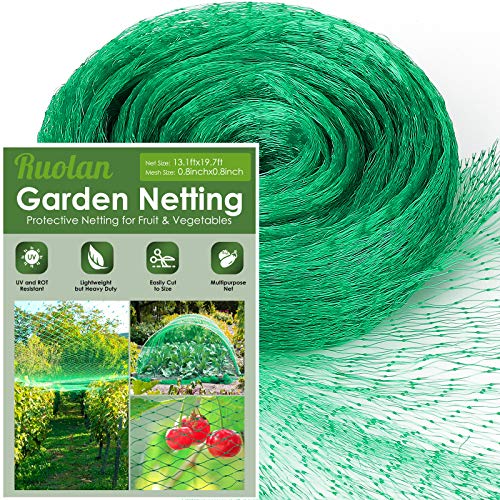
【Perfect size】(Garden Netting size 13ftX20ft, Mesh Size 0.8inchX0.8inch), Protect fruit tree plant blueberry strawberry from animals

【Quality Material】Made of sturdy fabric and PE material, the bird barrier netting mesh is lightweight and durable, providing a good growth condition for the plants with its tightness feature.

SAFE FOR WILDLIFE:Poorok Bird netting will protect your plants and provide a strong barrier against harmful visitors. It will not harm birds & other animals and will not interfere with the growth of plants. Using bird netting is the best way to protect crops without harming birds
Timing And Installation
Install protective measures before fruit ripening occurs. For netting, set it up 1-2 weeks before your fruit begins to change color. This timing helps create a barrier when birds look for food. Secure the netting tightly to prevent birds from getting stuck inside. For smaller trees, use protective covers or cloches early in the season to provide immediate protection.
Maintenance Tips
Regular maintenance of deterrent measures enhances their effectiveness. Check netting for tears or holes each week, repairing them promptly to keep it intact. Clean reflective objects and scarecrows periodically to maintain their effectiveness. Change their location every few weeks, as birds adapt quickly to permanent fixtures. Additionally, tilt noise-making devices to create varied sounds that will disturb birds more effectively.
Conclusion
Protecting your fruit trees from birds doesn’t have to be a daunting task. With the right strategies in place you can enjoy a bountiful harvest without the worry of losing your hard-earned fruits.
By recognizing bird patterns and implementing effective deterrents you can create an environment that keeps these feathered friends at bay. Whether it’s using netting or scare tactics each method helps ensure your fruit stays safe and sound.
Remember to stay vigilant and maintain your protective measures throughout the season. With a little effort you’ll be able to savor the fruits of your labor without sharing too much with the birds. Happy gardening!
Frequently Asked Questions
Why do birds eat my ripe fruit?
Birds are attracted to ripe fruit because it’s an easy food source, especially when they need to feed their young. The sweetness and abundance of ripe fruits make them irresistible to various bird species during the growing season.
Which bird species commonly damage fruit trees?
Common bird species that damage fruit trees include sparrows, starlings, crows, robins, and blue jays. Recognizing these birds helps gardeners implement effective protection strategies.
How can I protect my fruit trees from birds?
To protect your fruit trees, consider using bird netting, protective covers for individual fruits, and scare tactics like reflective objects or noise-making devices. Natural deterrents such as strong-scented herbs can also help keep birds away.
When should I install bird protection measures?
It’s best to install protective measures 1-2 weeks before the fruit ripens. This timing allows you to safeguard your harvest before birds start foraging, ensuring minimal loss.
How do I maintain bird deterrent measures?
Regular maintenance is crucial for effective bird deterrence. Check netting for tears, clean reflective objects, and occasionally change the location of scare tactics to keep them effective at deterring birds.
What are the signs of bird damage on fruit trees?
Signs of bird damage include missing fruits, peck marks on the fruit, and droppings near the tree. If you notice these, it’s crucial to implement protection measures promptly to save your harvest.
