

Have you ever looked out your window only to see squirrels raiding your fruit trees? You’re not alone. Many gardeners face the frustration of these furry bandits munching on their hard-earned harvest. It can feel like an uphill battle when all you want is to enjoy your fresh fruits without sharing them with the local wildlife.
In this article, you’ll discover practical tips and tricks to keep those pesky squirrels at bay. From simple deterrents to clever strategies, you’ll find solutions that work for your garden. With a little effort, you can protect your fruit trees and enjoy the fruits of your labor all season long.
Key Takeaways
- Understand Squirrel Behavior: Recognizing that squirrels are attracted to the scents, colors, and shelter provided by fruit trees is crucial in devising effective deterrent strategies.
- Implement Physical Barriers: Utilize tree wraps, netting, and fencing to create physical obstacles that prevent squirrels from accessing your fruit trees.
- Diversion Techniques: Set up bait stations with squirrel-friendly food away from your trees to divert their attention and reduce their visits.
- Natural Deterrents: Incorporate strong scents like cayenne pepper, vinegar, and essential oils, as well as companion plantings such as marigolds and mint to repel squirrels naturally.
- Consider Motion-Activated Devices: Use motion-activated sprinklers or noise-makers to startle and scare away squirrels, keeping them at a distance from your fruit.
- Regular Monitoring and Adjustments: Consistently check your fruit trees for squirrel activity and adjust your prevention tactics as needed for ongoing protection.
Understanding Squirrel Behavior
Squirrels often target fruit trees, drawn by the scents and colors of ripe fruit. Understanding their behavior helps you implement effective deterrents.
The Attraction to Fruit Trees
Squirrels find fruit trees appealing for several reasons. They’re attracted to the sweet aroma of ripe fruits, which signals a food source. The vibrant colors of fruit catch their eyes, making trees hard to resist. Additionally, trees provide squirrels with shelter and vantage points to spot predators. To minimize attraction, you might consider selecting less appealing fruit varieties or maintaining a clean area beneath the trees to reduce fallen fruit.
Common Squirrel Species
Different squirrel species exhibit unique behaviors. Here are a few common ones:
- Eastern Gray Squirrel: This adaptable species frequents urban and suburban areas. They’re known for their energetic movements and can raid trees efficiently.
- Fox Squirrel: Larger than other species, fox squirrels are often seen in open areas. They tend to be more cautious and may avoid heavily trafficked gardens.
- Red Squirrel: Smaller and more aggressive, red squirrels often dominate smaller trees. Their territorial nature makes them frequent raiders of fruit.
Recognizing these species can guide your strategies for protection. Implementing deterrents that factor in their behaviors and preferences often prove successful.
Effective Prevention Methods
Implementing effective prevention methods can significantly reduce squirrel visits to your fruit trees. Here are some practical strategies:
Recommended Products

✅【Premium Heavy-Duty Material for Long-Lasting Protection】 VITI Fruit Trees Netting Crafted from reinforced polyethylene with UV-resistant coating, this netting is designed to withstand harsh weather conditions, including sun exposure, rain, and wind, without tearing or degrading over time. Unlike flimsy alternatives, its tear-resistant structure ensures multi-season use, saving you replacement costs.

Bird Netting: The size of the anti-bird net is 13*33ft,and the mesh size is 0.8 inches, which can fully ensure the passage of sunlight and rain. While protecting plants from various animals, it ensures that plants can grow normally
Physical Barriers
- Tree Wraps: Install tree wraps around the trunk. Use materials like burlap or hardware cloth. Ensure they cover a height of at least 4 feet from the ground. This can prevent squirrels from climbing.
- Netting: Cover your fruit trees with bird netting. Choose a strong material with small holes, ideally less than 1 inch. Secure the edges to the ground to prevent squirrels from getting underneath.
- Fencing: Build a fence around your garden area. Use tall fencing (at least 5-6 feet) with an outward overhang. This design makes it difficult for squirrels to jump in.
- Bait Stations: Set up bait stations with squirrel feeders placed away from the tree. Fill these with squirrel-friendly food. This can divert their attention from the fruit.
- Noise Makers: Use noise makers throughout your garden. Try hanging metallic objects, like old CDs or aluminum foil. Movement and sound can scare squirrels away.
- Scents: Employ strong scents that squirrels dislike. Use predator urine or essential oils like peppermint. Apply them around your trees as a natural repellent. Reapply regularly, especially after rain.
- Companion Planting: Plant herbs and flowers like marigolds or coriander around your trees. These plants can deter squirrels due to their scent.
- Motion-Activated Devices: Install motion-activated sprinklers or noise devices. These can startle squirrels when they approach, creating an unwelcoming environment.
- Regular Checks: Regularly monitor your fruit trees. Early detection of squirrel activity allows you to implement measures promptly and adjust strategies as needed.
Recommended Products
To effectively deter squirrels from your fruit trees, consider using specific products designed for this purpose.
Recommended Products

HANGING BIRD FEEDER: This bird feeder is great for your yard

Our largest-capacity model, the Squirrel Buster Plus squirrel-proof bird feeder is also our most popular. Measuring 28" tall from base to hanger, the Squirrel Buster Plus holds a whopping 5.1 lbs of birdseed and features our patented Cardinal Ring System.

Double Squirrel Proof - Weight-activated mechanism shuts feeding ports when squirrels step on. Patented spring design makes it hard for squirrels to hold on.
Squirrel-Proof Feeders
Squirrel-proof feeders divert squirrels away from fruit trees. These feeders feature mechanisms that close access when a squirrel climbs aboard. Use the ones designed with weight-sensitive perches. They allow birds but keep squirrels at bay. Look for feeders made of durable materials to withstand outdoor conditions. For best results, place feeders far from fruit trees to create a distraction. Some popular options include:
- Brome Squirrel Buster Plus: This feeder features a unique closing mechanism that blocks access to squirrels while allowing birds to feed.
- Perky-Pet Squirrel-Be-Gone Feeder: It uses a spring-loaded design to guard food from pesky squirrels.
Motion-Activated Sprinklers
Motion-activated sprinklers effectively startle squirrels. These devices detect movement and release a burst of water to scare them away. They provide a non-lethal approach to keeping squirrels distance. Install these sprinklers near your fruit trees for maximum coverage. Some top products are:
- Orbit Motion-Activated Sprinkler: This sprinkler has a wide detection range, ensuring squirrels are startled even from a distance.
- Scarecrow Motion Activated Sprinkler: It features an adjustable spray distance and can be easily set up in any garden.
Incorporating these products into your squirrel management plan can significantly reduce their visits to your fruit trees.
Natural Deterrents
Natural deterrents provide effective alternatives to chemicals and traps for keeping squirrels away from your fruit trees. These methods are often simple and safe for the environment, ensuring your garden remains a healthy space.
Recommended Products
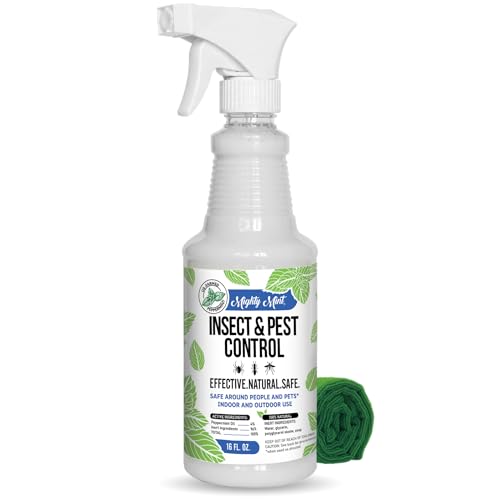
Pet-Friendly & Family-Safe Formula – Mighty Mint is a top pick for pet parents looking for a natural pest control solution. Safe to use around dogs, cats, and kids when applied as directed—no harsh fumes or dangerous chemicals, just powerful peppermint protection you can trust.

Pet-Friendly & Family-Safe Formula – Mighty Mint is a top pick for pet parents looking for a natural pest control solution. Safe to use around dogs, cats, and kids when applied as directed—no harsh fumes or dangerous chemicals, just powerful peppermint protection you can trust.
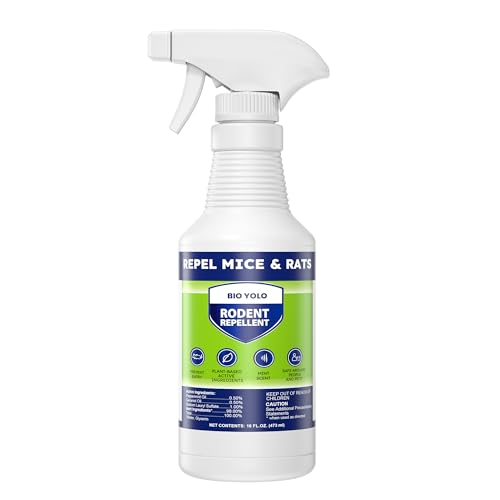
Safe for People and Pets: Formulated with natural ingredients for use around children and pets when used as directed, providing a solution without harsh chemicals
Planting Companion Plants
Planting certain companion plants can help deter squirrels from fruit trees. Consider these options:
- Marigolds: Their strong scent masks the smell of fruit and repels various pests.
- Lavender: Its fragrant aroma can deter squirrels along with other wildlife.
- Rosemary: Beyond its culinary uses, this herb’s scent may keep squirrels at bay.
- Mint: The strong fragrance can confuse squirrels’ sense of smell.
Create a border of these plants around your fruit trees. This not only helps protect your harvest but also enhances your garden’s beauty.
Using Scents to Repel Squirrels
Utilizing strong scents can effectively repel squirrels. Here are some suggested scents you can use:
- Cayenne Pepper: Mix water with cayenne pepper to create a spray. Apply it to tree trunks and branches to deter squirrels.
- Vinegar: Soak cotton balls in vinegar and place them around the base of trees. The potent smell can help keep squirrels away.
- Essential Oils: Use oils such as peppermint or citrus as a deterrent. Dilute in water and spray near fruit trees for a repelling effect.
Reapply these scent-based deterrents regularly, especially after rain, to maintain their effectiveness. These natural solutions can safeguard your fruit trees while remaining eco-friendly.
Conclusion
Keeping squirrels away from your fruit trees doesn’t have to be a daunting task. With a mix of understanding their behavior and implementing some clever strategies, you can protect your precious harvest.
Try out different deterrents and see what works best for your garden. Remember that a clean area and less appealing fruit varieties can go a long way in minimizing attraction.
By combining physical barriers with natural deterrents and monitoring your trees regularly, you’ll be well on your way to enjoying a bountiful harvest without those pesky visitors. Happy gardening!
Frequently Asked Questions
How do I stop squirrels from raiding my fruit trees?
To deter squirrels, consider installing physical barriers like tree wraps and netting. Additionally, using motion-activated devices and strong scents, such as cayenne pepper, can help keep them away. Regular monitoring of your trees also allows for timely action.
What types of fruit trees attract squirrels the most?
Squirrels are drawn to fruit trees with ripe, sweet fruits, such as apples, peaches, and cherries. They are also attracted to vibrant colors that signal ripeness. Choosing less appealing fruit varieties can minimize their visits.
What are some natural alternatives to chemicals for deterring squirrels?
Natural deterrents include planting companion plants like marigolds and lavender, which can mask the scent of fruits. Strong scents, such as vinegar and essential oils, can also repel squirrels when reapplied regularly.
Which squirrel species are common in gardens?
Common squirrel species include the Eastern Gray Squirrel, Fox Squirrel, and Red Squirrel. Each species has unique behaviors that may affect how they approach fruit trees, informing your best management strategies.
What products can help protect fruit trees from squirrels?
Squirrel-proof feeders, like the Brome Squirrel Buster Plus, can divert squirrels. Motion-activated sprinklers, such as the Orbit Motion-Activated Sprinkler, also startle them. Incorporating these into your defense strategy can effectively protect your harvest.
How can I clean the area under my fruit trees to deter squirrels?
Maintain a clean space by regularly picking fallen fruit and debris. Keeping the ground tidy reduces food sources that attract squirrels, making your fruit trees less appealing to them.
