

Are pesky insects ruining your fruit trees? You’re not alone. Many gardeners face the frustrating battle against unwanted pests that threaten their precious harvest. Whether it’s aphids munching on leaves or caterpillars devouring your fruit, these intruders can quickly turn your garden dreams into a nightmare.
Key Takeaways
- Identify Common Pests: Recognize key insects affecting fruit trees, such as aphids, caterpillars, scale insects, spider mites, and Japanese beetles, and their damage signs for effective management.
- Implement Preventive Measures: Choose resistant varieties and maintain proper tree care practices, like regular pruning, mulching, and timely watering, to strengthen tree health against pests.
- Utilize Natural Remedies: Employ eco-friendly solutions like neem oil and insecticidal soap to manage infestations safely while preserving beneficial insects in the garden.
- Consider Chemical Controls: Use pesticides as a last resort, selecting appropriate formulations and following safe application techniques to minimize harm to the environment.
- Practice Consistent Monitoring: Establish a routine for inspecting your fruit trees to catch pest problems early and adapt management strategies based on observed pest populations.
- Encourage Beneficial Insects: Attract natural predators by planting companion plants and providing habitats, fostering a balanced ecosystem that aids in long-term pest control.
Understanding Insect Infestations
Insect infestations pose significant challenges for fruit tree gardeners. Recognizing the types of insects and the signs of their presence helps you take effective action.
Common Insects That Affect Fruit Trees
- Aphids: Small, sap-sucking insects, often found in clusters on new growth or undersides of leaves. They can distort leaves and stunt plant growth.
- Caterpillars: The larvae of moths and butterflies, these pests feed on leaves, creating holes and damage. Look for frass (caterpillar droppings) beneath infested leaves.
- Scale Insects: These pests appear as small, immobile bumps on branches and leaves. They suck plant sap, leading to leaf yellowing and premature dropping.
- Spider Mites: Tiny, spider-like creatures, usually found on the underside of leaves. You might notice tiny webbing and stippling on foliage.
- Japanese Beetles: Distinctive with their metallic green and copper body, they feed on leaves, flowers, and fruit, leaving behind skeletonized foliage.
- Leaf Discoloration: Yellowing or browning leaves may indicate stress caused by insects sucking sap.
- Holes in Leaves: Visible damage often means pests are actively feeding on your plants.
- Sticky Residue: A sugary secretion (honeydew) on leaves is a sign of aphids or scale insects. This attracts ants and can lead to fungal growth.
- Visible Pests: Spotting actual insects on your plants is an immediate sign that action is necessary.
- Presence of Frass: Finding small droppings beneath affected trees indicates caterpillar activity.
Identifying these common insects and their signs helps you implement effective management strategies, ensuring healthier fruit trees and better yields.
Preventive Measures
Taking preventive measures helps protect your fruit trees from insect infestations. Implementing these strategies ensures healthier plants and better yields.
Recommended Products
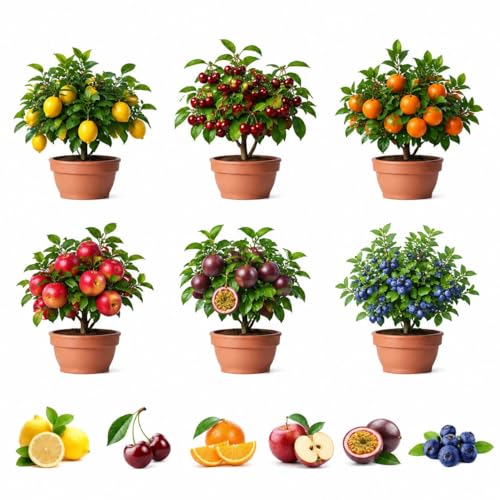
Comprehensive Fruit Variety Pack: This collection features 180 total seeds including 40 Lemon, 40 Orange, 40 Apple, 40 Passion Fruit, 10 Cherry, and 10 Blueberry seeds for a diverse home orchard experience

KILLS LISTED FRUIT & CITRUS TREE INSECTS: Controls Asian Citrus Psyllid, Whiteflies, Aphids Thrips, Citrus Leafminers, Leafhoppers, Blackfly, Mealybugs, Scales, Avocado Lacebugs, Oriental Beetles, Flea Beetles, Sharpshooters, and Spittlebugs

4 kinds of the most popular fruits, individually packaged, 50pcs Lemon seeds 50pcs Cherry seeds 50pcs Orange seeds 50pcs Apple seeds Fresh seeds, all fruit seeds are packed in tear and moisture resistant zipper sealed bags for your long term storage.
Choosing Resistant Varieties
Selecting resistant fruit tree varieties is essential. Opt for types known to withstand pests. For example, consider these options:
- Apple Trees: Choose cultivars like ‘Liberty’ or ‘Enterprise’ for resistance to apple scab and codling moth.
- Peach Trees: Opt for ‘Flamin’ Fury’ varieties that resist peach tree borers.
- Cherry Trees: Look into ‘Bing’ or ‘Rainier’ for natural resistance against aphids.
Research local resources or consult with garden centers to find varieties best suited to your area.
Proper Tree Maintenance
Maintaining your fruit trees keeps them healthy and less attractive to pests. Follow these key practices:
- Regular Pruning: Prune trees annually to improve air circulation and remove damaged branches. Maintain open canopies to help sunlight reach all parts of the tree.
- Mulching: Apply organic mulch around the base. Mulch retains moisture and discourages weeds that can attract pests.
- Watering: Water trees during dry spells, ensuring moisture reaches deep roots. Healthy trees are more resilient against pests.
- Monitoring: Inspect trees regularly for signs of pests. Early detection allows for prompt action.
Combining these preventive measures leads to healthier fruit trees and decreases the chances of serious pest problems.
Natural Remedies
Natural remedies offer effective ways to manage insect infestations on fruit trees. These methods are often safer for the environment and beneficial insects. Below are two popular options you can use.
Neem Oil
Neem oil serves as a powerful, natural insecticide. Derived from the seeds of the neem tree, it’s effective against aphids, spider mites, and whiteflies. To use neem oil, follow these steps:
- Dilute the Oil: Mix 1-2 tablespoons of neem oil with a quart of water. Adding a few drops of liquid soap helps the solution adhere to leaves.
- Apply: Spray the mixture on affected areas of your fruit trees, targeting both the top and bottom of leaves. Early morning or late evening is best to avoid direct sunlight.
- Reapply: Treat your trees every 7-14 days until the pests are under control.
Insecticidal Soap
Insecticidal soap works by suffocating soft-bodied insects like aphids and thrips. It’s an organic option that’s easy to make and apply. Here’s how to use it:
- Prepare the Solution: Mix 2 tablespoons of liquid soap (preferably pure castile soap) with a quart of water.
- Spray: Coat the affected areas of your trees thoroughly, ensuring coverage on both leaf sides. Do this during cooler parts of the day to prevent leaf burn.
- Repeat: Reapply every 5-7 days until the infestation subsides.
Using neem oil and insecticidal soap can effectively reduce insect populations on your fruit trees, helping you maintain a healthy and productive garden.
Chemical Control Options
Chemical control options provide effective solutions for managing insect infestations on fruit trees. When pests overwhelm your natural remedies, pesticides might be the next step to consider.
Recommended Products

Protect your garden with Fruit Tree & Plant Guard Concentrate from Bonide! Fruit Tree & Plant Guard is effective in controlling a wide range of fungal diseases and insects.

TRIPLE PROTECTION FORMULA: 3-in-1 solution kills listed insects, controls listed diseases, and controls listed mites with one easy application

Designed as an insecticide, fungicide and miticide. Protects from insects, diseases and mites.
Pesticides
Pesticides come in various formulations, targeting specific insects disrupting your fruit trees. Choose broad-spectrum pesticides for general pest problems or selective pesticides for particular insects. For instance:
- Pyrethroids: Effective against aphids and caterpillars.
- Neonicotinoids: Target pests like whiteflies and root weevils.
- Organophosphates: Useful for controlling a wide range of insects but require careful handling.
Always check for products labeled specifically for fruit trees and follow instructions for safe application.
Application Techniques
Applying pesticides requires careful techniques to maximize effectiveness while minimizing risks. Use these steps:
- Timing: Apply pesticides in the early morning or late afternoon to reduce the risk of harming beneficial insects.
- Weather Conditions: Avoid applying pesticides during windy or rainy weather. Rain can wash away application, and wind can spread chemicals beyond target areas.
- Equipment: Use proper equipment like a backpack sprayer or hand-held sprayer for even coverage.
- Protective Gear: Wear gloves, goggles, and a mask to protect yourself during application.
- Follow-Up: Monitor your trees for any signs of pests after application. Reapply as directed to maintain pest control.
Always read and follow the instructions on pesticide labels for safe and effective use.
Best Practices for Long-Term Control
Effective long-term control of insect pests on fruit trees relies on consistent monitoring, proper inspections, and encouraging a balanced ecosystem by attracting beneficial insects.
Monitoring and Inspection
Regular monitoring of your fruit trees is crucial for early pest detection. Walk through your garden often and look for signs of infestations like discolored leaves, holes, or sticky residue. Use a magnifying glass for a closer look at smaller pests like spider mites.
Establishing a weekly inspection routine can help you catch problems before they escalate. Record your observations each time you inspect your trees. Note the types of pests you find and how many there are. This data helps you track pest populations over time and evaluate the success of your management strategies.
Attracting Beneficial Insects
Attracting beneficial insects enhances natural pest control on your fruit trees. You can create a welcoming environment by planting companion plants like marigolds, dill, or yarrow. These plants serve as nectar sources, drawing in ladybugs, lacewings, and hoverflies.
You can also provide habitats for these beneficial insects. Leave some areas of your garden undisturbed, or install insect hotels to encourage their presence. Avoiding broad-spectrum insecticides protects these valuable allies. Each action contributes to a balanced ecosystem, reducing pest populations naturally while promoting healthy fruit trees.
Conclusion
Taking care of your fruit trees doesn’t have to be a daunting task. By staying vigilant and recognizing the signs of insect infestations early on, you can protect your trees and enjoy a bountiful harvest. Remember to combine preventive measures with natural remedies to create a healthy environment for your plants.
If you ever find yourself facing a more serious pest problem, don’t hesitate to explore chemical options that are safe for fruit trees. With consistent monitoring and a little patience, you’ll foster a thriving ecosystem that keeps your trees healthy and resilient. Here’s to a fruitful gardening experience filled with delicious homegrown fruits!
Frequently Asked Questions
What are the common pests that affect fruit trees?
Common pests that affect fruit trees include aphids, caterpillars, scale insects, spider mites, and Japanese beetles. These pests can cause significant damage, such as leaf discoloration, holes in leaves, and sticky residue, impacting the health of your trees.
How can I identify an insect infestation on my fruit trees?
Signs of insect infestation include discoloration of leaves, visible pests, the presence of frass (insect droppings), and sticky residue on branches or leaves. Regular monitoring can help catch infestations early and mitigate damage.
What preventive measures can I take to protect fruit trees from pests?
To protect your fruit trees, choose resistant varieties, maintain proper tree care practices like regular pruning and watering, and monitor for pests frequently. This helps keep your trees healthy and less appealing to pests.
Are there natural remedies for managing insect infestations?
Yes, natural remedies include neem oil and insecticidal soap. Neem oil targets pests such as aphids and spider mites, while insecticidal soap suffocates soft-bodied insects. Both are safe for the environment and beneficial insects, making them effective options.
What chemical control options are available for pest management?
Chemical options include pyrethroids, neonicotinoids, and organophosphates. It’s crucial to choose products specifically labeled for fruit trees and to follow safety guidelines during application to minimize risks to yourself and the environment.
How can I ensure long-term control of insect pests on fruit trees?
Long-term control involves consistent monitoring and inspections for early detection of pests. Additionally, fostering a balanced ecosystem by attracting beneficial insects through companion planting can enhance natural pest control methods. Avoid broad-spectrum insecticides to protect these helpful allies.
