

Have you ever woken up to find frost coating your beautiful fruit trees? It can be a heart-wrenching sight, especially when you’ve put so much effort into nurturing them. Protecting your trees from frost isn’t just about saving your harvest; it’s about ensuring they thrive year after year.
Key Takeaways
- Understand Frost Types: Recognize radiation, advection, and ground frost to implement protective measures effectively.
- Impact Awareness: Frost can damage buds, leaves, and fruit development, weakening trees and reducing yield.
- Proactive Preparation: Prune trees to enhance air circulation and manage soil health for better frost resilience.
- Protective Methods: Use covers, blankets, and windbreaks to shield trees from frost and regulate temperature.
- Monitor Weather: Utilize weather apps, local forecasts, and thermometers for timely awareness and response to frost conditions.
- Timely Action: Prepare for frost in the evenings and remove protective covers during the day for optimal sunlight exposure.
Understanding Frost and Its Impact on Fruit Trees
Frost can pose significant challenges for your fruit trees. Recognizing and understanding frost types and their effects helps you take proactive measures to protect your trees.
Types of Frost
- Radiation Frost: This occurs on clear, calm nights when heat escapes from the ground. It’s most common in late spring and early fall, often impacting blossoms and new growth.
- Advection Frost: Caused by the movement of cold air masses, this type usually affects plants during winter. It can lead to severe damage since it lasts longer than radiation frost.
- Ground Frost: Ground frost forms when temperatures drop near the ground level, usually in the early morning. While it mainly affects low-lying areas, it may still harm young trees.
- Flower Damage: Frost can kill or damage buds and flowers, reducing fruit yield. For example, apple blossoms often suffer when frost hits during late spring.
- Leaf Injury: Cold temperatures may lead to blackened, shriveled leaves, hindering photosynthesis. Affected trees may struggle to recover.
- Fruit Development: Frost during fruit development can affect size and sweetness. Apples, peaches, and citrus may produce fewer, smaller fruits.
- Tree Vitality: Prolonged exposure to frost can weaken trees, making them more susceptible to pests and diseases. Healthy trees may recover, but stressed ones struggle.
Understanding these types of frost and their impacts allows you to act wisely and safeguard your fruit trees effectively.
Preparing Your Fruit Trees for Frost
Preparing your fruit trees for frost involves proactive measures to enhance their resilience. By implementing specific techniques, you can protect your trees and their future yield.
Pruning Techniques
Pruning your fruit trees before frost can help improve air circulation and reduce frost damage. Focus on the following steps:
- Identify Dead or Diseased Branches – Remove any unhealthy growth. This reduces stress on the tree.
- Thin Out Crowded Areas – Cut back branches that overlap. Thinning helps air flow, lowering humidity around the buds.
- Shape the Canopy – Maintain an open structure. This way, sunlight reaches more branches, promoting better recovery.
- Time It Right – Perform pruning during late winter or early spring. This timing minimizes exposure to late frosts while encouraging new growth once temperatures rise.
Soil Management
Soil management plays a crucial role in protecting fruit trees against frost. Implement these strategies:
- Test Soil pH – Aim for a pH between 6.0 and 6.8. Healthy soil promotes strong tree growth and better resistance.
- Add Organic Matter – Incorporating compost improves soil structure and moisture retention. This helps trees stabilize during temperature fluctuations.
- Mulch Around Trees – Use a layer of mulch several inches thick. Mulch helps insulate the roots, keeping them warm during frosty nights.
- Water Adequately – Ensure your trees receive enough water before a frost. Well-hydrated trees handle cold temperatures more effectively.
By utilizing proper pruning techniques and managing soil health, you can significantly reduce frost damage to your fruit trees, safeguarding their longevity and yield.
Protective Measures Against Frost
Protecting your fruit trees from frost involves several effective strategies. Implementing these measures can safeguard your trees and ensure a healthier yield.
Using Covers and Blankets
Covers and blankets provide immediate protection against frost. Here’s how to use them effectively:
- Choose the Right Material: Use burlap, frost cloth, or even old bedsheets. These materials trap heat without causing damage.
- Cover at Night: Place covers on trees in the evening before frost is expected. Ensure the cover reaches the ground for maximum insulation.
- Remove During the Day: Uncover trees each morning once the sun rises to prevent overheating and moisture buildup.
- Secure the Covers: Weigh down the edges or use stakes to keep covers in place on windy nights.
By following these steps, you reduce the risk of frost damage significantly.
Implementing Windbreaks
Windbreaks act as barriers against icy winds, helping to warm your fruit trees. Incorporate these tips to create effective wind protection:
- Plant Vegetation: Use fast-growing trees or shrubs as windbreaks. Ideal options include evergreens, which remain effective year-round.
- Build Fences: Construct solid fences in strategic locations to shield your trees. Ensure the structure is tall enough to deflect chilly gusts.
- Position Wisely: Plant windbreaks on the north and northwest sides of your orchard, as these directions typically face the prevailing winds.
- Maintain Windbreaks: Keep vegetation healthy and trimmed to ensure optimal performance and prevent disease spread.
Implementing these strategies can significantly enhance the resilience of your fruit trees against frost damage.
Monitoring Weather Conditions
Monitoring weather conditions helps you protect your fruit trees from frost effectively. Staying informed about upcoming frost events allows you to take timely action and safeguard your trees.
Recommended Products

Extra Thick Tree and Plant Covers for Winter: Scrubits Frost Blankets for outdoor plants and Trees will ensure that your Trees and large plants not only survive the winter but thrive and grow to blossom. With its extra thick fabric and long-lasting material, you can be confident about next year's harvest.

ALL-SEASON PLANT PROTECTION - Safeguard your plants through the harsh winters with our breathable Plant Frost Cover, designed to shield against frost, freezing temperatures, snow, and harsh winds. Extend your growing season into the colder months while ensuring your plants thrive year-round.
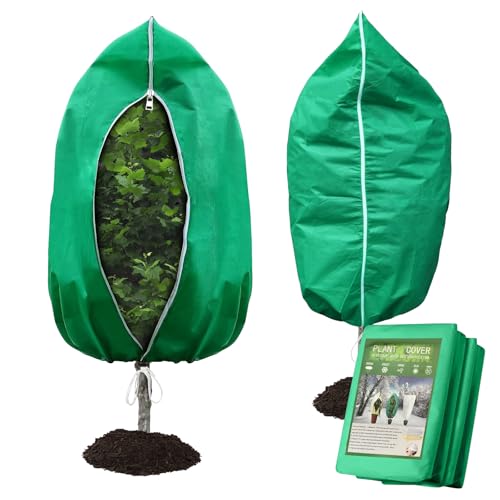
🌬️ Ultimate Cold Weather Protection:Crafted from thick 2.8oz/yd² non-woven fabric, our HEKIWAY plant freeze covers shield your trees and plants from frost, snow, wind, and ice. A reliable barrier for harsh winters, ensuring your greenery survives and thrives
Tools for Frost Prediction
- Weather Apps: Use reliable weather apps for real-time updates. Popular options include Weather.com, AccuWeather, and NOAA Weather Radar.
- Local Forecasts: Check local news channels for detailed forecasts. They often provide alerts specific to your area.
- Thermometers: Place thermometers near your trees. This gives you immediate temperature readings so you can react quickly.
- Frost Alerts: Sign up for frost alert services via text or email. These notify you when temperatures drop close to frost level.
- Nighttime Preparations: Start protecting your trees in the evening when temperatures begin to drop. This ensures you cover them before frost sets in.
- Monitoring Low Temperatures: Keep a close watch on forecasts for predicted nighttime lows. Protect your trees whenever the temperature is forecasted to drop below 32°F (0°C).
- Daytime Removal: Remove covers during the day for sunlight exposure. This promotes healthy growth and prevents damage from heat buildup.
- Check Conditions Regularly: Check the weather daily, especially in late winter and early spring. Sudden cold snaps can occur unexpectedly.
By using these tools and strategies, you can respond efficiently to weather changes and protect your fruit trees from frost damage effectively.
Conclusion
Protecting your fruit trees from frost is a labor of love that pays off in the long run. By understanding the types of frost and their effects you can take steps to shield your trees effectively. Implementing proactive measures like proper pruning and soil management not only boosts resilience but also enhances overall health.
Stay vigilant with weather updates and be ready to act when frost threatens. Whether it’s using covers or planting windbreaks you’ve got the tools to safeguard your trees. With a little effort and attention your fruit trees can thrive despite the chill and reward you with bountiful harvests for years to come.
Frequently Asked Questions
What is the impact of frost on fruit trees?
Frost can severely damage fruit trees by injuring buds, leaves, and flowers. It can hinder fruit development and weaken the overall health of the tree. Understanding the types of frost—radiation, advection, and ground frost—helps in taking preventive measures to mitigate damage and ensure the tree’s longevity.
How can I protect my fruit trees from frost?
To protect fruit trees from frost, implement strategies like covering them with blankets or frost covers at night, planting windbreaks, and managing soil health. Pruning effectively and monitoring weather conditions can also enhance their resilience against cold temperatures.
What are practical strategies for preparing fruit trees for frost?
Consider pruning to remove dead branches and shape the canopy, which helps improve sunlight exposure. Managing soil by testing pH, adding organic matter, and mulching is essential. Proper watering before cold nights is crucial in enhancing the tree’s ability to withstand frost.
How do different types of frost affect fruit trees?
Radiation frost occurs under clear skies at night, while advection frost is caused by warm air moving over cold surfaces. Ground frost affects only the surface, while all types can damage buds and flowers. Knowing these differences helps in taking specific actions to protect trees.
What should I monitor to protect my fruit trees?
Stay informed about weather conditions using reliable weather apps and local forecasts. Monitoring low temperatures with thermometers and subscribing to frost alert services can help you prepare in advance, ensuring your fruit trees are safeguarded from potential frost damage.
