

Have you ever dreamed of picking fresh nectarines right from your own backyard? If you’re thinking about planting a nectarine tree, you’re probably eager to know when you can expect those juicy fruits to appear.
Growing your own fruit can be incredibly rewarding, but patience is key. In this article, you’ll learn how long it typically takes for a nectarine tree to bear fruit and what factors can influence that timeline. Whether you’re a seasoned gardener or a beginner, understanding this process will help you plan and care for your tree effectively, ensuring a bountiful harvest in the future.
Key Takeaways
- Timeframe for Fruit Production: Nectarine trees typically begin to bear fruit within 2 to 4 years after planting, depending on the cultivar and growing conditions.
- Optimal Planting Conditions: Ensure that the trees receive full sunlight for at least 6 to 8 hours daily, are planted in well-draining soil with a pH of 6.0 to 6.8, and are adequately watered.
- Pruning Importance: Regular pruning in late winter to early spring enhances air circulation and light exposure, leading to better fruit quality and increased yield.
- Impact of Climate: Temperate climates with sufficient winter chill hours (32°F to 45°F) are essential for effective fruit development; inadequate chilling can delay production.
- Watering and Fertilization: Weekly watering during dry spells and early spring fertilization with a potassium-rich fertilizer are crucial for promoting healthy growth and optimizing fruit production.
- Pest and Disease Management: Regular inspections for pests and diseases, along with proper treatment methods, are vital for maintaining tree health and ensuring a fruitful harvest.
Overview of Nectarine Trees
Nectarine trees are popular fruit-bearing trees known for their delicious, smooth-skinned fruits. They thrive in specific conditions and require attention to detail for optimal growth and fruit production.
Characteristics of Nectarine Trees
- Size: Nectarine trees typically reach heights of 10 to 15 feet, depending on the variety and growing conditions.
- Leaves: The leaves feature a narrow, lanceolate shape with a glossy green color. They provide energy for fruit development through photosynthesis.
- Flowers: Pink or white flowers bloom in early spring, signaling the start of the growing season. A healthy tree produces abundant blossoms.
- Fruit: Nectarines are similar to peaches but have smooth skin. Fruits vary in size, color, and sweetness, generally maturing in late summer.
- Sunlight: Choose a location that receives full sunlight for at least 6 to 8 hours daily. Sunlight promotes healthy growth and fruitful harvests.
- Soil: Well-draining soil with a pH of 6.0 to 6.8 is optimal. Sandy loam enriches nutrient absorption and root development.
- Watering: Regular watering is vital, especially during dry spells. Aim for 1 to 2 inches of water weekly to keep the soil consistently moist but not soggy.
- Climate: Nectarine trees flourish in temperate climates with chilled hours between 32°F to 45°F during winter. This chill period is crucial for fruit development.
Timeframe for Bearing Fruit
Nectarine trees typically start bearing fruit within a specific timeframe. Understanding this timeline helps in anticipating the joy of harvest and caring for your tree effectively.
Factors Affecting Time to Fruit Production
Several factors influence how soon your nectarine tree bears fruit.
- Tree age: Most nectarine cultivars produce fruit within 2 to 4 years after planting.
- Growing conditions: Full sunlight, well-draining soil, and proper watering can accelerate fruiting. Ensure the soil’s pH level is between 6.0 and 6.8 for optimal growth.
- Climate: Temperate climates with a chilling period during winter are ideal. Insufficient winter chill can delay fruit production.
- Variety: Some varieties mature faster than others. For example, early-ripening types may produce fruit within 2 years, while some clingstone varieties may take longer.
Typical Growth Timeline
Here’s a general timeline for nectarine tree fruiting:
| Year | Growth Stage | Notes |
|---|---|---|
| 1 | Establishment phase | Focus on root development and structure. |
| 2 | Flowering potential | Some varieties may begin to produce fruit. |
| 3 | Initial fruit production | Expect a small harvest; tree matures. |
| 4 | Full fruit production | Enjoy a more substantial yield. |
Assessing these stages helps in planning care routines, from pruning in early spring to managing water and nutrients throughout the year. With patience and proper care, fruitful years lie ahead.
Care and Maintenance for Healthy Growth
Keeping your nectarine tree healthy requires proper care and maintenance. Several key practices ensure robust growth and fruitful yields.
Recommended Products

PROFESSIONAL GARDENING GRAFTING TOOLS: Including 2 in 1 grafting pruning tools, 3 replaceable blades, a grafting knife, a screwdriver, a wrench, 2 grafting films, 160 rubber bands, 40 wide rubber bands, and 50 colorful tag cards

Heat-Treated Serrated Saw Blade: 8" saw blade designed for efficient cutting of branches and tough materials, ensuring sharpness and durability.

Importance of Pruning
Pruning plays a crucial role in the health and productivity of your nectarine tree. Proper pruning maximizes air circulation and light exposure, encouraging strong branch development.
- Timing: Prune during late winter to early spring before new growth begins.
- Method: Remove dead or crossing branches to promote a solid framework.
- Goal: Aim for an open center, allowing sunlight to reach all parts of the tree.
Regular pruning increases fruit quality and size, making your nectarine tree more productive.
Watering and Fertilization Tips
Watering and fertilization significantly impact your tree’s growth and fruit production.
- Watering Frequency: Water your tree weekly during dry periods, ensuring the soil remains moist but not waterlogged.
- Watering Depth: Apply water deeply to encourage deep root growth, typically 12 to 18 inches below the surface.
- Fertilization Schedule: Fertilize in early spring with a balanced fertilizer.
- Type of Fertilizer: Use a fertilizer high in potassium, as this aids in fruit development.
Monitoring your tree’s health and adjusting watering and fertilization practices will support vigorous growth and enhance fruit-bearing potential.
Common Challenges in Growing Nectarine Trees
Growing nectarine trees comes with unique challenges that can affect their health and productivity. Understanding these challenges helps you take the right steps for a fruitful harvest.
Recommended Products
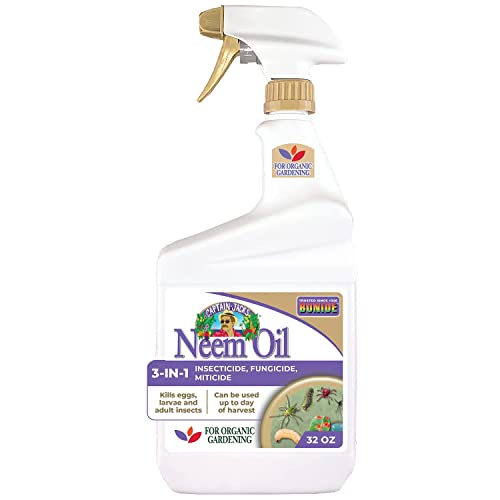
Protect your oasis with 3 garden products in 1 from Captain Jack’s; Bonide Captain Jack’s Ready-to-Use Neem Oil spray for plants is a multi-purpose fungicide, insecticide and miticide for your lawn & garden

PLANT DISEASE CONTROL: Natria Neem Oil acts as an insecticide and fungicide in one convenient spray; Ready-to-use trigger sprayer requires no mixing

FUNGAL DISEASE CONTROL: Prevents and controls black spot on roses, powdery mildew, rust, downy mildew, and other listed fungal diseases when applied on a 7–14 day schedule
Pest and Disease Management
Pests and diseases pose significant threats to your nectarine tree. Common pests include aphids, peach tree borers, and spider mites. Regular inspections help you spot these pests early. Use organic insecticidal soap or neem oil to manage infestations effectively.
Diseases such as brown rot and powdery mildew can also hinder growth. Ensure good air circulation by pruning dense branches. Applying fungicides at the first sign of disease is crucial. Maintain a clean garden space to minimize the spread of pathogens.
Environmental Stressors
Environmental stressors impact the growth and fruiting of nectarine trees. Extreme temperatures can hinder development. Ensure your tree receives adequate hydration during dry spells. Mulching around the base helps retain moisture and regulate soil temperature.
Sunlight is essential. Your tree needs at least six hours of direct sunlight daily. If you live in a cooler climate, select a variety suited for your region to maximize chill hours during winter. In contrast, excessive heat can also stress the tree. Provide shade in extreme heat by using lightweight shade cloth.
Wind can damage fruit and branches. Plant windbreaks or shrubs around your tree to shield it from harsh winds. Proper planting and care reduce these environmental challenges, leading to healthier, more vibrant nectarine trees.
Conclusion
Growing a nectarine tree can be a delightful journey filled with anticipation. With a little patience and care you’ll soon be rewarded with juicy fruit that’s perfect for snacking or baking. Remember to keep an eye on the tree’s needs and address any challenges that come your way.
As you nurture your tree through its early years you’ll not only enjoy the process but also create a beautiful addition to your garden. Before you know it your efforts will pay off with a bountiful harvest that you can savor and share. Happy gardening!
Frequently Asked Questions
How long does it take for a nectarine tree to bear fruit?
Nectarine trees typically start producing fruit within 2 to 4 years after planting. Factors such as the age of the tree, growing conditions, and the specific variety can influence this timeline.
What are the ideal growing conditions for nectarine trees?
Nectarine trees thrive in full sunlight, well-draining soil with a specific pH, and a temperate climate that includes a necessary chill period during winter for optimal fruit development.
What maintenance do nectarine trees require?
Essential maintenance includes regular watering, annual pruning for air circulation and light exposure, and the application of a balanced fertilizer high in potassium to support fruit growth.
How can I manage pests and diseases on my nectarine tree?
Regular inspections are key to spotting pests like aphids. Use organic insecticidal soap or neem oil for control. For diseases like brown rot, ensure good air circulation and apply fungicides at the first sign of issues.
What environmental factors affect nectarine tree growth?
Extreme temperatures, inadequate sunlight, and strong winds can hinder growth and fruiting. Providing adequate hydration during dry spells and using mulch can help mitigate these stressors.
