Close Menu
    Fruit Tree Hub
    • Home
    • Apple Trees
    • Lemon Trees
    • Mango Trees
    • Orange Trees
    • More Trees
      • Best Fruit Trees
      • Apricot Trees
      • Cherry Trees
      • Fig Trees
      • Lime Trees
      • Mulberry Trees
      • Peach Trees
      • Pear Trees
      • Plum Trees
      • Pomegranate Trees
    • Tips and Advice
      • Tools
    • About Us
      • Contact
      • Privacy Policy
    Fruit Tree Hub
    Home»Tips and Advice»How Long Before Pomegranate Tree Bears Fruit: Key Factors to Ensure a Bountiful Harvest
    Tips and Advice

    How Long Before Pomegranate Tree Bears Fruit: Key Factors to Ensure a Bountiful Harvest

    Martha JacksonBy Martha JacksonDecember 8, 20246 Mins Read
    Share Facebook Twitter Pinterest WhatsApp Email
    Share
    Facebook Twitter LinkedIn Pinterest Telegram Email

    Are you dreaming of a bountiful pomegranate harvest? If you’ve planted a pomegranate tree, you might be eagerly waiting to see those vibrant fruits appear. But how long will you need to wait before your tree starts rewarding you with delicious, juicy pomegranates?

    Contents show
    1 Key Takeaways
    2 Understanding Pomegranate Trees
    2.1 Characteristics of Pomegranate Trees
    2.2 Growing Conditions for Pomegranates
    3 Factors Affecting Fruit Bearing
    3.1 Age of the Tree
    3.2 Varietal Differences
    4 Timeline for Fruit Bearing
    4.1 First Flowers and Fruit Development
    4.2 Average Timeframes for Different Varieties
    5 Caring for Pomegranate Trees
    5.1 Soil and Water Requirements
    5.2 Pruning and Maintenance Tips
    6 Conclusion
    7 Frequently Asked Questions
    7.1 How long does it take for a pomegranate tree to bear fruit?
    7.2 What factors influence when a pomegranate tree will produce fruit?
    7.3 What growing conditions do pomegranate trees prefer?
    7.4 How can I encourage my pomegranate tree to bear fruit earlier?
    7.5 What type of soil is best for pomegranate trees?

    Key Takeaways

    • Pomegranate trees typically start bearing fruit within 3 to 4 years after planting, depending on the variety and growing conditions.
    • Optimal growth requires full sunlight, well-drained soil with a pH of 5.5 to 7.0, and consistent moisture during flowering and fruiting.
    • Younger trees may not produce fruit at all, while pruning can encourage earlier production by promoting healthy growth.
    • Varietal differences affect fruiting time; for example, the ‘Wonderful’ variety yields fruit in 3 to 4 years, while ‘Angel Red’ takes 4 to 5 years.
    • Proper care involves regular watering, annual pruning, and using a balanced fertilizer to ensure healthy tree growth and fruit production.
    • Watch for pests like aphids and spider mites, and manage them promptly to maintain the health of your pomegranate tree.
    MUST READ
    Best Fruit Trees For Beginners

    Understanding Pomegranate Trees

    Pomegranate trees are fascinating and rewarding additions to any garden. Knowing their characteristics and growing conditions helps you nurture them effectively.

    Characteristics of Pomegranate Trees

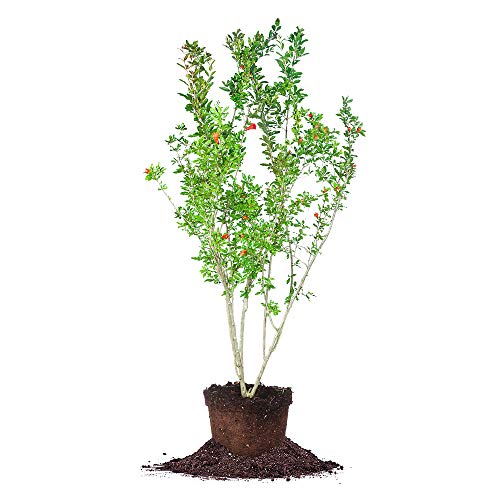
    Pomegranate trees, scientifically known as Punica granatum, are typically small to medium-sized. They can reach heights of 5 to 10 feet, with some varieties growing taller. The tree features glossy green leaves and colorful flowers that attract pollinators. Fruit develops from these flowers, growing to about 5 to 7 inches in diameter. The skin turns from green to a vivid red as it ripens. Pomegranate trees can thrive in various climates but prefer warm, dry conditions for optimal fruit production.

    Growing Conditions for Pomegranates

    Pomegranates thrive in full sunlight, requiring at least 6 hours of direct sunlight daily. They flourish in well-drained soil with a pH level between 5.5 and 7.0. If soil drainage is poor, root rot becomes a risk. Watering is crucial, especially during flowering and fruiting. Allow the top 1 to 2 inches of soil to dry out between watering sessions. These trees are relatively drought-tolerant once established but benefit from consistent moisture. With the right conditions, you can expect your pomegranate tree to bear fruit within 3 to 4 years after planting.

    Factors Affecting Fruit Bearing

    Several factors influence when a pomegranate tree begins to bear fruit. Understanding these elements helps maximize your tree’s productivity.

    Recommended Products

    Parfianka Pomegranate Tree, Fruit Bearing, Hardy, 1 gal Nursery Pot, 12-18 in Tree Height (Due to Agricultural Laws, we Cannot Ship to CA, AZ, AK, or HI)
    Parfianka Pomegranate Tree, Fruit Bearing, Hardy, 1 gal Nursery Pot, 12-18 in Tree Height (Due to Agricultural Laws, we Cannot Ship to CA, AZ, AK, or HI)

    Due to agricultural laws, we CANNOT SHIP TO CA, AZ, AK, or HI - orders will be cancelled if you ship to one of these states

    MUST READ
    How Old Is a Peach Tree When It Bears Fruit and Tips for Healthy Growth and Abundant Harvests
    VIEW LATEST PRICE

    As an affiliate, we earn on qualifying purchases.

    Russian 26 Pomegranate Tree, Fruit Bearing, Hardy, 1 gal Nursery Pot, 12-18 in Tree Height (Due to Agricultural Laws, we are Unable to Ship to CA, AZ, AK, or HI)
    Russian 26 Pomegranate Tree, Fruit Bearing, Hardy, 1 gal Nursery Pot, 12-18 in Tree Height (Due to Agricultural Laws, we are Unable to Ship to CA, AZ, AK, or HI)

    Due to agricultural laws, we are unable to ship to CA, AZ, AK, or HI - orders will be cancelled if you ship to one of these states

    VIEW LATEST PRICE

    As an affiliate, we earn on qualifying purchases.

    Dwarf Pomegranate Fruit Bearing Starter Tree - 1 Starter Plant per Offer
    Dwarf Pomegranate Fruit Bearing Starter Tree - 1 Starter Plant per Offer

    Each offer includes one bare root plant grown in a 90 MM pot

    VIEW LATEST PRICE

    As an affiliate, we earn on qualifying purchases.

    Age of the Tree

    The age of the tree plays a crucial role in fruit bearing. Pomegranate trees typically start producing fruit between 3 to 4 years after planting. Younger trees may not yield fruit at all, while older trees often produce larger quantities. Pruning young trees encourages growth, which can lead to earlier fruiting.

    Varietal Differences

    Varietal differences significantly impact the timeline for fruit bearing. Some pomegranate varieties mature faster than others. For instance, the ‘Wonderful’ variety tends to bear fruit within 3 to 4 years, while types like ‘Angel Red’ may take 4 to 5 years. Understanding your specific variety helps set realistic expectations for fruit production.

    Timeline for Fruit Bearing

    Understanding the timeline for a pomegranate tree to bear fruit is essential for any gardener. With the right conditions, you can anticipate delicious pomegranates within a few years.

    First Flowers and Fruit Development

    Pomegranate trees typically begin producing flowers about 2 to 3 years after planting. These vibrant flowers lead to the development of fruit. Once flowers pollinate, small, green fruit forms, a sign of successful fertilization. You can expect the initial fruit to start developing in the 4th year. However, factors like tree care and environmental conditions can affect this timeline.

    MUST READ
    What Time of Year Do Avocado Trees Bear Fruit: A Guide to Harvesting and Care Tips

    Average Timeframes for Different Varieties

    Different pomegranate varieties have varying timeframes for fruit bearing:

    • ‘Wonderful’: This popular variety usually starts bearing fruit within 3 to 4 years. It’s known for its juicy, sweet flavor.
    • ‘Angel Red’: This variety takes a bit longer, typically around 4 to 5 years, but produces large, tasty fruits.
    • ‘Parfianka’: This variety can also take between 4 to 5 years to develop fruit, noted for its rich flavor and vibrant color.
    • ‘Early Wonderful’: This early-maturing variant bears fruit within 2 to 3 years, providing an opportunity for quicker harvest.

    By selecting the right variety, you can effectively manage your expectations regarding fruit production.

    Caring for Pomegranate Trees

    Caring for pomegranate trees ensures healthy growth and a fruitful harvest. Focus on the right soil, water needs, and maintenance practices.

    Recommended Products

    Garden Grafting Tool Kits, ZALALOVA 2 in 1 Pruning Tools Including Grafting Knife Replacement Blades Grafting Tapes Rubber Bands and Labels for Plant Branch Vine Fruit Tree Cutting
    Garden Grafting Tool Kits, ZALALOVA 2 in 1 Pruning Tools Including Grafting Knife Replacement Blades Grafting Tapes Rubber Bands and Labels for Plant Branch Vine Fruit Tree Cutting

    PROFESSIONAL GARDENING GRAFTING TOOLS: Including 2 in 1 grafting pruning tools, 3 replaceable blades, a grafting knife, a screwdriver, a wrench, 2 grafting films, 160 rubber bands, 40 wide rubber bands, and 50 colorful tag cards

    VIEW LATEST PRICE

    As an affiliate, we earn on qualifying purchases.

    Upgrage Garden Grafting Tools, 2 in 1 Garden Pruning Tools Including Grafting Knife, Pruning Shears, Replacement Blades Grafting Tapes and Labels for Plant Branch Fruit Tree Cutting Pruner Tool Kits
    Upgrage Garden Grafting Tools, 2 in 1 Garden Pruning Tools Including Grafting Knife, Pruning Shears, Replacement Blades Grafting Tapes and Labels for Plant Branch Fruit Tree Cutting Pruner Tool Kits

    UPGRAFE PROFESSIONAL GARDENING GRAFTING TOOLS: Professional grafting set, including 2 in 1 grafting pruning tools, 3 replaceable blades, a grafting knife, a pruning shears, a screwdriver, a wrench, 3 grafting films, and 45 colorful tag cards

    VIEW LATEST PRICE
    MUST READ
    How to Plant Bare-Root Fruit Trees: A Complete Guide for Thriving Backyard Orchards

    As an affiliate, we earn on qualifying purchases.

    Fiskars Bypass Pruning Shears, Branch Cutter with 5/8" Cut Capacity, Garden Shears with Sharp Steel Blade, Rust Resistant, Ergonomic Pruners with Comfort Handle and Safety Lock, Gardening Hand Tools
    Fiskars Bypass Pruning Shears, Branch Cutter with 5/8" Cut Capacity, Garden Shears with Sharp Steel Blade, Rust Resistant, Ergonomic Pruners with Comfort Handle and Safety Lock, Gardening Hand Tools

    GARDENING ESSENTIAL: Steel blade plant shears ideal for a variety of pruning tasks like cutting flower stems, maintaining your herb garden, and more to encourage overall plant health and appearance

    VIEW LATEST PRICE

    As an affiliate, we earn on qualifying purchases.

    Soil and Water Requirements

    Choose well-drained soil for your pomegranate tree. Sandy or loamy soil works best, preventing root rot. Aim for a pH between 5.5 and 7.0 for optimal growth.

    Water the tree regularly, especially during dry spells. Provide about 1 to 2 inches of water per week, adjusting for rainfall. Avoid overwatering, as pomegranates prefer slightly dry conditions. Once established, these trees tolerate drought better than many others.

    Pruning and Maintenance Tips

    Prune your pomegranate tree annually to encourage growth. Focus on early spring before new growth begins. Remove dead or weak branches to improve airflow and light penetration.

    Pinch back young branches to promote bushiness and fruit production. Retain 4 to 6 main branches for a strong structure.

    Apply a balanced fertilizer during the growing season. Use a 10-10-10 NPK formula, following package instructions for application rates. Watch for pests like aphids and spider mites. Use insecticidal soap or natural remedies to manage outbreaks.

    With attentive care, your pomegranate tree thrives and bears fruit within the expected timeline.

    Conclusion

    Growing a pomegranate tree is an exciting journey filled with anticipation. With the right care and conditions you can expect to enjoy your first fruits in just a few years. Remember to consider the variety you choose as it can influence how quickly your tree bears fruit.

    MUST READ
    What Time of Year Should You Prune Fruit Trees for Optimal Growth and Harvest Success

    Stay patient and attentive to your tree’s needs and you’ll be rewarded with vibrant pomegranates that are not only delicious but also a joy to harvest. So keep nurturing your tree and soon enough you’ll be savoring the fruits of your labor. Happy gardening!

    Frequently Asked Questions

    How long does it take for a pomegranate tree to bear fruit?

    Pomegranate trees typically begin to produce fruit about 3 to 4 years after planting. Some varieties, like ‘Wonderful,’ may bear fruit within this timeframe, while others, such as ‘Angel Red,’ can take 4 to 5 years.

    What factors influence when a pomegranate tree will produce fruit?

    Several factors can affect when a pomegranate tree bears fruit, including the age of the tree, the specific variety, and the care it receives. Proper maintenance, including pruning and fertilization, can help maximize fruit production.

    What growing conditions do pomegranate trees prefer?

    Pomegranate trees thrive in full sunlight, well-drained soil, and consistent moisture. Ideal soil pH is between 5.5 and 7.0. Ensuring these conditions will promote optimal growth and fruiting.

    How can I encourage my pomegranate tree to bear fruit earlier?

    To encourage earlier fruiting, prune young trees and provide consistent care such as adequate watering and fertilization. Select faster-maturing varieties to set realistic expectations for fruit production.

    What type of soil is best for pomegranate trees?

    Pomegranate trees prefer well-drained sandy or loamy soil with a pH of 5.5 to 7.0. This type of soil helps prevent overwatering and promotes healthy root development.

    Share. Facebook Twitter Pinterest LinkedIn Tumblr Email
    martha jackson
    Martha Jackson

      Martha Jackson is an accomplished freelance writer and editor with a strong interest in gardening. With a degree in English from the University of California, Berkeley, Martha has over 15 years of experience writing for a variety of publications. She is passionate about making gardening accessible to all and is always seeking out new techniques and innovations.

      Related Posts

      How Long Until Avocado Trees Bear Fruit and Tips for Faster Growth at Home

      February 20, 2025

      What Yellow Fruit Grows on Trees and Their Delicious Health Benefits

      February 20, 2025

      How to Air Layer Fruit Trees: A Step-by-Step Guide for Successful Propagation

      February 20, 2025

      When Do Grapefruit Trees Produce Fruit and How to Maximize Your Harvest

      February 20, 2025

      What Is a Fast Growing Fruit Tree: Discover Quick-Yield Options for Your Garden

      February 20, 2025

      Do Cherry Blossom Trees Have Fruit? Discover the Truth About Their Edibility and Benefits

      February 20, 2025
      Leave A Reply Cancel Reply

      Affiliate Disclosure

      As an Amazon Associate I earn from qualifying purchases.

      Recommended Reading

      Do Raspberries Like Acid Soil? Tips for Optimal Growth and Harvest

      Optimal Spacing for Nectarine Trees: Key Factors for Healthy Growth

      21 Kawaii Crochet Ideas That Feel Playful And Whimsical

      Is Imidacloprid Safe for Fruit Trees? Understanding Risks and Benefits for Your Garden

      How do i grow an apple tree from a seed

      Dormant Oil on Guava Trees: Professional Pest Management Manual

      How to Grow Fruit Trees from Pits: A Step-by-Step Guide for Successful Gardening

      Growing Kiwi in Arizona: Strategies for Success in Arid Climates

      What Fruit Trees Grow Best in Minnesota for a Bountiful Backyard Orchard

      Walnut Trees in a Pot in Arkansas: Simple Success Strategies

      Fruit Tree Hub

      Fruit Tree Hub is a website dedicated to providing you everything you need to grow fruit trees successfully at in your own yard.

      Contact us at: [email protected]

      - AFFILIATE DISCLOSURE: As an Amazon Associate I earn from qualifying purchases.

      Latest Posts

      Mango Trees in Connecticut (New England Cold-Hardiness Secrets)

      Can Tangerine Trees Grow in Florida? Tropical Success Secrets

      How to Grow Grapefruit Trees in Florida: Sunshine Secrets

      Walnut Trees in a Pot in Hawaii: Complete Maintenance Guide

      Can Plum Trees Grow in Minnesota? Expert Northern Tips

      Plum Trees in Washington (PNW Success and Harvest Tips)

      Growing Tamarind Trees in a Pot in Iowa: Avoid Common Mistakes

      Can Fig Trees Grow in Charlotte, NC? Piedmont Region Tips

      Categories
      • Almond Trees
      • Apple Trees
      • Apricot Trees
      • Best Fruit Trees
      • Blackberry
      • Cantaloupe
      • Cherry Trees
      • Crochet Ideas
      • Crochet Ideas for Beginners
      • Cucamelon
      • Easy Crochet Ideas
      • Easy Knitting Projects
      • Fig Trees
      • Grapefruit Trees
      • Grapes
      • Guava Trees
      • Honeydew
      • Jujube Trees
      • Kiwi
      • Knitting For Beginners
      • Knitting Ideas
      • Knitting Inspiration
      • Lemon Trees
      • Lime Trees
      • Loquat Trees
      • Mango Trees
      • Mulberry Trees
      • Nectarine Trees
      • Olive Trees
      • Orange Trees
      • Papaya Trees
      • Peach Trees
      • Pear Trees
      • Persimmon Trees
      • Planting
      • Plum Trees
      • Pomegranate Trees
      • Quince Trees
      • Raspberry
      • Reviews
      • Small Crochet Ideas
      • Star Fruit Trees
      • Summer Crochet Ideas
      • Tamarind Trees
      • Tangerine Trees
      • Tips and Advice
      • Tools
      • Uncategorized
      • Walnut Trees
      © 2026 Fruit Tree Hub
      • Home
      • About Us
      • Contact
      • Privacy Policy
      • Terms and Conditions
      • Disclaimer
      • Editorial Policy
      • Affiliate Disclosure

      Type above and press Enter to search. Press Esc to cancel.